
How much house can you afford without feeling stretched every month? That is the real question. Many buyers focus on the maximum loan a lender might approve, then get surprised by the full cost of owning a home.
Here’s the problem. A mortgage payment is only one part of the picture. Property taxes, insurance, HOA fees, maintenance, and existing debts all affect what feels comfortable in real life.
If you are trying to set a home-buying budget, this guide will help you do it the smart way. You’ll learn how to estimate affordability, what numbers matter most, how lenders look at your finances, and how to use a mortgage calculator to make better decisions before you start house hunting.
What does “how much house can I afford” really mean?
It does not mean the highest price a bank might let you borrow. It means the home price you can handle while still covering your other monthly needs and long-term goals.
This small detail changes everything. Two people with the same income can afford very different homes depending on:
- Down payment size
- Interest rate
- Property taxes
- Homeowners insurance
- Debt payments
- Credit score
- Loan term
- HOA dues
- Emergency savings
- Lifestyle spending
A practical affordability estimate should answer two questions:
- What home price fits lender guidelines?
- What payment still feels safe for your budget?
Those are not always the same number.
What factors determine how much house you can afford?
Let’s break this down. Mortgage affordability usually comes down to five core numbers.
1. Your income
Lenders look at gross income, which is your income before taxes. That includes salary, wages, and sometimes bonuses, commissions, or other steady earnings.
But for your own planning, net income matters too. That is the money you actually take home. If you want a realistic monthly housing budget, start with what lands in your bank account.
2. Your monthly debt
This is where many people struggle. Car loans, student loans, credit cards, personal loans, and minimum debt payments reduce how much mortgage you can comfortably carry.
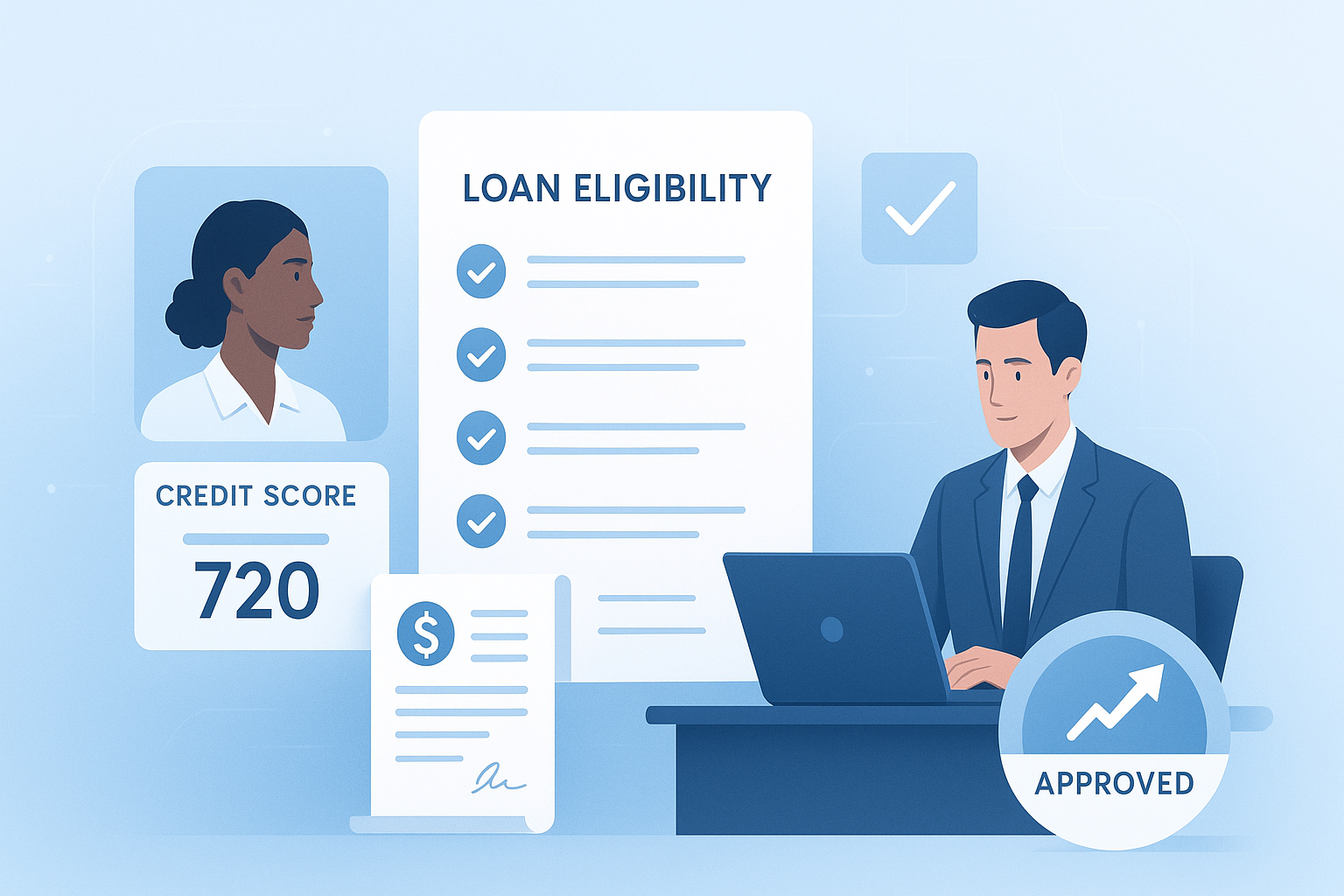
Lenders use your debt-to-income ratio, often called DTI, to measure this.
3. Your down payment
A larger down payment can lower your monthly mortgage payment, reduce interest costs, and sometimes help you avoid private mortgage insurance.
Even a small difference in down payment can shift your affordable price range more than people expect.
4. Your interest rate
The answer depends on one thing many buyers underestimate: the rate. A higher mortgage rate increases your monthly payment fast. That means your buying power can drop even if your income stays the same.
If you want to test different rate scenarios, a mortgage calculator for monthly payment estimates makes this much easier.
5. Other housing costs
Now comes the important part. Principal and interest are not the full housing payment. You may also need to include:
- Property taxes
- Homeowners insurance
- Private mortgage insurance
- HOA fees
- Utilities
- Repairs and maintenance
If you skip these, your budget can look stronger than it really is.
How do lenders calculate home affordability?
Lenders often use debt-to-income ratios as a starting point. While exact limits vary by loan type and lender, the basic idea is simple.
| Measure | What it means | Why it matters |
|---|---|---|
| Front-end ratio | Housing costs compared with gross monthly income | Shows how much income goes to the home payment |
| Back-end ratio | Housing costs plus other debts compared with gross monthly income | Shows overall debt burden |
Many buyers hear rules like 28/36, which means:
- Up to 28% of gross income for housing
- Up to 36% of gross income for total debt
These are common benchmarks, not universal laws. Some loan programs allow higher ratios. Still, just because a lender approves a certain amount does not mean it will feel comfortable for your life.
What is a comfortable mortgage payment?
Here’s what experienced professionals do differently. They do not stop at lender limits. They compare the payment against real monthly living costs.
A comfortable payment usually leaves room for:
- Emergency savings
- Retirement contributions
- Healthcare costs
- Childcare or education expenses
- Travel and personal spending
- Home repairs
- Rising utility bills
If buying a home would force you to stop saving or rely on credit cards for surprise bills, the home is likely too expensive, even if you qualify on paper.
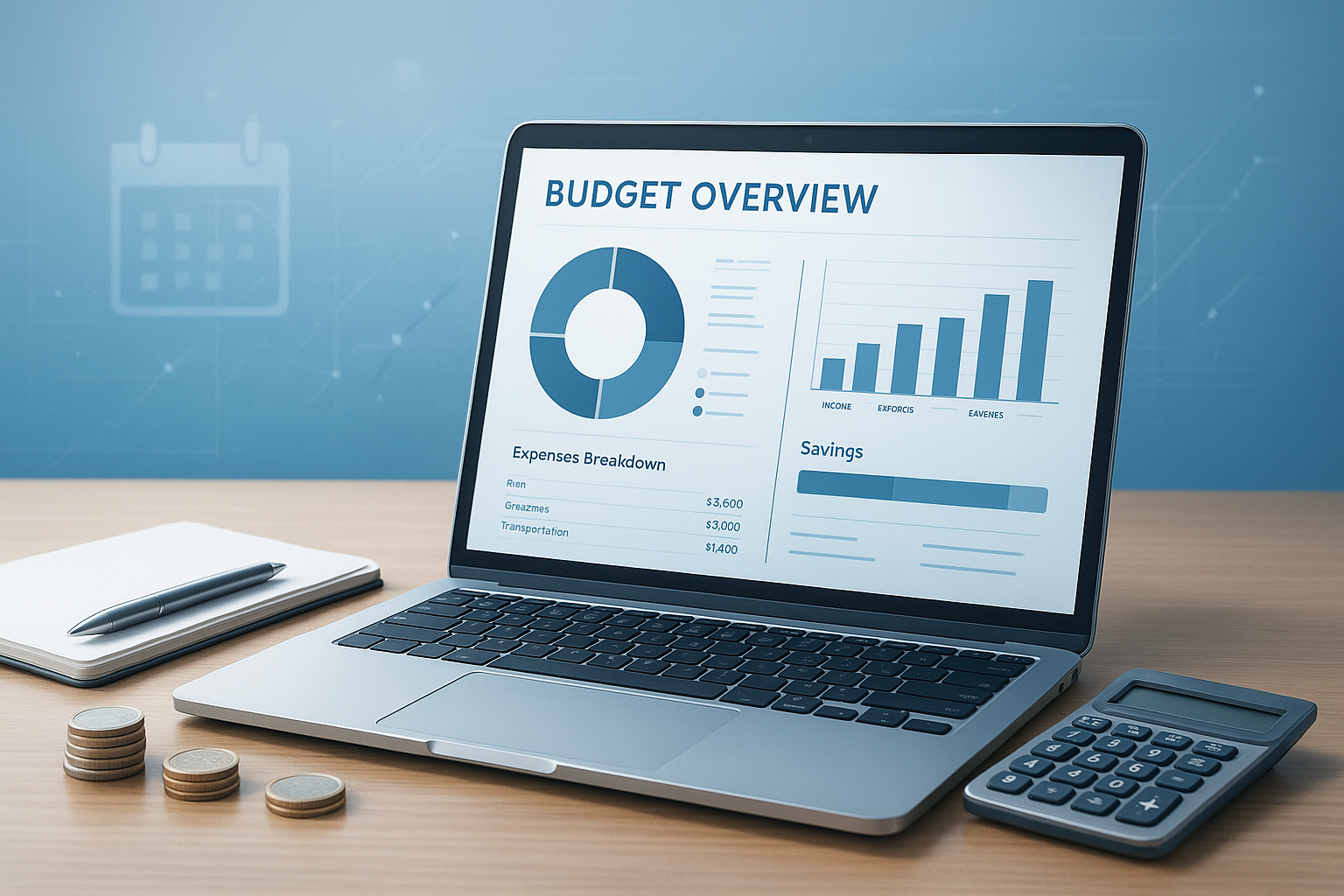
Before choosing a price range, it helps to map your cash flow with a monthly budget planner. This can show what you can truly afford after fixed expenses and savings goals.
How much income do you need to buy a house?
There is no single income number that works for everyone. The required income depends on the home price, down payment, interest rate, taxes, insurance, and debt.
For example, a buyer looking at a $300,000 home may need a very different income depending on these details:
| Scenario | Down Payment | Rate | Other Debt | Affordability Impact |
|---|---|---|---|---|
| Buyer A | 20% | Lower | Low debt | More affordable monthly payment |
| Buyer B | 5% | Higher | Car loan and student loan | Much tighter monthly budget |
Same house price. Completely different financial pressure.
That is why affordability calculators are more useful than broad rules of thumb. They show how your exact numbers change the result.
How do you use a mortgage calculator to estimate affordability?
Using a mortgage calculator is one of the fastest ways to narrow your price range before talking to a lender. It helps you test different home prices and payment scenarios.
Here’s a simple step-by-step process.
- Enter the home price you are considering.
- Add your down payment amount or percentage.
- Choose an estimated interest rate.
- Select the loan term, such as 15 or 30 years.
- Include property taxes and insurance.
- Add HOA fees if the property has them.
- Review the estimated monthly payment.
- Compare that payment with your real monthly budget.
The key is not to run just one number. Test a range.
For example, compare:
- A lower-priced home with a 20% down payment
- A higher-priced home with a 10% down payment
- A 15-year loan versus a 30-year loan
- Current rates versus slightly higher rates
This gives you a realistic affordability window instead of a guess.
What costs should be included in a full mortgage payment?
Many buyers search for the monthly mortgage payment and only look at principal and interest. That number is incomplete.
A more realistic payment often includes PITI:
- Principal
- Interest
- Taxes
- Insurance
It may also include:
- PMI if your down payment is below 20%
- HOA dues
- Flood insurance in some areas
- Maintenance reserve
Here’s a simple comparison.
| Cost Type | Included in many mortgage calculators | Often forgotten by buyers |
|---|---|---|
| Principal and interest | Yes | No |
| Property taxes | Usually | Sometimes |
| Homeowners insurance | Usually | Sometimes |
| PMI | Sometimes | Often |
| HOA fees | Sometimes | Often |
| Maintenance | Rarely | Very often |
That last line matters. Homes need ongoing money. Even newer homes come with repair costs, appliance replacements, and seasonal upkeep.
How does your down payment affect affordability?
Your down payment influences more than the amount borrowed. It affects your monthly payment, loan risk, and sometimes your interest rate.
Here’s why a larger down payment can help:
- You borrow less
- Your monthly payment drops
- You may avoid PMI
- Your DTI may improve
- Your offer may look stronger to sellers
But there is a tradeoff. Putting too much cash into the down payment can leave you short on reserves. A house should not wipe out your emergency fund.
A strong plan usually balances:
- Affordable monthly payments
- Closing costs
- Emergency savings
- Moving expenses
- Immediate repair needs
Should you choose a 15-year or 30-year mortgage?
This is one of the biggest affordability decisions you will make.
| Loan Term | Pros | Cons |
|---|---|---|
| 15-year mortgage | Lower total interest, faster payoff, builds equity quicker | Higher monthly payment |
| 30-year mortgage | Lower monthly payment, more flexibility, easier cash flow | Higher total interest, slower payoff |
If your main goal is keeping the payment manageable, a 30-year loan often gives you more breathing room. If your income is strong and stable, a 15-year loan can save a significant amount in interest.
If you want to see the payment structure over time, a loan amortization calculator helps you understand how much goes toward interest and principal each month.
How does interest rate change your buying power?
This small detail changes everything. Even a modest rate increase can reduce the home price you can comfortably afford.
Let’s say you have a target monthly payment. If rates rise, more of that payment goes to interest. That means the loan amount must shrink unless you increase your down payment.
Buyers often focus on list price and forget that monthly affordability is shaped heavily by rates.
Best practice:
- Run affordability estimates at today’s rate
- Run a second estimate slightly higher
- Leave room in your budget for rate changes until you lock
This keeps you from shopping at the very edge of your comfort zone.
What is the 28/36 rule, and should you follow it?
The 28/36 rule is a traditional guideline for housing affordability.
- Spend no more than 28% of gross monthly income on housing
- Spend no more than 36% of gross monthly income on total debt
It is useful as a starting point. But it is not perfect for every situation.
For example, you may want a stricter target if you:
- Have variable income
- Are planning for children
- Want to save aggressively
- Live in an area with high utility or maintenance costs
You may be able to stretch slightly more if you:
- Have no other debt
- Have large cash reserves
- Have a stable and growing income
The best rule is the one that still works after real life happens.
How can first-time buyers avoid overbuying?
First-time buyers often make the same mistake. They shop based on approval amount, not life affordability.
Here’s what to do instead.
- Set a monthly payment cap before you view homes.
- Include taxes, insurance, and fees in that cap.
- Keep an emergency fund after closing.
- Do not assume future raises will rescue the budget.
- Plan for maintenance from day one.
- Avoid draining all cash for the down payment.
If you are comparing mortgage options with other borrowing decisions, an EMI and loan calculator can help you understand payment differences across loan amounts and terms.
What common mistakes make a house look more affordable than it is?
Let’s look at why buyers get caught off guard.
- Using gross income only and ignoring take-home pay
- Forgetting property taxes and insurance
- Ignoring PMI on low down payment loans
- Not budgeting for repairs and maintenance
- Assuming every month will look the same
- Buying at the top of the approval range
- Not accounting for closing costs
- Overlooking HOA dues
- Failing to stress-test the budget
Here’s a smart test. Ask yourself whether the payment still works if:
- Utility bills rise
- You need a car repair
- One income drops temporarily
- Property taxes increase
- You need to replace an appliance in the first year
If the answer is no, the home may be too expensive.
How can you calculate a safer home budget?
The safest way to answer “how much house can I afford” is to combine affordability math with cash-flow planning.
Use this framework:
- Start with your monthly take-home income.
- Subtract non-housing essentials like food, transport, insurance, and childcare.
- Subtract debt payments.
- Set savings targets for emergencies and retirement.
- Estimate a housing payment that still leaves margin.
- Convert that payment into a home price using a mortgage calculator.
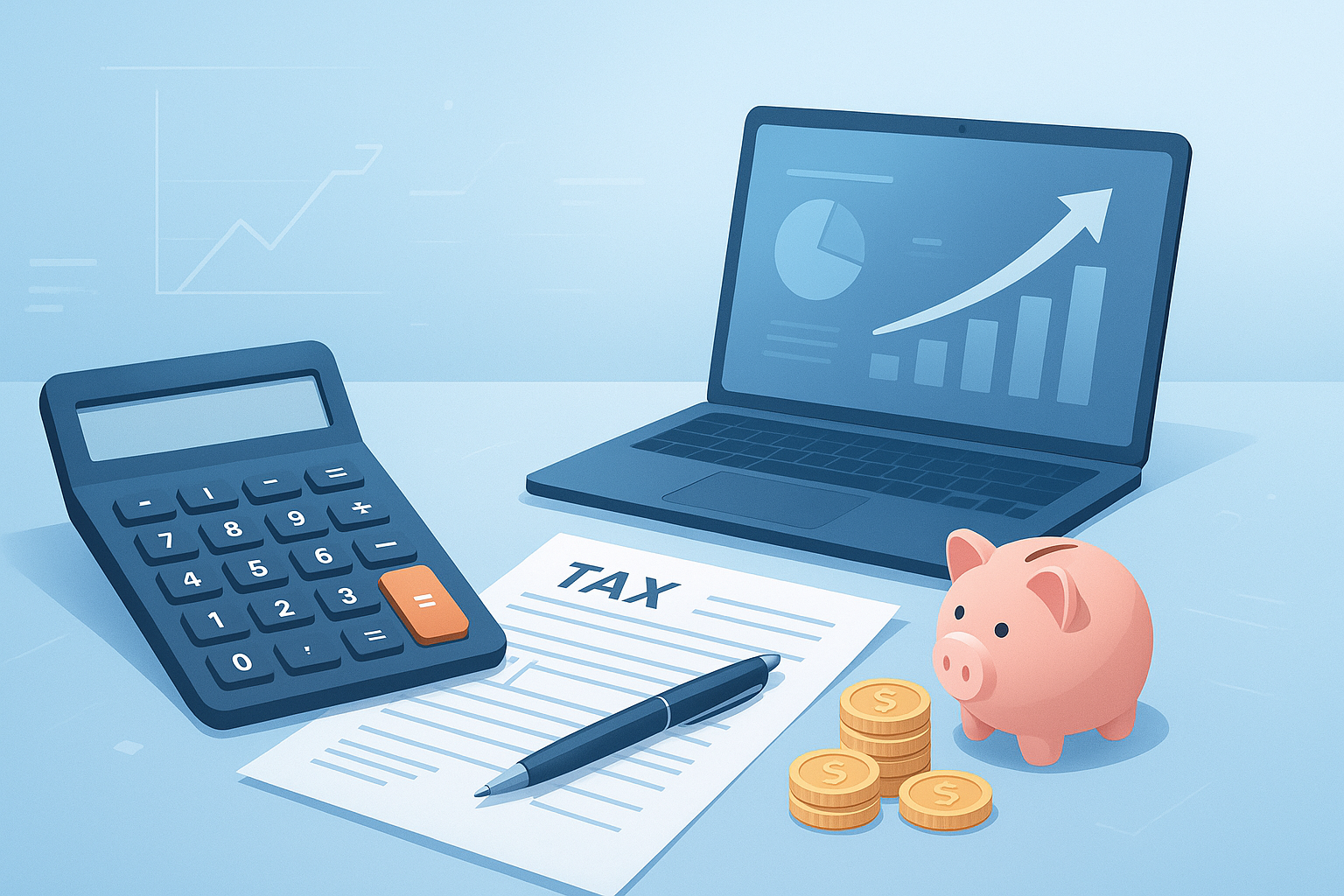
If you want to review how taxes affect your take-home income, a tax calculator for net income planning can make your estimate more realistic.
This method is better than using a broad percentage alone because it reflects your real finances.
Example: how to estimate what house price fits your budget
Suppose your household brings in $6,500 per month after taxes.
Your monthly non-housing numbers look like this:
- Debt payments: $500
- Groceries and essentials: $1,200
- Transportation: $450
- Insurance and healthcare: $400
- Savings goals: $900
- Other regular spending: $650
Total before housing: $4,100
That leaves $2,400. But using all of that for housing would be risky. You may want to keep some of that as monthly breathing room for maintenance, unexpected bills, and price changes.
If you cap housing around $1,800 to $2,000 monthly, you can then run mortgage scenarios to see what purchase price aligns with that payment based on rate, taxes, insurance, and down payment.
That is how experienced buyers back into a safe home price.
What should you do before getting pre-approved?
Pre-approval is useful, but do a few things first.
- Check your credit and correct any errors.
- Estimate your full monthly budget.
- Decide how much cash you can use for down payment and closing costs.
- Run several mortgage scenarios.
- Choose a payment range that feels comfortable, not just possible.
This lets you enter the process with a plan instead of letting the lender set your expectations.
FAQ
How much house can I afford based on my salary?
Your salary is only one part of the equation. Affordability also depends on debt, down payment, interest rate, taxes, insurance, and loan term. A mortgage calculator gives a much more accurate estimate than salary alone.
What percentage of income should go to a mortgage?
Many buyers use the 28% rule for housing costs, but your ideal number depends on your debts, savings goals, and lifestyle. Lower may be safer if your budget is tight or your income varies.
Is it better to buy less house than I qualify for?
In many cases, yes. Buying below your maximum approval can reduce stress, protect your savings, and give you more room for repairs, travel, investing, and emergencies.
Does a bigger down payment always make sense?
Not always. A bigger down payment lowers your loan and payment, but it should not leave you without cash reserves. Balance lower payments with healthy emergency savings.
How do property taxes affect affordability?
Property taxes directly raise your monthly housing cost. In high-tax areas, they can significantly reduce the home price you can comfortably afford.
Should I include HOA fees in my mortgage budget?
Yes. HOA dues are part of your monthly housing cost and can meaningfully affect affordability, especially in condos, townhomes, and planned communities.
How much emergency savings should I have before buying a house?
There is no perfect number, but buyers should ideally keep enough cash for closing costs, moving expenses, and several months of essential expenses after purchase.
Can I afford a house with student loans?
Possibly. Student loans affect your debt-to-income ratio, which can reduce the mortgage amount you qualify for. The key is whether the full payment still fits your monthly budget comfortably.
What is included in a mortgage payment?
A full mortgage payment may include principal, interest, property taxes, homeowners insurance, and sometimes PMI and HOA fees.
How accurate are online mortgage calculators?
They are very useful for planning, especially when you include taxes, insurance, and fees. Still, the final numbers depend on your lender, credit profile, loan terms, and local costs.
Final thoughts
The best answer to “how much house can I afford” is not the biggest number a lender gives you. It is the price range that supports your life after the keys are in your hand.
A smart home budget protects more than your monthly payment. It protects your savings, your flexibility, and your peace of mind.
Run the numbers carefully. Include every housing cost. Test different scenarios. And choose a home price that still feels manageable when life gets expensive, because sometimes it does.