
Do you know where your money goes each month, or do you just hope there is enough left at the end? That one question explains why so many people feel stressed about money even when they earn a decent income.
Here’s the problem. Most people do not fail to save because they are careless. They fail because they do not have a clear system. Bills arrive, small purchases pile up, and savings get pushed to “next month.”
A budget calculator turns vague money habits into real numbers. It shows what you earn, what you spend, and what needs to change. Once you can see the gap, you can fix it.
In this guide, you will learn practical money saving tips with a budget calculator, how to build a budget that works in real life, and the small adjustments that make the biggest difference over time.
What is a budget calculator and why does it matter?
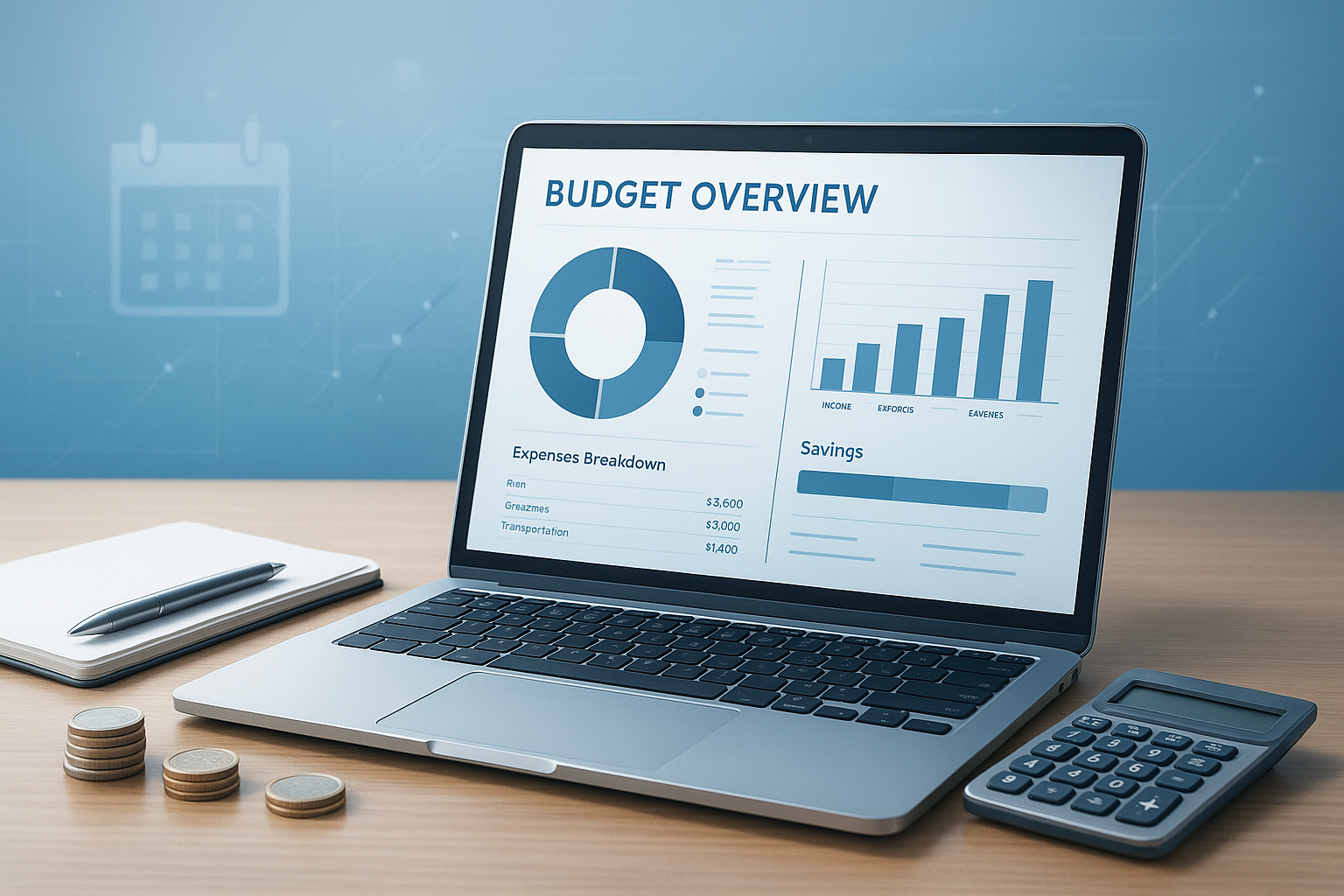
A budget calculator is a simple tool that helps you compare income with expenses. You enter your monthly earnings and spending categories such as rent, groceries, transport, debt payments, and entertainment. The calculator then shows whether you are saving, overspending, or just breaking even.
That sounds basic, but this small detail changes everything. When spending stays in your head, it is easy to underestimate it. When it is written down in one place, patterns become obvious.
A good budget should answer four questions clearly:
- How much money comes in each month?
- How much money goes out?
- Which expenses are fixed and which are flexible?
- How much can be saved or used to pay down debt?
If you want a simple place to start, a budget planner calculator can help you organize all of these numbers without building a spreadsheet from scratch.
Why budgeting is the foundation of saving money
Many people search for money saving tips hoping for a quick trick. Cut coffee. Cancel one subscription. Use coupons. These ideas can help, but they rarely solve the deeper issue.
Let’s look at why. Saving money becomes easier when you know exactly what your spending limits are. Without a plan, every decision feels random. With a budget, each expense has a place.
Budgeting helps you:
- Spot wasteful spending fast
- Prepare for irregular expenses
- Build savings consistently
- Avoid living paycheck to paycheck
- Reduce money anxiety
- Make progress toward financial goals
This is why experienced professionals usually start with the full picture before giving saving advice. If you do not know your current numbers, even the best tip can miss the mark.
How a budget calculator helps you save money
Now comes the important part. A budget calculator does more than total your expenses. It helps you make better decisions.
1. It reveals spending leaks
Small purchases often do the most damage because they are easy to ignore. Daily snacks, delivery fees, app subscriptions, impulse shopping, and ride-share trips can quietly take a large share of your income.
When you categorize spending, these leaks stop being invisible.
2. It gives every dollar a job
Unplanned money usually gets spent. A budget calculator helps you assign income to essentials, savings, debt, and personal spending before the month gets away from you.
3. It makes saving measurable
“I should save more” is not a plan. “I will save $250 per month” is a plan. A calculator helps you test what is realistic.
4. It helps you adjust before problems grow
If your housing cost, food cost, or debt payment is too high, you can catch it early. That gives you time to cut back, refinance, or shift priorities.
How to use a budget calculator step by step
Here’s what experienced professionals do differently. They do not guess. They use actual numbers from bank statements, bills, and receipts.
- List your total monthly income. Include salary, side income, freelance work, rental income, or any regular incoming cash.
- Record fixed expenses. Add rent or mortgage, insurance, loan payments, school fees, phone bills, and internet.
- Estimate variable expenses. Include groceries, transport, fuel, eating out, shopping, utilities, and entertainment.
- Include irregular costs. Add annual subscriptions, car repairs, gifts, holidays, and medical expenses. Divide yearly costs by 12 to get a monthly estimate.
- Set a savings target. Choose a realistic amount for emergency savings, retirement, or a specific goal.
- Compare income and expenses. If expenses are higher than income, you need to cut costs or increase earnings.
- Review and adjust weekly. A budget works best when it becomes a habit, not a one-time exercise.
Best money saving tips you can apply with a budget calculator
The answer depends on one thing: whether your budget shows a small gap or a major problem. Some people only need minor changes. Others need a complete reset. The tips below work for both.
Pay yourself first
Move savings to the top of your budget, not the bottom. Treat saving like a bill that must be paid every month.
Even a small fixed amount builds discipline. If you can automate it, even better.
Separate needs from wants
This sounds obvious, but this is where many people struggle. “Useful” is not always the same as “necessary.” Your budget calculator forces honest decisions.
- Needs: housing, groceries, utilities, transport, insurance, debt minimums
- Wants: premium subscriptions, frequent takeout, non-essential shopping, upgrades, impulse buys
Track your top three problem categories
You do not need to obsess over every dollar. Start by identifying the three categories where you overspend most often. For many households, that is food delivery, online shopping, and transport.
Fixing those categories usually has more impact than cutting tiny expenses.
Use percentages to set spending limits
If you want simple spending rules, use percentages. For example, you might assign a certain percentage to housing, savings, essentials, and personal spending. If you need help checking those ratios, a percentage calculator for budget planning can make the math easier.
Plan for discounts before you buy
Saving money is not only about cutting. It is also about buying smarter. Before big purchases, compare offers and calculate the real savings instead of trusting sale labels. A discount calculator can help you confirm whether a deal is actually worth it.
Review debt costs carefully
Debt can weaken a budget fast, especially if monthly payments are high. Credit cards, personal loans, and financing plans often reduce your ability to save more than you realize.
If you are balancing debt and savings goals, an EMI and loan calculator can help you estimate repayment pressure and see how loan choices affect your monthly budget.
Turn savings into a long-term plan
Short-term budgeting is important, but long-term growth matters too. Once your monthly budget becomes stable, start projecting how regular savings can grow over time. A compound interest calculator is useful for showing how even modest contributions build momentum.
A simple monthly budget example
Let’s break this down with a basic example. Imagine someone earns $3,000 per month after tax.
| Category | Monthly Amount | Notes |
|---|---|---|
| Income | $3,000 | Total take-home pay |
| Rent | $900 | Fixed expense |
| Utilities and Internet | $180 | Mostly fixed |
| Groceries | $350 | Variable but necessary |
| Transport | $200 | Fuel or public transport |
| Debt Payments | $300 | Minimum repayments |
| Insurance | $120 | Health or vehicle |
| Entertainment and Eating Out | $250 | Flexible |
| Subscriptions | $60 | Often overlooked |
| Savings | $300 | Pay yourself first |
| Remaining Buffer | $340 | Can go to extra savings or irregular expenses |
This example shows something important. Saving money does not always require extreme sacrifice. Often, it comes from clarity, planning, and a sensible buffer.
Which budgeting method works best?
There is no single perfect system. The best budgeting method is the one you will actually stick to.
| Method | How It Works | Best For |
|---|---|---|
| 50/30/20 Budget | 50% needs, 30% wants, 20% savings or debt | Beginners who want a simple structure |
| Zero-Based Budget | Every dollar is assigned a purpose | People who want full control |
| Envelope Method | Set limits for spending categories | People who overspend in cash-like categories |
| Priority Budgeting | Fund goals and essentials first | People with irregular income or debt pressure |
If your income changes from month to month, priority budgeting is often the safest option. Cover essentials first, then savings, then flexible spending.
Common budgeting mistakes that stop people from saving
Most budget problems are not caused by bad intentions. They come from unrealistic planning.
- Underestimating variable spending
Groceries, fuel, and social spending often cost more than expected. - Forgetting irregular expenses
Annual renewals, school costs, gifts, and repairs can wreck a budget if they are not planned for. - Setting savings goals too high too soon
Ambitious goals can backfire if they force you to quit after one month. - Ignoring small recurring charges
Subscriptions and auto-renewals are easy to miss. - Not reviewing the budget regularly
A budget should change as your life changes.
How often should you update your budget?
At minimum, review your budget once a month. Weekly is better if you are trying to stop overspending or recover from debt.
Update it when:
- Your income changes
- Your rent or mortgage changes
- You start or finish paying off a loan
- You add a new savings goal
- Your family size changes
- Your transport or utility costs increase
A budget is not a fixed document. It is a working plan.
How to save money on a low income
This is one of the most common questions, and the answer deserves honesty. Budgeting on a low income is harder. Sometimes the issue is not overspending. It is simply that essentials take up too much of your earnings.
Still, a budget calculator can help by showing where pressure is highest.
Focus on these steps:
- Cover core essentials first
- Cut or pause non-essential recurring costs
- Shop with a list and a spending cap
- Build a small emergency fund, even if it starts very small
- Direct extra income from side work straight to savings or debt
- Review housing, transport, and debt, since these usually have the biggest impact
If income is very tight, the goal may not be aggressive saving at first. The first goal may be stability.
Budgeting for families, couples, and individuals
Not every budget looks the same. Your setup should match your household.
For individuals
You have more flexibility, but you also carry all expenses yourself. Watch lifestyle inflation carefully as income grows.
For couples
Agree on shared costs, personal spending limits, and savings goals. Many money conflicts come from different habits, not different incomes.
For families
Plan for irregular costs early. School expenses, health costs, activities, and seasonal spending need their own place in the budget.
Signs your budget is actually working
A successful budget does not mean never spending money on fun. It means your spending matches your priorities.
Your budget is working if:
- You know how much you can spend without guessing
- You save something consistently
- You are less surprised by bills
- You rely less on credit for basic expenses
- You can handle small emergencies without panic
- You feel more in control month after month
Frequently Asked Questions
What is the best budget rule for saving money?
The best rule is the one you can sustain. Many people start with the 50/30/20 method because it is simple, but a zero-based budget often works better if you need tighter control.
How can a budget calculator help me save more?
It shows exactly where your money is going, highlights overspending, and helps you set a realistic savings target based on your actual income and expenses.
How much of my income should I save each month?
There is no universal number. A common target is 10% to 20%, but the right amount depends on your income, debt, living costs, and financial goals.
Should I budget weekly or monthly?
Monthly budgeting gives a full view of bills and income. Weekly check-ins help you stay on track and avoid overspending before the month ends.
What if my expenses are higher than my income?
Start by identifying non-essential spending, reducing variable costs, and reviewing major fixed expenses like housing, transport, and debt. If needed, look for ways to increase income as well.
Can I use a budget calculator if my income changes every month?
Yes. Use your lowest reliable monthly income as the base for essentials, then assign extra income to savings, debt repayment, or upcoming expenses.
What are the biggest money saving mistakes people make?
The most common mistakes are not tracking spending, forgetting irregular costs, setting unrealistic savings targets, and ignoring subscriptions or debt costs.
Is a budget calculator better than a spreadsheet?
It depends on your preference. A budget calculator is usually faster and easier for most people, while spreadsheets offer more customization for advanced tracking.
Final thoughts
Money saving tips only work when they fit your real numbers. That is why a budget calculator is so useful. It replaces guesswork with clarity.
You do not need a perfect budget on day one. You need an honest one. Start with your income, list your expenses, choose a realistic savings goal, and adjust as you go.
Over time, the habit matters more than the tool. But the right tool makes the habit easier to keep. When you can clearly see where your money goes, saving stops feeling impossible and starts feeling manageable.