
Should you keep renting or buy a home with a mortgage? That question sounds simple until you start adding real numbers. Monthly rent might look expensive. A mortgage payment might look similar. But the true cost of each option goes far beyond the number you pay every month.
Here’s the problem. Many people compare rent to only the principal and interest part of a mortgage. They forget property taxes, insurance, maintenance, closing costs, rent increases, and the value of flexibility. That small detail changes everything.
This article breaks down mortgage vs rent in a practical way. You’ll learn how to compare the full cost of both options, when buying saves more, when renting is the smarter move, and how to run your own numbers with tools like a mortgage payment calculator. By the end, you should have a clearer answer based on your finances, not just guesswork.
What does mortgage vs rent really mean?
At its core, mortgage vs rent is a decision between paying for housing in two very different ways.
- Renting means paying a landlord for the right to live in a property for a set period.
- Buying with a mortgage means borrowing money to purchase a home and repaying that loan over time.
Rent is usually simpler in the short term. A mortgage often creates more long-term complexity, but it may also help you build equity.
That said, buying is not automatically better. Renting is not automatically wasting money. The better option depends on your time horizon, local housing market, monthly cash flow, and how stable your life plans are.
Which option saves you more?
The short answer is this: buying often saves more if you stay in the home long enough, buy at a reasonable price, and can comfortably handle the ongoing costs.
Renting often saves more if you need flexibility, live in an expensive market, are not ready for maintenance costs, or may move within a few years.
The answer depends on one thing. You need to compare the total cost of housing, not just the monthly headline number.
How is renting different from owning financially?
Let’s break this down. The biggest difference is how your monthly payment behaves over time.
| Factor | Renting | Buying with a Mortgage |
|---|---|---|
| Monthly payment | Usually fixed until lease renewal | Often stable with a fixed-rate loan, but total housing costs can still rise |
| Upfront cost | Security deposit, first month, moving costs | Down payment, closing costs, inspection, moving costs |
| Maintenance | Usually landlord’s responsibility | Owner pays for repairs and upkeep |
| Equity | None | Builds over time as loan balance falls and value may rise |
| Flexibility | High | Lower, especially in the first few years |
| Risk | Less exposure to market changes | Subject to home prices, interest rates, and repair costs |
Here’s what experienced professionals do differently. They compare both the cash cost and the opportunity cost.
Cash cost is what leaves your bank account. Opportunity cost is what your money could have earned elsewhere if you had invested it instead of using it for a down payment or home repairs.
What costs should you include when comparing mortgage vs rent?
This is where many people struggle. To make a fair comparison, include every major cost on both sides.
Costs of renting
- Monthly rent
- Renter’s insurance
- Parking or building fees
- Utilities not covered by the landlord
- Annual rent increases
- Moving costs if you relocate often
Costs of owning
- Mortgage principal and interest
- Property taxes
- Homeowners insurance
- Private mortgage insurance if required
- HOA fees, if any
- Repairs and maintenance
- Closing costs
- Furniture, appliances, and setup costs
- Selling costs later, including agent fees
If you want to estimate your loan payment accurately, use an EMI and loan calculator before you compare it with rent. That gives you a better monthly baseline.
Why monthly payment comparisons can be misleading
A common situation looks like this:
- Rent: $2,000 per month
- Mortgage principal and interest: $1,850 per month
At first glance, buying seems cheaper.
Now comes the important part. Add:
- Property taxes: $300
- Insurance: $120
- Maintenance reserve: $250
- HOA: $180
Your real monthly housing cost is now $2,700.
That does not mean buying is a bad move. It means the comparison must be honest. Some part of the mortgage payment builds equity. Rent does not. But equity builds slowly at first on many long-term loans, especially with high interest rates.
When does buying a home usually make more sense?
Buying often works better financially under these conditions:
- You plan to stay in the home for at least 5 to 7 years
- You have a solid emergency fund after the down payment
- Your total housing cost fits comfortably within your budget
- You can handle maintenance without going into debt
- Home prices and mortgage terms are reasonable in your area
- You value stability more than flexibility
Why does time matter so much? Because buying comes with large upfront costs. If you move too soon, those costs can wipe out any benefit from building equity.
You can also review how each payment reduces your loan balance over time with a loan amortization calculator. This helps you see how much of your payment goes to interest versus principal in the early years.
When is renting the smarter financial choice?
Renting can be the better move when:
- You may move for work or family in the near future
- You live in a market where home prices are very high compared to rent
- You are still saving for an emergency fund
- You want predictable short-term costs
- You do not want repair or maintenance responsibility
- You can invest the difference instead of overspending on housing
Renting is especially powerful when it protects your cash flow. A lower monthly obligation can free up money for savings, retirement, debt payoff, or other goals.
That only works, however, if you actually save or invest that difference. If lower rent just leads to more spending, the financial advantage may disappear.
How does equity affect the mortgage vs rent decision?
Equity is the part of the home you truly own.
If your home is worth $400,000 and your mortgage balance is $320,000, you have $80,000 in equity. Some of that may come from your down payment. Some may come from loan repayment. Some may come from price appreciation.
This is one of the strongest arguments for buying. Over time, part of your monthly mortgage payment builds ownership instead of going entirely to a landlord.
But let’s look at why equity should not be romanticized:
- Equity is not guaranteed to grow quickly
- Home values can fall
- Selling a home is expensive
- Early mortgage payments are often interest-heavy
- Repairs can eat into your gains
So yes, equity matters. But it should be part of the analysis, not the whole analysis.
How do rent increases compare with fixed mortgages?
This is where buying can become attractive over time.
With renting, your monthly payment can rise every year. In some markets, those increases are mild. In others, they are brutal. A unit that feels affordable today may become difficult in three years.
With a fixed-rate mortgage, the principal and interest portion stays the same. That gives you more payment stability. Still, your total ownership cost can increase because of taxes, insurance, and repairs.
| Housing Cost Trend | Renting | Owning |
|---|---|---|
| Base payment | May increase at lease renewal | Fixed with a fixed-rate mortgage |
| Taxes | Indirectly reflected in future rent | Direct cost to owner |
| Insurance | Low renter’s policy cost | Higher homeowner policy cost |
| Maintenance | Usually minimal direct expense | Can rise significantly over time |
If you expect rents to keep climbing in your city, buying may provide long-term protection. If local home costs are stretched far above rents, renting may remain the better value for years.
What is the break-even point between renting and buying?
The break-even point is the time it takes for buying to become cheaper than renting after accounting for all major costs.
To estimate it, compare:
- Your upfront buying costs
- Your monthly cost difference between owning and renting
- Your expected equity growth
- Your expected home appreciation, if any
- Your future selling costs
Here’s a simple example:
- Down payment and closing costs: $30,000
- Buying costs $400 more per month than renting
- Loan principal reduction and appreciation help offset those costs over time
If appreciation is modest and transaction costs are high, it may take several years before buying pulls ahead. That is why buying for only two or three years often does not work out financially.
How can you compare mortgage vs rent with real numbers?
Here’s a practical step-by-step process you can use.
- Write down your current monthly rent and related expenses.
- Estimate next year’s rent if your lease renews.
- Find a likely home price in your target area.
- Estimate your down payment and closing costs.
- Calculate the monthly mortgage payment.
- Add taxes, insurance, HOA, and maintenance.
- Estimate how long you will stay in the home.
- Consider what your down payment money could earn if invested elsewhere.
- Compare the totals over 5, 7, and 10 years.
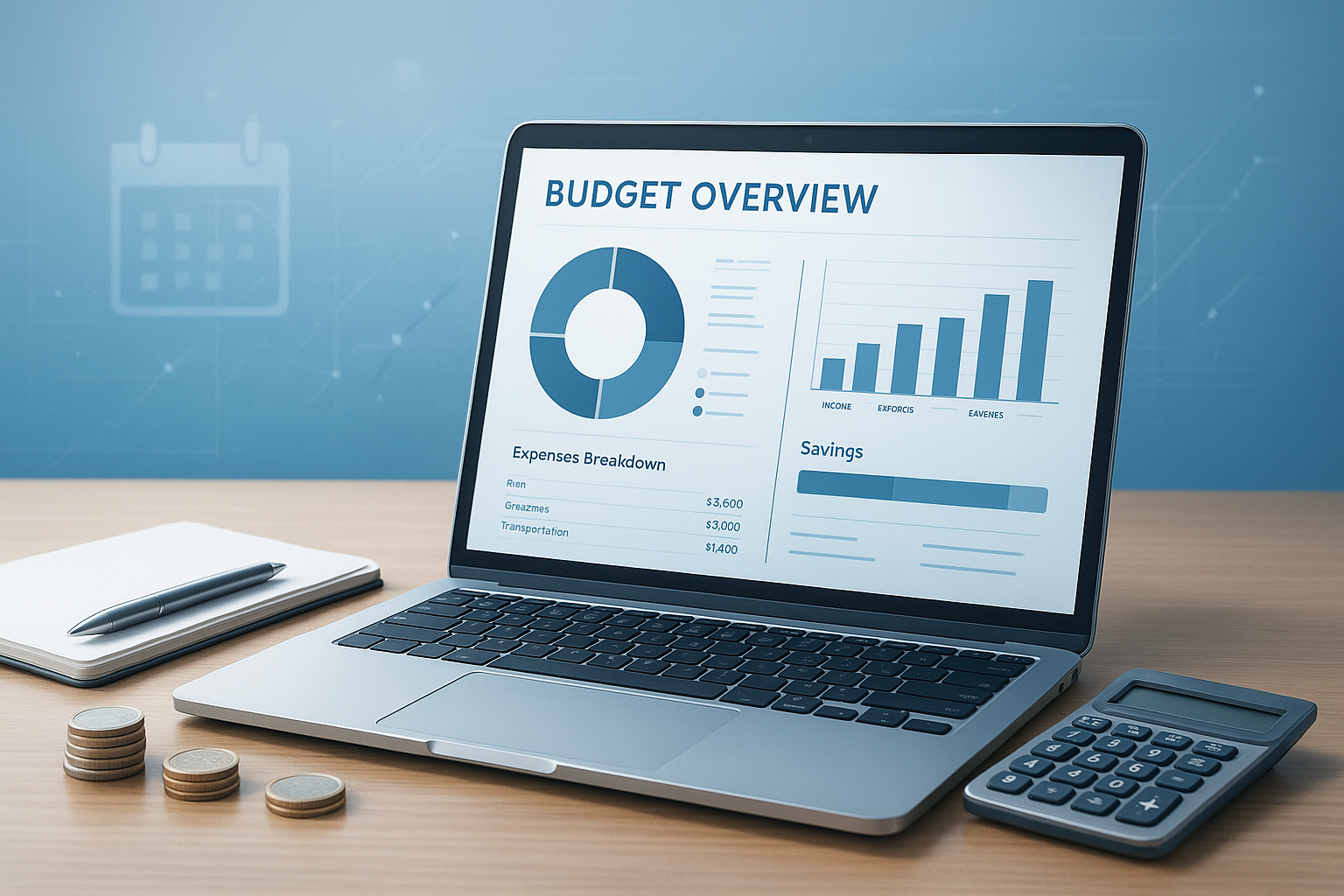
To make this even more realistic, plug your numbers into a monthly budget planner. This helps you see whether homeownership fits your full financial picture, not just your housing line.
What role do interest rates play?
Interest rates can change the answer fast.
When rates are low, more of your mortgage payment goes toward principal over time and your monthly payment is easier to manage. When rates are high, borrowing gets expensive and the cost advantage of buying shrinks.
This small detail changes everything because two buyers purchasing the same home at different rates may have dramatically different monthly costs.
For example:
- A $350,000 loan at 4% looks very different from the same loan at 7%
- The higher-rate buyer may pay hundreds more each month
- That higher payment can delay the break-even point by years
So if you are comparing mortgage vs rent in a high-rate market, you need to run the numbers carefully instead of assuming buying still wins.
Should you invest the difference if renting is cheaper?
Yes, if you are disciplined.
This is one of the best arguments for renting. If your rent is lower than the full cost of owning, you can invest the difference and potentially build wealth without tying money up in a property.
Here’s what experienced professionals do differently. They do not compare renting alone with buying alone. They compare:
- Buying and building home equity
- Renting and investing the monthly savings
If you rent and invest consistently, that money can grow significantly over time. You can estimate future growth with a compound interest calculator.
This matters because a home is only one path to wealth. It is not the only path.
What non-financial factors should you consider?
Money matters, but it is not the whole story.
Sometimes the better choice is obvious on paper but wrong for your life. Other times, the emotional comfort of owning is worth paying a bit more.
Reasons people prefer buying
- More control over the space
- Stable housing situation
- Freedom to renovate or personalize
- Long-term roots in a neighborhood
- Psychological value of ownership
Reasons people prefer renting
- Flexibility to move quickly
- Less responsibility
- No surprise repair bills
- Access to locations that are too expensive to buy in
- Lower upfront cost
If you are likely to relocate, switch careers, or test a new city, renting may save you from a costly mistake. If you want stability for a growing family and can comfortably afford it, buying may fit better.
Common mistakes people make when comparing renting and buying
- Comparing rent only to principal and interest
- Ignoring property taxes and maintenance
- Underestimating moving and closing costs
- Assuming home values always go up
- Buying before building an emergency fund
- Stretching the budget too far just to own
- Forgetting to account for rent increases when staying a renter
- Failing to invest savings when renting is cheaper
The biggest mistake is emotional math. That means making a major housing decision based on pressure, fear, or social expectations instead of your actual numbers.
Quick example: mortgage vs rent in two different situations
| Scenario | Better Fit | Why |
|---|---|---|
| Young professional may move in 2 years | Renting | High flexibility, low transaction risk, avoids short-term ownership costs |
| Family planning to stay 10 years with stable income | Buying | More time to recover upfront costs and build equity |
| High-cost city where mortgage is far above rent | Often renting | Monthly savings may be invested for better overall outcomes |
| Moderate-cost area with rising rents and affordable fixed mortgage | Often buying | Payment stability and long-term ownership can create value |
How do you decide what is right for you?
Ask yourself these questions:
- How long do I expect to stay?
- Can I afford the full cost of homeownership comfortably?
- Do I have emergency savings after the down payment?
- Would I actually invest the savings if I rent?
- How much do I value flexibility?
- What are home prices and rents doing in my local market?
If you can answer these clearly, your decision gets much easier.
If not, pause before making a move. Housing decisions are expensive to reverse.
FAQ
Is renting cheaper than a mortgage?
Sometimes, yes. Rent can be cheaper than the full monthly cost of owning, especially in expensive housing markets. You need to compare rent with mortgage, taxes, insurance, maintenance, and fees together.
Is renting a waste of money?
No. Rent pays for housing, flexibility, and lower responsibility. It only becomes a missed opportunity if owning fits your situation far better and you ignore the numbers.
How long should I stay in a house for buying to make sense?
In many cases, at least 5 to 7 years. The exact break-even point depends on your upfront costs, interest rate, local market, and expected selling costs.
Does a mortgage always build wealth?
No. A mortgage can help build equity, but repairs, interest, taxes, and slow price growth can reduce the financial benefit. Buying builds wealth best when the purchase is affordable and long term.
What if my mortgage payment is lower than rent?
That can be a good sign, but do not stop there. Add taxes, insurance, maintenance, HOA fees, and upfront costs before deciding that buying is cheaper.
Should I buy if I have enough for a down payment?
Not automatically. You also need emergency savings, room in your budget for repairs, and enough time in the home to recover buying and selling costs.
What matters more, monthly cost or long-term value?
Both matter. A lower monthly cost protects your cash flow. Long-term value matters if you plan to stay put and want to build equity over time.
Can renting and investing beat buying?
Yes. If renting costs much less and you consistently invest the difference, renting can outperform buying in some markets and situations.
How do rent increases affect the decision?
Rising rent can make buying more attractive over time, especially if you can lock in a fixed mortgage payment. Still, ownership costs can rise too, so compare the full picture.
What is the safest option financially?
The safest option is the one that keeps your housing costs manageable, preserves your emergency fund, and fits your likely timeline. For some people that is renting. For others it is buying.
Final thoughts
Mortgage vs rent is not really a question of which option is always better. It is a question of which option fits your money, your timeline, and your life.
If you expect to stay put, can afford the real cost of ownership, and want long-term stability, buying may save you more over time. If you need flexibility, live in a high-cost market, or are still building financial security, renting may be the smarter move.
Here’s the best next step. Run the numbers honestly. Include every cost. Compare short-term pressure with long-term value. Then make a decision you can afford comfortably, not one you feel forced into.
That is usually the choice that saves you the most.