
Think retirement planning can wait a few more years? That’s the mistake that quietly makes retirement harder and more expensive than it needs to be.
Most people do not fail at retirement planning because they do not care. They fail because the numbers feel vague. How much is enough? Where should you invest? What happens if inflation rises? And how do you balance retirement savings with loans, taxes, and everyday life?
This updated retirement planning guide for 2026 breaks the process into clear, practical steps. You will learn how to estimate your retirement target, choose sensible savings strategies, manage risk, avoid common mistakes, and use simple tools like a retirement savings planner to turn rough ideas into a working plan.
What is retirement planning, and why does it matter in 2026?
Retirement planning is the process of estimating how much money you will need later in life and building a strategy to reach that number. In 2026, it matters even more because inflation, longer lifespans, healthcare costs, and market volatility can all reduce the buying power of your savings.
Here’s the problem. Many people still treat retirement like a distant event instead of a financial project with deadlines. But retirement planning works best when you start early, review often, and make decisions based on real numbers instead of guesswork.
- It helps you estimate your future monthly expenses
- It shows how long your savings may last
- It helps you choose the right mix of savings and investments
- It reduces the risk of depending entirely on family or debt later in life
- It gives you more flexibility to retire on your terms
For general retirement and savings education, trusted consumer resources from the Consumer Financial Protection Bureau and the U.S. SEC investor education portal are useful places to cross-check core concepts.
How much money do you need to retire comfortably?
The answer depends on one thing first: your expected lifestyle. A comfortable retirement number is not based on age alone. It is based on future spending, inflation, income sources, and how many years your retirement may last.
A simple starting point is to estimate your annual retirement expenses, subtract any expected pension or fixed income, and then calculate how much your investments need to cover. You can test different scenarios with a retirement calculator for future income needs.
Start with these four numbers
- Your current monthly living expenses
- Your expected retirement age
- Your expected lifespan
- Your expected inflation rate
Now comes the important part. Your future spending will almost never match your current spending exactly. Some costs may fall, like commuting or work clothing. Others often rise, especially healthcare, insurance, and home maintenance.
| Factor | How it affects retirement needs |
|---|---|
| Retirement age | Earlier retirement means more years to fund |
| Inflation | Raises future living expenses over time |
| Life expectancy | Longer life increases total savings required |
| Debt | Ongoing loan payments reduce retirement cash flow |
| Healthcare | Can become one of the largest retirement expenses |
Suggested Image: Retirement corpus calculation example with inflation adjustment
When should you start retirement planning?
The best time to start retirement planning is your first earning year. The second-best time is now. Starting early matters because compounding works best when money has time to grow.
This small detail changes everything. A person who starts at 25 may need to invest far less each month than someone who starts at 40 for the same retirement goal. To see how regular investing grows over time, run a few examples with a Compound Interest Calculator.
Why early starters have a major advantage
- They can invest smaller amounts consistently
- They get more benefit from market growth over decades
- They can recover more easily from market downturns
- They usually face less pressure later in life
If you invest monthly, a SIP investment calculator can help you estimate how much a disciplined contribution plan might grow by retirement.
How do you calculate your retirement goal?
A retirement goal is the amount of money you need by the time you stop working. The most practical way to calculate it is to estimate future expenses, adjust them for inflation, and match them against likely income sources and expected portfolio withdrawals.
Let’s break this down into a simple framework.
- Calculate your current monthly expenses
- Remove work-related costs that may disappear after retirement
- Add future costs such as healthcare and travel
- Adjust that number for inflation until your retirement year
- Estimate retirement duration
- Subtract income from pensions, rent, annuities, or other fixed sources
- Use the gap to estimate your required corpus
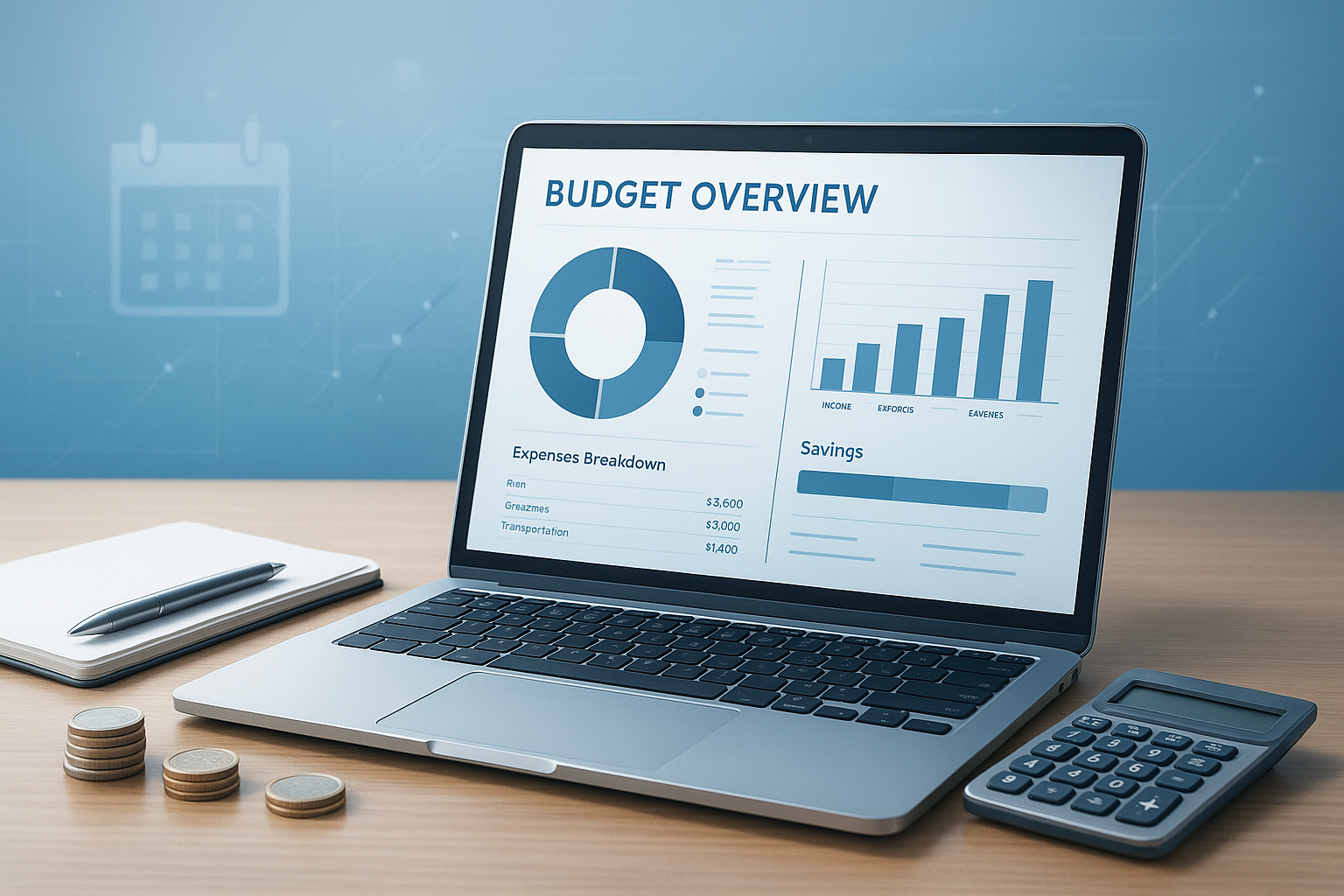
Before making projections, it helps to understand your current cash flow. A monthly budget planner can help you see how much you spend, what can be reduced, and how much you can realistically save.
A quick example
Suppose your current monthly expenses are $3,000. You expect to retire in 25 years. If inflation averages 5 percent, your retirement-year monthly expenses could be much higher than they appear today. That is why using inflation-adjusted calculations is essential.
If you want to estimate how quickly money doubles at a given return rate, the Rule of 72 Calculator offers a useful shortcut for rough planning.
What are the best retirement investment options in 2026?
The best retirement investments in 2026 are usually diversified, goal-based, and matched to your age, risk tolerance, and timeline. Most people need a mix of growth assets and safer holdings rather than one perfect product.
Here’s what experienced planners do differently. They build a portfolio around purpose, not trends. Retirement money should focus on long-term compounding, risk control, and tax efficiency.
Common retirement investment options
- Employer retirement plans
- Individual retirement accounts or similar tax-advantaged accounts
- Index funds and ETFs
- Mutual funds
- Bonds or fixed-income products
- Fixed deposits or recurring deposits for low-risk allocation
- Real estate in some cases
| Option | Best for | Main trade-off |
|---|---|---|
| Index funds | Long-term growth | Market volatility |
| Bonds | Stability and income | Lower long-term returns |
| FDs and RDs | Capital protection | May lag inflation after tax |
| Real estate | Diversification | High cost and low liquidity |
For conservative projections, compare low-risk savings growth using an FD and RD return calculator. For investor education on diversification and risk, the SEC guide to diversification is a reliable reference.
How much should you save for retirement each month?
A practical answer is this: save enough each month so your projected retirement corpus aligns with your target date. For some people, that may be 10 percent of income. For others, it may need to be 20 percent or more.
The right number depends on your age, current savings, expected return, and retirement gap. If you are behind, increasing your savings rate matters more than searching for perfect investments.
A simple way to estimate your monthly contribution
- Set your retirement corpus target
- Subtract your current retirement savings
- Estimate annual return conservatively
- Divide the gap across remaining years
- Review every year and increase contributions when income rises
This is where many people struggle. They focus on one big annual target instead of building a monthly system. A monthly SIP often feels easier to maintain than irregular lump-sum investing. You can model monthly contributions with a systematic investment plan calculator.
How do inflation and taxes affect retirement planning?
Inflation reduces purchasing power, and taxes reduce spendable returns. Together, they can seriously weaken a retirement plan if you ignore them.
Let’s look at why. If your investments grow by 8 percent but inflation is 5 percent and taxes reduce your net return further, your real wealth growth may be much lower than expected. That means your retirement target must be based on real-world returns, not headline returns.
What inflation and taxes change
- Your future monthly expenses rise
- Your required corpus becomes larger
- Your “safe” investments may not stay ahead of inflation
- Your withdrawals may have tax consequences
Before finalizing your estimates, test your net liability with a tax calculator for retirement planning. You can also review tax basics on the IRS retirement plans information page, especially if you are using tax-advantaged retirement accounts.
Suggested Infographic: How inflation and taxes reduce retirement income over 20 years
Should you pay off debt before investing for retirement?
The answer depends on the interest rate, loan type, and your employer benefits. In many cases, you should do both: pay down expensive debt while continuing at least a minimum retirement contribution.
Here’s a simple way to think about it. High-interest debt usually deserves urgent attention. Low-interest debt may be manageable while you keep investing, especially if stopping contributions means missing employer matching or losing years of compounding.
| Debt type | Typical priority | Why |
|---|---|---|
| Credit card debt | Pay off fast | Very high interest can outpace investment returns |
| Personal loan | High priority | Often carries moderate to high rates |
| Mortgage | Balanced approach | Rate may be manageable relative to long-term investing |
If you are comparing debt costs, use an EMI and loan repayment calculator or a mortgage payment calculator to see how monthly obligations affect your retirement savings capacity.
What asset allocation should you use as retirement gets closer?
As retirement approaches, asset allocation usually shifts from aggressive growth toward a more balanced mix of growth, income, and stability. The goal is not to avoid all risk. The goal is to reduce the chance of major losses just before or during retirement.
Now comes the important part. There is no universal percentage that works for everyone. Your allocation should reflect your spending needs, other income sources, health, and comfort with market swings.
General age-based approach
- 20s to 30s: more growth-oriented allocation
- 40s to 50s: balanced growth with rising stability
- Late 50s and beyond: increasing focus on income, liquidity, and risk management
This is a planning principle, not a fixed rule. Someone with a pension may invest differently from someone relying entirely on personal savings.
What are the most common retirement planning mistakes?
The most common retirement mistakes are starting late, underestimating inflation, saving inconsistently, taking too much risk, and assuming expenses will drop sharply after retirement.
Here’s the problem. Small assumptions made today can create large shortfalls later. Retirement planning usually fails gradually, not suddenly.
Retirement mistakes to avoid in 2026
- Delaying retirement savings because “there is still time”
- Ignoring inflation in long-term planning
- Keeping too much money in low-growth products for decades
- Taking on new debt close to retirement
- Skipping annual portfolio reviews
- Withdrawing retirement funds early
- Overestimating future returns
- Not planning for healthcare and emergency costs
If you are not sure where your plan stands, begin with your budget, debt, and timeline. Even a basic review can reveal the biggest risks first.
How often should you review your retirement plan?
You should review your retirement plan at least once a year and after any major life event. That includes job changes, marriage, divorce, children, inheritance, serious illness, or a large increase in debt or income.
A good annual review helps you update assumptions, rebalance investments, increase contributions, and confirm whether your target retirement age still makes sense.
What to check during a yearly review
- Current retirement balance
- Monthly contribution amount
- Asset allocation and risk exposure
- Debt levels and repayment progress
- Tax efficiency
- Emergency fund strength
- Retirement age assumptions
- Inflation and return assumptions
If you need to confirm your timeline precisely, an age and retirement timeline calculator can help you map the years left until your target retirement date.
Example retirement planning roadmap for 2026
A strong retirement plan does not need to be complicated. It needs to be realistic, measurable, and easy to maintain. The roadmap below works well for beginners and also helps experienced savers spot gaps.
- List your current monthly expenses and annual income
- Use a budget tool to find your current savings capacity
- Estimate your retirement age and expected retirement duration
- Project future expenses after inflation
- Set a target retirement corpus
- Choose a monthly savings amount
- Select a diversified investment approach
- Reduce high-interest debt
- Review taxes and account structure
- Revisit the plan every year
Suggested Screenshot: Retirement calculator inputs and projected corpus output
Frequently asked questions about retirement planning
1. How much should I have saved for retirement by age 30?
There is no perfect universal target, but many planners suggest aiming for roughly one times your annual salary by age 30 as a broad checkpoint. What matters more is your savings habit, contribution rate, and future earning potential. If you are below that mark, do not panic. Increase your monthly investing, cut unnecessary expenses, and review your retirement timeline. A consistent plan started now can still make a major difference.
2. Is it too late to start retirement planning at 40 or 50?
No, but the strategy needs more urgency. Starting later usually means higher monthly contributions, a clearer budget, and stricter debt management. You may also need to adjust your expected retirement age or spending goals. The key is to stop delaying and build a practical plan based on your real numbers. Even 10 to 20 years of focused investing can improve retirement security significantly.
3. What is the best retirement planning strategy for beginners?
The best beginner strategy is simple: understand your expenses, set a retirement age goal, save a fixed amount every month, and invest consistently in diversified long-term assets. Avoid chasing hot products or trying to time the market. Start with budgeting, emergency savings, debt control, and regular contributions. Then review once a year. A basic plan followed consistently beats a complex plan you rarely maintain.
4. How does inflation affect retirement savings?
Inflation increases the cost of future living, which means the amount that feels adequate today may fall far short in retirement. For example, the same monthly lifestyle can cost much more 20 or 30 years from now. That is why retirement planning should always use inflation-adjusted estimates. If your investments do not grow faster than inflation over time, your purchasing power may shrink even when your account balance rises.
5. Should I invest or pay off loans first?
Usually both, but the balance depends on interest rates. High-interest loans often deserve priority because they can grow faster than your investments. At the same time, stopping all retirement investing can cost you valuable compounding years. A common approach is to keep contributing to retirement while aggressively paying down expensive debt. Lower-interest loans, such as some mortgages, may allow a more balanced strategy.
6. How often should I rebalance my retirement portfolio?
Once or twice a year is enough for many people. Rebalancing means bringing your portfolio back to its intended asset mix after markets move. It helps control risk and prevents one asset class from becoming too large. You should also rebalance after major life changes or when your target retirement date gets much closer. The point is not constant adjustment. The point is disciplined risk management.
7. Are fixed deposits enough for retirement planning?
Fixed deposits can play a role in retirement planning, especially for capital protection and short-term stability, but they are rarely enough on their own for long retirements. The main issue is that after tax and inflation, their real return may be limited. For long-term retirement goals, many people need at least some exposure to growth assets. A blended portfolio usually works better than relying only on low-yield options.
8. What is the safest withdrawal strategy in retirement?
There is no single safest strategy for everyone, but a conservative and flexible withdrawal plan often works best. Many retirees use a sustainable withdrawal rate, adjust spending during weak market years, and keep some money in safer assets for near-term needs. The right approach depends on market returns, inflation, health costs, and other income sources. Flexibility is often more important than following one fixed percentage forever.
9. Do I need a separate emergency fund if I am saving for retirement?
Yes. Retirement accounts and long-term investments should not be your first line of defense for everyday emergencies. Without an emergency fund, you may be forced to sell investments at the wrong time or withdraw retirement money early. A separate cash reserve helps protect your long-term plan. It also makes it easier to stay invested during market downturns or unexpected income disruptions.
10. How do I know if I am on track for retirement?
You are likely on track if your projected retirement corpus, current contribution rate, expected returns, and timeline align with your future spending needs. The most reliable way to check is to run an annual projection using realistic assumptions for inflation, taxes, and investment returns. If there is a shortfall, adjust one or more levers: save more, retire later, spend less, or improve your investment mix.
Final thoughts
Retirement planning in 2026 is not about predicting the future perfectly. It is about making better decisions with the information you have today.
Start with your expenses. Estimate your retirement target. Save consistently. Invest with a long-term view. Keep debt under control. Review your plan every year.
If you want to take the next practical step, begin with a retirement savings planner, check your current spending with a budget calculator, and test growth scenarios with a compound interest calculator. A clear retirement plan usually begins with a few honest numbers and one decision to stop guessing.