
Most medical teams know case studies work. The problem is that creating them takes time few clinics, hospitals, and healthcare marketers actually have.
That’s where an AI case study generator medical teams can use becomes practical. Instead of starting with a blank page, you can turn patient success data, treatment details, and operational outcomes into a clear draft in minutes. The catch is simple: in healthcare, speed only helps if accuracy, privacy, and compliance stay intact.
This article explains how an AI case study generator for medical practices works, where it helps most, what risks to watch for, and how to use it well in 2026. You’ll also see examples, a simple workflow, and the standards experienced healthcare teams follow before anything gets published.
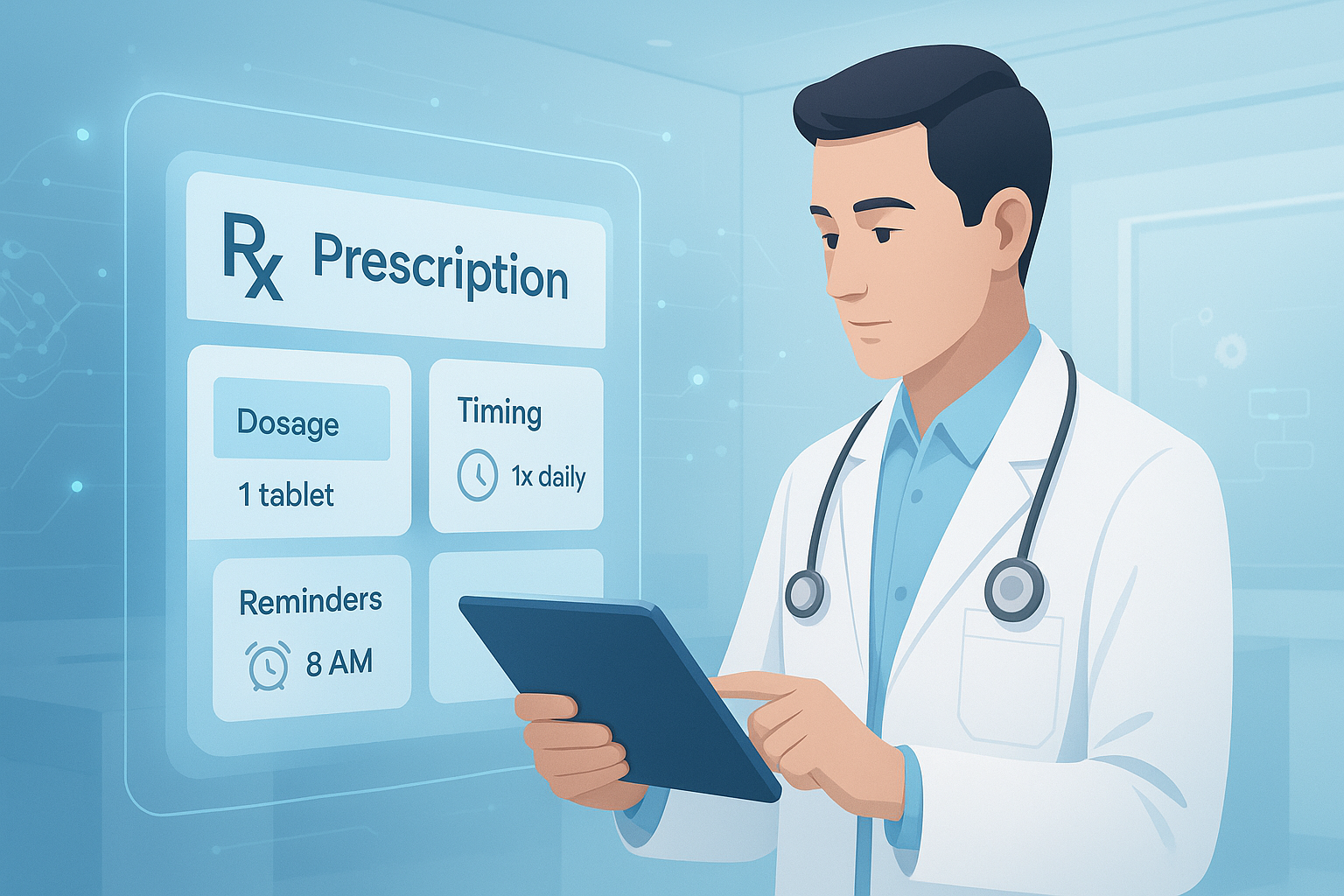
Suggested Image: Technology concept showing AI-assisted healthcare content workflow on a clinical dashboard
What is an AI case study generator for medical practices?
An AI case study generator for medical practices is a writing tool that turns structured inputs into a readable case study draft. Those inputs may include diagnosis details, treatment timelines, outcomes, patient demographics, clinician notes, and business results such as lead generation or appointment growth.
In simple terms, it helps healthcare teams organize facts, shape the story, and create a first draft faster. It does not replace clinical judgment, legal review, or patient consent requirements.
- Clinics use it to draft patient success stories
- Medical marketers use it to create website, ad, and brochure content
- Healthcare consultants use it to present operational improvements
- Device or software vendors use it to explain implementation results
If your team also creates other health content, tools like the AI Paragraph Generator can help expand short notes into clearer supporting copy for landing pages, emails, or outreach materials.
Why medical case studies are hard to write manually
Medical case studies involve more than good writing. They require precision, context, and careful filtering of sensitive information. That mix is exactly why many healthcare organizations delay publishing them.
Here’s the problem. A strong case study has to do several things at once:
- Explain the patient or practice challenge clearly
- Describe the intervention accurately
- Present measurable outcomes
- Protect private health information
- Sound credible to both professionals and non-experts
- Meet brand, legal, and compliance expectations
This is where many people struggle. A physician may know the details but not have time to write. A marketer may write well but need help translating clinical language. An AI generator can bridge that gap, especially when paired with an editing workflow and a clear review checklist.
For teams repurposing long case summaries into concise web copy, the AI Text Summarizer can make it easier to condense source material before drafting.
How an AI case study generator medical workflow usually works
The process is straightforward when the inputs are clean. The tool takes your notes, identifies structure, and produces a draft with sections such as background, challenge, intervention, outcome, and takeaway.
- Collect the source details
Gather clinician notes, patient or client consent status, metrics, timeline, and approved claims. - Remove sensitive information
Before entering anything into a tool, delete direct identifiers and limit data to what is truly necessary. - Choose the case study angle
Decide whether the story is clinical, operational, financial, educational, or marketing-focused. - Generate a first draft
Use the AI tool to create a readable structure with plain-language transitions. - Review for medical accuracy
A qualified reviewer should verify terms, treatment sequence, outcomes, and claims. - Check compliance and consent
Confirm that the final version aligns with internal policies and relevant privacy rules. - Edit for audience fit
Adapt the tone for patients, referring providers, administrators, or business buyers.
Suggested Screenshot: Example workflow showing medical inputs, AI draft output, and human review checkpoints
Where AI case study generators help medical businesses most
Not every healthcare organization uses case studies the same way. The answer depends on one thing: who the reader is and what action you want them to take.
Private practices and clinics
Clinics often use case studies to build trust. A dermatology office may show treatment progress. A dental practice may explain a smile restoration plan. A physical therapy clinic may highlight recovery milestones and patient adherence.
Hospitals and specialty centers
Larger organizations often need more formal, evidence-based stories. These can support physician reputation, service line promotion, donor communication, or employer partnerships.
Healthcare SaaS and medical technology companies
These businesses rely on case studies to show implementation results, workflow savings, reduced errors, or improved patient experience. In those cases, the “subject” may be a clinic or health system rather than a single patient.
Agencies and in-house healthcare marketers
Marketing teams need scalable content. AI helps turn interviews, call transcripts, or survey responses into publication-ready drafts faster. If you’re cleaning up rough interview text, the AI Sentence Rewriter can help make technical explanations easier to read without losing meaning.
Benefits of using AI for medical case studies
Used carefully, AI can improve speed, consistency, and content output. The value is real, but only when teams understand both the upside and the limits.
| Benefit | Why It Matters |
|---|---|
| Faster drafting | Reduces time spent building a first version from scratch |
| Better structure | Keeps case studies organized and easier to scan |
| Consistency across teams | Helps maintain similar quality across locations, specialties, or campaigns |
| Plain-language adaptation | Makes clinical information more understandable for non-medical readers |
| Content repurposing | One approved case can support web pages, brochures, emails, and presentations |
Now comes the important part. AI is strongest at patterning and formatting information. It is not strongest at validating medical truth, judging nuance, or knowing whether a claim crosses a compliance line.
The biggest risks and limitations
An AI case study generator medical teams use should never be treated like an autopilot publishing system. In healthcare, even small mistakes can damage trust or create legal risk.
- Privacy risk: Sensitive patient information may be exposed if teams upload raw records or identifiable details.
- Hallucination risk: The model may invent supporting details, outcomes, or transitions that were never provided.
- Compliance risk: Marketing language may overstate benefits or imply guarantees.
- Clinical oversimplification: Complex conditions may be reduced to a neat story that misses important nuance.
- Tone mismatch: Some generated content can sound too promotional for healthcare contexts.
For privacy expectations in the United States, healthcare teams should understand the basics of HIPAA from the U.S. Department of Health and Human Services. If the content discusses medical products or treatment claims, it is also useful to review relevant guidance from the U.S. Food and Drug Administration.
Best practices for safe and accurate use
Here’s what experienced professionals do differently. They build a process around the tool instead of relying on the tool to create the process.
- Use de-identified inputs whenever possible
Remove names, birth dates, addresses, record numbers, and unnecessary location details. - Work from approved facts only
Feed the system documented outcomes, not assumptions or informal recollections. - Require human review by subject matter experts
A medical reviewer should check terminology, causation, and outcome language. - Separate drafting from publishing
No AI draft should go live without compliance and editorial approval. - Document patient consent
If the case study involves a real patient story, keep written authorization and note exactly what can be shared. - Avoid exaggerated phrasing
Words like “cure,” “guaranteed,” or “breakthrough” may be risky or misleading depending on context.
For general health communication quality, the CDC’s health literacy guidance is a strong reference. It helps teams write more clearly for patients and families without dumbing down important details.
If your workflow includes converting notes into structured drafts, the AI Outline Generator can help map the story before the full case study is written.
What to include in a strong medical case study
A useful case study is factual, readable, and complete enough to be trustworthy. The exact format may vary, but most high-performing healthcare case studies include the same core elements.
- Context: Who or what was involved, in a privacy-safe way
- Initial challenge: Symptoms, operational problem, or treatment barrier
- Assessment: How the issue was identified or evaluated
- Intervention: Treatment plan, service, device, or workflow change
- Timeline: Key steps in chronological order
- Outcome: Measurable results with dates or percentages when relevant
- Clinical or business takeaway: Why the case matters
This small detail changes everything: measurable outcomes make the story believable. Instead of saying “the patient improved,” say “pain scores dropped from 8/10 to 3/10 over six weeks,” if that claim is documented and approved for use.
Medical case study vs testimonial vs research report
These formats often get mixed together. They are not the same, and the difference affects both compliance and reader expectations.
| Format | Primary Purpose | Best Use Case |
|---|---|---|
| Medical case study | Explain a real scenario with context, action, and outcome | Practice websites, healthcare marketing, educational content |
| Testimonial | Share a patient or client opinion or experience | Trust-building on sales pages or brochures |
| Research report | Present formal evidence, methods, and findings | Academic, scientific, or institutional publication |
If your team needs supporting copy around a patient quote or condensed findings, the AI Content Generator can help create additional on-page content around the main case study.
A practical template you can use
Let’s break this down. If you want consistent output from an AI tool, start with a clear prompt structure and clean inputs.
Simple input template
- Type of organization or specialty
- Audience: patients, providers, buyers, or administrators
- Privacy-safe description of the case
- Primary challenge or presenting issue
- Assessment or diagnostic summary
- Intervention or service provided
- Timeline and milestones
- Documented outcomes
- Desired tone: educational, clinical, plain-language, or executive
- Required disclaimer or compliance note
Example prompt structure
Create a plain-language medical case study for a [specialty] clinic. Audience is [target audience]. Use this approved information only: [insert de-identified facts]. Organize the piece with sections for challenge, evaluation, treatment, outcome, and key takeaway. Do not invent details. Avoid exaggerated claims. Keep the tone professional and easy to understand.
After generation, review every number, timeline detail, and clinical statement manually. If you need cleaner style or stronger readability after drafting, the Grammar Checker can help catch issues before final editorial review.
How to optimize medical case studies for SEO and AI search
A good case study should be easy for both people and search engines to understand. That does not mean stuffing keywords. It means making the page clear, useful, and well-structured.
- Use a specific title that reflects the case and specialty
- Write a short summary near the top
- Break sections into obvious headings
- Include medically accurate plain-language explanations
- Add outcome data where approved
- Answer likely reader questions directly
- Use descriptive image alt text if visuals are added
- Link to relevant service pages and educational resources naturally
For search visibility best practices, review the Google helpful content guidance and Google Article structured data documentation. These resources help content teams build pages that are easier to interpret in search results and AI summaries.
Medical case studies can also perform better when paired with high-quality page assets. If your team needs lighter web images for faster load times, the Image Compressor is useful before publishing screenshots or before-and-after visuals.
Common mistakes medical teams make with AI-generated case studies
Most problems happen after the draft is produced, not during generation. Teams assume the hard part is done when the writing appears polished. That’s often when errors slip through.
- Publishing without medical review
- Including identifiable patient details by accident
- Using vague claims with no documented outcome data
- Letting AI invent connective facts between timeline steps
- Writing for everyone instead of one clear audience
- Making the story sound promotional rather than informative
- Failing to obtain or document proper authorization
For quality standards in health information, the National Institutes of Health and the World Health Organization remain useful references for terminology, plain explanations, and evidence-oriented communication.
Example scenarios: where AI saves time without lowering quality
Used properly, AI can remove busywork while leaving clinical and compliance decisions to people. That’s the right balance.
Scenario 1: Multi-location dental group
A regional dental group collects dozens of patient success stories every quarter. Before AI, the marketing coordinator spent hours turning fragmented notes into publishable drafts. With a generator, each case starts from the same structure, then the clinical lead reviews outcomes and treatment wording before approval.
Scenario 2: Physical therapy clinic
A therapist documents a patient’s mobility gains across eight weeks. The clinic uses AI to create a patient-friendly recovery story from approved measurements and milestone notes. The final version becomes a website article and referral leave-behind.
Scenario 3: Healthcare software company
A medical SaaS vendor interviews a clinic administrator about reduced paperwork and faster scheduling after implementation. AI converts the transcript into a business-focused case study, while the customer success team checks every operational metric before publishing.
How to choose the right AI case study generator for healthcare
The best tool is not always the one with the most features. It’s the one that fits your privacy standards, review workflow, and output needs.
| Selection Factor | Why It Matters |
|---|---|
| Input control | You need the ability to guide structure and restrict invented details |
| Editing flexibility | Healthcare content often needs tone, reading level, and audience adjustments |
| Privacy practices | Medical teams must think carefully about what data enters any third-party tool |
| Output consistency | The tool should create repeatable drafts across specialties and locations |
| Human review compatibility | Generated content should be easy for clinicians and editors to verify quickly |
If you’re also preparing downloadable handouts or print-ready versions, a workflow that includes clean formatting matters. Tools such as the Word Counter can help keep web and brochure versions within practical length limits.
Frequently Asked Questions
Can AI write a medical case study on its own?
AI can create a strong first draft, but it should not work alone. Medical case studies need human review for clinical accuracy, privacy protection, authorization, and compliance. The safest use of AI is as a drafting assistant, not a final publisher. It can speed up structure and readability, but experts still need to verify every factual claim and remove anything inappropriate for public use.
Is it safe to put patient information into an AI case study generator?
Only if your organization has carefully evaluated the tool and the information being shared. In most cases, teams should avoid entering identifiable patient information unless they have a compliant process and legal approval. A better approach is to de-identify the case first, use only the minimum details needed, and keep a strict review workflow before publishing anything externally.
What makes a medical case study effective for marketing?
An effective medical case study is specific, believable, and easy to follow. It explains the challenge, the intervention, and the outcome without sounding exaggerated. The strongest examples use approved metrics, plain language, and a clear audience focus. A case study written for prospective patients will look different from one intended for referring physicians or healthcare buyers, so purpose matters.
How is a medical case study different from a patient testimonial?
A patient testimonial is usually personal and opinion-based. A medical case study is more structured and fact-based. It explains what happened, why it mattered, what action was taken, and what measurable result followed. Testimonials are useful for emotional trust. Case studies are better when you need context, process, and evidence. Many healthcare businesses use both, but they should not be treated as interchangeable formats.
Should small clinics use AI for case studies?
Yes, if they use it carefully. Small clinics often benefit the most because they have limited time and small marketing teams. AI helps by turning notes into a polished starting point quickly. That said, small practices must still follow the same rules on consent, privacy, and claim accuracy as larger organizations. The tool saves time, but the practice remains responsible for the final content.
What type of data should be included in a medical case study?
Include only approved, relevant, privacy-safe information. Good examples are the presenting issue, treatment approach, timeline, and documented outcomes. When possible, use measurable data such as pain reduction, mobility improvement, appointment adherence, or operational gains. Avoid adding unnecessary personal details or unsupported claims. The goal is to be informative and credible, not dramatic.
Can AI-generated medical case studies rank in Google?
Yes, but ranking depends on quality, not the drafting method. Search engines reward helpful, trustworthy content that is well-structured and clearly written. A case study can rank if it answers real questions, includes useful detail, matches search intent, and has been reviewed for accuracy. Thin, generic, or unverified AI drafts are much less likely to perform well in search or AI overviews.
What is the best workflow after generating the draft?
The best workflow is review in layers. Start with an editorial check for clarity and tone. Then do a subject matter review for medical accuracy. After that, complete a privacy and compliance check, confirm consent or authorization, and only then publish. This sequence is practical because it catches readability issues early while reserving specialist review for the content that is most likely to go live.
Final thoughts
An AI case study generator medical practices use can save serious time, especially when teams need to turn complex healthcare details into clear, trustworthy stories. But speed is only useful when accuracy, privacy, and review standards stay in place.
The smart approach is simple: de-identify your inputs, generate a structured draft, verify every claim, and publish only after proper approval. Done well, AI helps clinics, healthcare marketers, and medical businesses produce case studies that are easier to create and more useful to readers.
As a next step, build a basic workflow and test one approved case using supporting tools like the AI Case Study Generator for Medical Practices, AI Outline Generator, Grammar Checker, and Image Compressor. That combination can help your team move from scattered notes to a publishable healthcare case study with fewer delays and better consistency.