
Are you close to retirement and still unsure whether you are actually ready? That feeling is more common than most people admit. Many people spend years saving, but far less time planning how retirement will really work once the paycheck stops.
Here’s the problem. Retirement is not just about hitting a number. It is about turning your savings into a steady lifestyle, handling healthcare, reducing tax surprises, and making smart decisions before deadlines lock in.
This retirement checklist walks you through the essential steps before you retire. You will learn what to review, what to update, what to avoid, and how to make the transition with more confidence and less stress.
What is a retirement checklist?
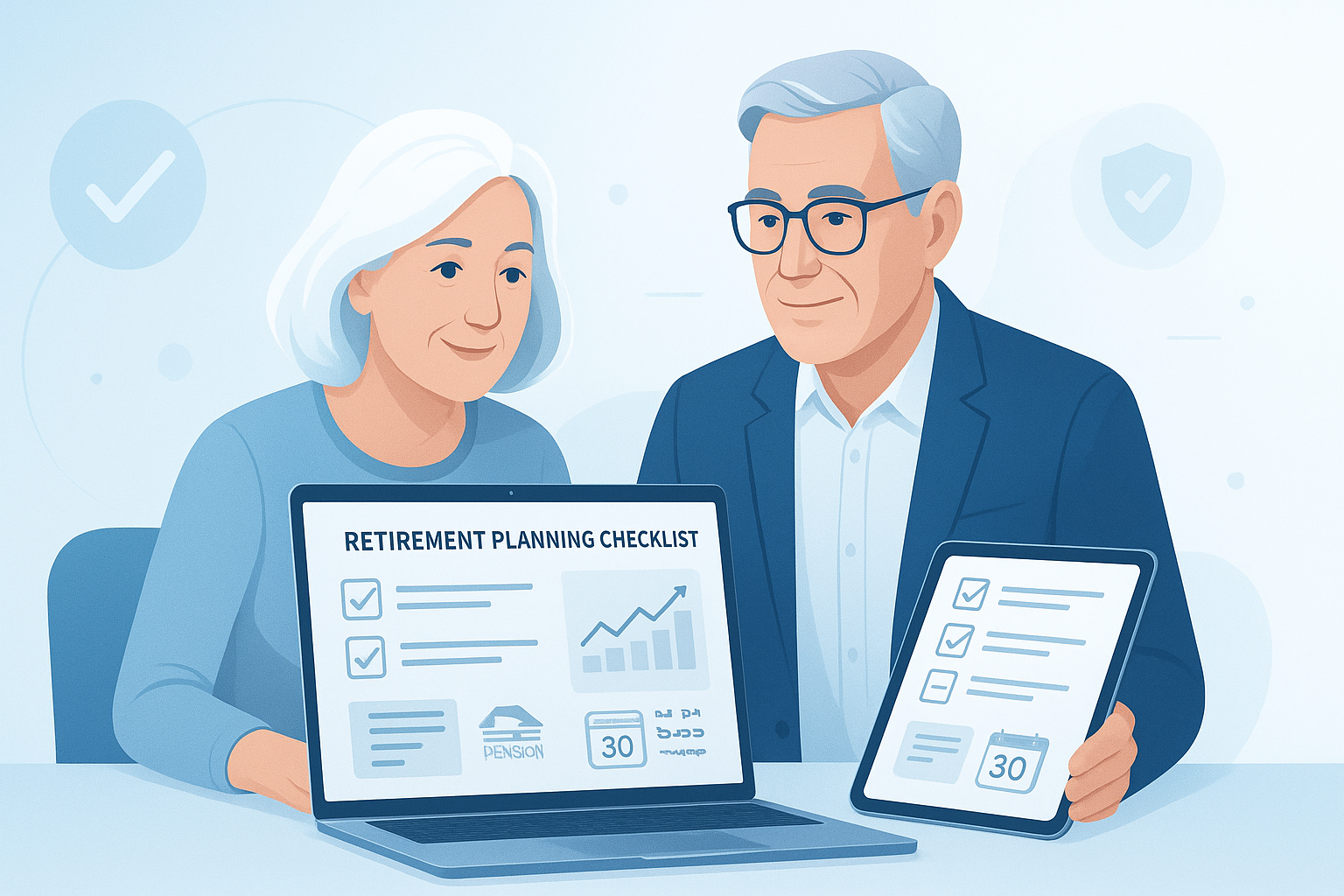
A retirement checklist is a step-by-step guide that helps you prepare financially, legally, and personally for life after full-time work. It helps you answer practical questions such as:
- Do I have enough money to retire?
- What will my monthly spending look like?
- When should I claim retirement benefits?
- How will taxes affect my withdrawals?
- What paperwork should I update?
- What will I do with my time after retiring?
This small detail changes everything. Retirement planning is not only about building wealth. It is also about managing withdrawals, protecting your health, and making sure your money supports the life you want.
Retirement checklist: essential steps before you retire
1. Decide what retirement really looks like for you
Before you review numbers, define the life you are planning for. Retirement means different things to different people. Some want to travel. Some plan to downsize. Others want part-time work, family time, or a slower routine close to home.
Start with a few simple questions:
- At what age do you want to retire?
- Will you stop working fully or reduce hours gradually?
- Where will you live?
- Do you expect your spending to rise, fall, or stay about the same?
- What activities will fill your time?
The clearer this picture becomes, the easier it is to estimate your future costs and make realistic decisions.
2. Estimate how much income you will need every month
This is where many people struggle. They know how much they have saved, but not how much they will actually need. A retirement plan without a spending estimate is only half done.
Break your expected costs into categories:
- Housing
- Utilities
- Food
- Healthcare
- Transportation
- Insurance
- Travel and hobbies
- Debt payments
- Support for family members
- Emergency expenses
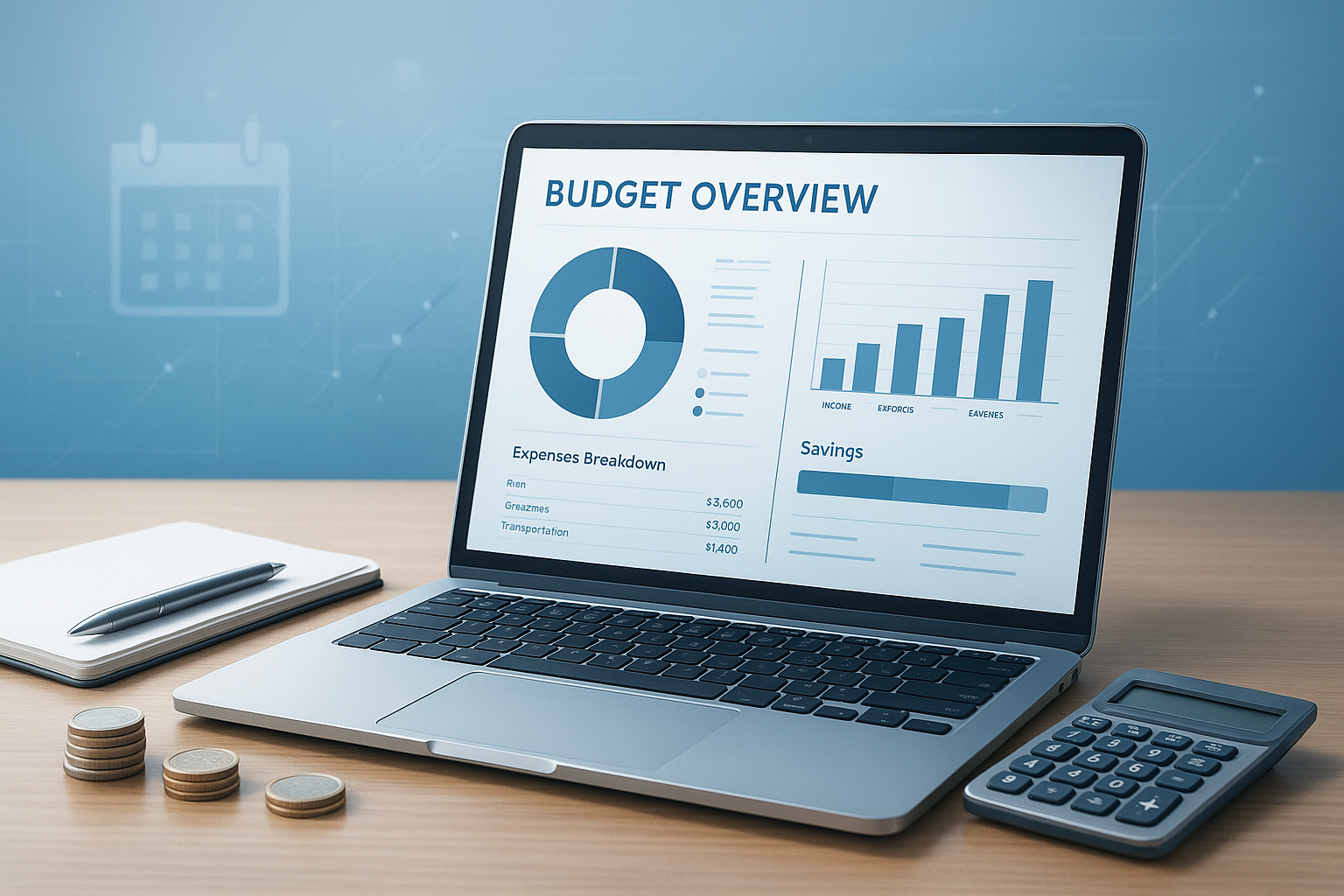
If you want a practical starting point, use a budget planner for monthly living expenses to map current costs and adjust them for retirement. This helps you spot expenses that may disappear, such as commuting, and expenses that may grow, such as healthcare.
3. Check whether your retirement savings can support that lifestyle
Now comes the important part. Compare your expected monthly needs with your likely retirement income. This includes pensions, retirement accounts, investment income, annuities, rental income, and government benefits.
A simple way to test your readiness is to estimate:
- Total retirement savings
- Expected annual return
- Safe withdrawal amount
- Years your money needs to last
- Inflation impact over time
Many people underestimate how long retirement can last. If you retire in your early 60s, your savings may need to support 25 to 35 years of living expenses.
To model different scenarios, try a retirement savings planner. Test what happens if you retire earlier, spend more, or earn less from investments than expected. Running several versions gives you a more realistic picture than relying on one best-case estimate.
4. Plan for inflation, not just today’s prices
Here’s what experienced professionals do differently. They do not plan retirement using today’s expenses alone. They account for how prices rise over time.
Inflation affects almost everything in retirement:
- Groceries
- Medical bills
- Home maintenance
- Insurance premiums
- Travel costs
A retirement budget that looks comfortable now can feel tight 10 or 15 years later if inflation is ignored. Even moderate inflation can reduce purchasing power in a big way over a long retirement.
If you are still in the saving phase, a compound interest calculator for long-term growth can help you understand how additional contributions today may improve future retirement income.
5. Review all expected income sources
Your retirement income may come from more than one place. List every source and note when it starts, how reliable it is, and whether the amount can change.
Common income sources include:
- Employer pension
- Provident fund or retirement corpus
- 401(k), IRA, or similar accounts
- Social Security or government retirement benefits
- Mutual funds and investments
- Fixed deposits or recurring deposits
- Rental income
- Part-time work or consulting
Do not assume every source is guaranteed. Investment-based income can fluctuate. Rental income may have gaps. Part-time work may not continue as long as expected.
6. Decide when to claim retirement benefits
The answer depends on one thing. How much flexibility do you have? Claiming retirement benefits early may give you income sooner, but it can reduce your monthly amount. Waiting longer can increase future payments, but only if your savings can cover the gap.
Consider:
- Your current health
- Your life expectancy
- Your spouse’s financial needs
- Whether you plan to keep working
- Your need for immediate cash flow
This decision can affect your income for the rest of your life, so do not rush it.
7. Build a withdrawal strategy before you retire
Saving for retirement and drawing income from retirement require different thinking. Once regular salary stops, every withdrawal choice matters.
Your withdrawal plan should answer:
- Which accounts will you draw from first?
- How much can you safely withdraw each year?
- Will you keep cash reserves for market downturns?
- How will taxes affect withdrawals?
- Will withdrawals change over time?
A good strategy helps your savings last longer and may reduce unnecessary tax costs. Some retirees draw from taxable accounts first, others delay certain retirement accounts, and some keep one to three years of living expenses in safer assets.
8. Understand the tax side of retirement
Many people focus on returns and ignore taxes. That can be expensive. Different retirement income sources are taxed differently, and poor timing can push you into a higher bracket or create avoidable tax liability.
Review these key points:
- Which withdrawals are taxable
- Which withdrawals may be tax-free
- How pensions are taxed
- Whether investment gains trigger taxes
- How required withdrawals may affect you
- Whether part-time income changes your tax position
If you want a quick estimate before making withdrawal decisions, use a tax calculator for income planning. It can help you compare scenarios and avoid surprises at filing time.
9. Pay down high-cost debt
Retiring with debt is not always a problem, but retiring with expensive debt often is. Credit cards, personal loans, and high-interest balances can put pressure on a fixed income.
Before retirement, review:
- Credit card balances
- Personal loans
- Car loans
- Mortgage payments
- Lines of credit
Try to clear high-interest debt first. If your mortgage rate is low and manageable, keeping it may be reasonable. But entering retirement with heavy monthly debt obligations can reduce flexibility and increase stress.
10. Prepare for healthcare costs
Healthcare is one of the biggest retirement expenses, and one of the most underestimated. Even people with strong savings often fail to set aside enough for insurance premiums, prescriptions, routine care, dental work, vision costs, and long-term care.
Ask yourself:
- What insurance coverage will I have after leaving work?
- What are my monthly premiums likely to be?
- How much should I budget for out-of-pocket expenses?
- Do I need long-term care planning?
- Will my spouse or dependents need separate coverage?
Do not treat healthcare as a minor line item. It belongs near the top of your retirement planning checklist.
11. Rebalance your investment portfolio
Your investment strategy at age 35 should not look the same as your strategy at retirement. As retirement approaches, many people shift from pure growth toward a balance of growth, income, and stability.
That does not mean moving everything into cash. It means making sure your portfolio matches your time horizon, risk tolerance, and withdrawal needs.
Review:
- Asset allocation
- Exposure to market volatility
- Income-producing investments
- Emergency cash reserves
- Diversification across assets
If you retire during a market downturn and need to sell investments to cover expenses, the damage can be lasting. A well-structured portfolio helps reduce that risk.
12. Create an emergency fund for retirement
Retirement does not remove financial surprises. It only changes how you cover them. Home repairs, medical bills, urgent travel, and support for family can all appear without warning.
Keep liquid funds available for short-term needs. This helps you avoid selling long-term investments at the wrong time or relying on debt when income is fixed.
A strong emergency reserve usually covers:
- Unexpected medical costs
- Major home repairs
- Car replacement or repair
- Temporary market declines
- Family emergencies
13. Review insurance policies before leaving work
Employer benefits often change or disappear when you retire. That is why you should review insurance before your last working day, not after.
Check these policies:
- Health insurance
- Life insurance
- Disability insurance
- Home insurance
- Auto insurance
- Long-term care coverage
You may no longer need some policies at the same level, while others may become more important. For example, disability coverage may matter less after retirement, but health and long-term care planning may matter more.
14. Update your estate plan and legal documents
This step is often delayed because it feels uncomfortable. Still, it is one of the most important parts of retirement readiness.
Review and update:
- Your will
- Power of attorney
- Healthcare directive
- Trust documents if relevant
- Beneficiary designations on accounts
Beneficiary designations are especially important because they can override instructions in a will. If your retirement accounts, insurance policies, or investment accounts still list old beneficiaries, your estate plan may not work as intended.
15. Make a timeline for key retirement tasks
Retirement planning becomes easier when you break it into deadlines. Some tasks should happen a year or more before you retire. Others should happen in the final three to six months.
| Time before retirement | What to do |
|---|---|
| 12 to 24 months | Estimate retirement income, review investments, reduce debt, and test your budget |
| 6 to 12 months | Choose benefit timing, review healthcare options, and update legal documents |
| 3 to 6 months | Confirm retirement date, submit paperwork, and plan first-year withdrawals |
| 1 to 3 months | Check account access, finalize cash reserves, and organize files |
A timeline removes guesswork and reduces the risk of missing important deadlines.
16. Practice living on your retirement budget
Here’s a useful test. Try living on your expected retirement income for three to six months before you retire. This gives you a realistic view of your future spending and highlights gaps while you still have employment income.
You may discover that:
- Your healthcare estimate was too low
- Your travel budget was too optimistic
- You can comfortably spend less than expected
- You need to delay retirement by a year or two
This kind of trial run is practical, honest, and often more useful than broad assumptions.
17. Think about where you will live
Housing is one of the biggest retirement decisions. Staying in your current home may be ideal, but only if it still fits your future needs financially and physically.
Consider these options:
- Stay where you are
- Downsize to reduce expenses
- Move closer to family
- Relocate to a lower-cost area
- Choose a community with better healthcare access
Look beyond the purchase price or rent. Include taxes, maintenance, utilities, transportation, and accessibility. A cheaper home with higher living costs may not actually save money.
18. Plan your time, not just your money
Many people prepare well financially but struggle emotionally once work ends. Retirement changes your routine, identity, and social life. That transition deserves attention.
Ask yourself:
- What will give my days structure?
- How will I stay socially connected?
- What hobbies or projects do I want to pursue?
- Do I want volunteer work or part-time work?
A good retirement is not only financially safe. It is also active, meaningful, and sustainable.
Quick retirement readiness table
| Area | What to check | Why it matters |
|---|---|---|
| Income | Pension, savings, investments, benefits | Shows whether your cash flow can cover retirement |
| Expenses | Monthly budget and future lifestyle costs | Prevents underestimating what you need |
| Healthcare | Insurance, premiums, long-term care | Protects against major late-life expenses |
| Taxes | Withdrawal timing and taxable income | Helps avoid unnecessary tax costs |
| Debt | Credit cards, loans, mortgage | Improves flexibility on fixed income |
| Legal planning | Will, beneficiaries, power of attorney | Protects your family and your wishes |
| Lifestyle | Housing, routine, purpose, social plans | Makes retirement more stable and enjoyable |
Common retirement planning mistakes to avoid
Let’s break this down. Most retirement problems come from a small number of avoidable mistakes.
- Retiring based on age instead of readiness
- Ignoring inflation
- Underestimating healthcare costs
- Claiming benefits without comparing timing options
- Keeping too much high-interest debt
- Failing to update beneficiaries
- Assuming spending will automatically drop
- Using one income estimate instead of testing multiple scenarios
- Entering retirement without a withdrawal strategy
- Neglecting emotional and lifestyle adjustment
How far in advance should you start your retirement checklist?
Earlier is always better, but the best starting point is now. Ideally, serious retirement planning begins at least five to ten years before your target retirement date. That gives you time to increase savings, reduce debt, improve your investments, and adjust your expected lifestyle if needed.
If you are only one or two years away, do not panic. Focus on the highest-impact steps first:
- Estimate retirement spending
- Review income sources
- Check healthcare coverage
- Build a withdrawal plan
- Reduce expensive debt
- Update legal documents
Frequently asked questions
How do I know if I have enough money to retire?
Compare your expected monthly retirement expenses with reliable income sources and a realistic withdrawal rate from savings. Run more than one scenario so you can test inflation, market changes, and longer life expectancy.
What should be included in a retirement checklist?
A retirement checklist should include budgeting, savings review, income planning, healthcare, tax strategy, debt reduction, insurance, estate planning, and lifestyle planning.
How much cash should I keep when I retire?
The right amount depends on your risk tolerance and income stability. Many retirees keep enough cash or low-risk assets to cover several months to a few years of essential expenses.
Should I pay off my mortgage before retirement?
Not always. If the payment is affordable and the interest rate is low, keeping the mortgage may be reasonable. But high monthly debt can limit flexibility, so the decision should fit your income and comfort level.
When should I start taking retirement benefits?
It depends on your finances, health, and long-term goals. Taking benefits early gives you income sooner, but waiting can increase monthly payments. Review both short-term and long-term effects before deciding.
Why is healthcare such a big retirement issue?
Because medical costs often rise with age, and employer-sponsored coverage may end when you retire. Premiums, medicine, specialist visits, and long-term care can have a major impact on your budget.
Do retirement expenses usually go down?
Some costs may fall, such as commuting or work-related spending. But healthcare, leisure, home maintenance, and inflation can offset those savings. That is why a detailed retirement budget matters.
What legal documents should I update before retirement?
Review your will, healthcare directive, power of attorney, trust documents if you have them, and all beneficiary designations on retirement and insurance accounts.
Can I retire if I still have debt?
Yes, but it depends on the type and size of the debt. Low-interest debt may be manageable. High-interest debt is far more risky once your income becomes fixed.
Is retirement planning only about finances?
No. Financial readiness is essential, but retirement also affects your routine, identity, relationships, and sense of purpose. The best retirement plans address both money and lifestyle.
Final thoughts
A good retirement checklist does more than organize tasks. It helps you make better decisions before they become harder to change. If you want retirement to feel secure, your plan should cover income, spending, taxes, healthcare, debt, legal documents, and daily life after work.
You do not need perfection. You need clarity. Start with the big numbers, test your budget honestly, and work through each step one at a time. That approach gives you a much better chance of retiring with confidence instead of uncertainty.