
Have you ever looked at a personal loan offer and thought, “The monthly payment seems fine,” only to realize later that the total cost is much higher than expected? That happens all the time. People focus on the monthly number, but the real decision is about how interest, loan term, and fees work together.
That is why knowing how to calculate monthly payments matters. It helps you compare lenders, avoid overborrowing, and choose a loan that fits your budget instead of stretching it.
In this guide, you will learn the personal loan formula in plain English, the factors that affect your payment, how amortization works, and how to estimate the full cost before you sign. You will also see practical examples, common mistakes, and simple ways to lower what you pay.
What is a personal loan monthly payment?
A personal loan monthly payment is the fixed amount you pay each month to repay the money you borrowed, plus interest. In many cases, the payment stays the same for the full loan term if the loan has a fixed interest rate.
Each payment usually includes two parts:
- Principal, which is the amount you borrowed
- Interest, which is the lender’s charge for lending you the money
Early in the loan, a larger share of your payment usually goes toward interest. Later, more of the payment goes toward principal. This is where many people get confused. The payment may stay the same, but the way it is split changes over time.
What factors affect your monthly loan payment?
The answer depends on four main factors. Change any one of them, and your payment changes too.
1. Loan amount
This is the amount you borrow. A larger loan means a larger monthly payment, assuming the rate and term stay the same.
2. Interest rate
The interest rate determines how much borrowing costs. A higher rate increases your monthly payment and your total repayment.
3. Loan term
The loan term is how long you take to repay the loan, such as 24, 36, or 60 months. A longer term lowers the monthly payment, but usually increases the total interest paid.
4. Fees and charges
Some lenders charge origination fees, processing fees, or penalties. These may not always change the monthly payment directly, but they raise the true cost of the loan. If you want to estimate borrowing costs quickly, a percentage calculator can help you understand how much a fee or rate difference adds to the total.
How do you calculate monthly payments on a personal loan?
Let’s break this down. Most fixed-rate personal loans use a standard amortizing loan formula.
The formula is:
M = P × r × (1 + r)^n / ((1 + r)^n - 1)
Where:
- M = monthly payment
- P = loan principal
- r = monthly interest rate
- n = total number of monthly payments
To get the monthly interest rate, divide the annual rate by 12 and convert it to decimal form.
For example, if your annual interest rate is 12%, your monthly rate is 0.12 ÷ 12 = 0.01.
If this formula looks technical, that is normal. Most people do not calculate it by hand. They use a reliable EMI and loan calculator to get the payment instantly and compare different loan options.
Step-by-step example of a personal loan payment
Now comes the important part. Let’s use a real example.
Suppose you borrow $10,000 at 12% annual interest for 3 years, or 36 months.
- Loan amount: $10,000
- Annual interest rate: 12%
- Monthly interest rate: 1% or 0.01
- Loan term: 36 months
Using the formula, the monthly payment comes to about $332.14.
That means:
- Monthly payment: about $332.14
- Total of 36 payments: about $11,957.04
- Total interest paid: about $1,957.04
Here’s the problem. Many borrowers only look at the $332 payment and ignore the nearly $2,000 in interest. But that interest is part of the real cost of the loan.
How do loan term and interest rate change the payment?
This small detail changes everything. A lower monthly payment does not always mean a better loan. Sometimes it simply means you are paying for longer.
| Loan Amount | Interest Rate | Term | Estimated Monthly Payment | Estimated Total Interest |
|---|---|---|---|---|
| $10,000 | 12% | 24 months | $470.73 | $1,297.52 |
| $10,000 | 12% | 36 months | $332.14 | $1,957.04 |
| $10,000 | 12% | 60 months | $222.44 | $3,346.40 |
What does this show?
- A longer term lowers the monthly burden
- A longer term increases total interest
- A shorter term costs more each month but saves money overall
Here’s what experienced borrowers do differently. They do not ask only, “Can I afford the monthly payment?” They also ask, “How much am I paying in total?”
What is amortization and why does it matter?
Amortization is the process of spreading loan payments over time. Every month, part of your payment covers interest and part reduces the remaining balance.
At the start of the loan:
- More of your payment goes to interest
- Less goes to principal
Later in the loan:
- Less goes to interest
- More goes to principal
This matters because it affects how quickly your debt falls. If you repay the loan early, you may reduce future interest, especially if your lender does not charge a prepayment penalty.
If you want to see exactly how each payment is split month by month, use a loan amortization calculator. It gives you a full schedule instead of just one payment estimate.
How can you estimate your personal loan payment without doing the full formula?
Not everyone wants to use a formula. If you only need a quick estimate, follow this simple process:
- Write down the amount you want to borrow
- Check the annual interest rate from the lender
- Choose the loan term in months
- Use an online calculator to estimate the monthly payment
- Multiply the payment by the number of months to find total repayment
- Subtract the original loan amount to estimate total interest
This method is fast and practical. It also makes loan comparison much easier.
What is the difference between APR and interest rate?
This is where many people struggle. The interest rate and APR are not always the same thing.
| Term | What It Means | Why It Matters |
|---|---|---|
| Interest Rate | The basic cost of borrowing the principal | Used to calculate most monthly payments |
| APR | The annual percentage rate, which may include fees and other lending costs | Gives a better view of the total loan cost |
If one lender shows a lower interest rate but charges high fees, that loan may still cost more overall. Always compare APR when shopping around, especially if the lenders structure fees differently.
How do fees affect the true cost of a personal loan?
Monthly payments tell only part of the story. Some loans include extra charges that borrowers miss at first glance.
Common fees include:
- Origination fees
- Application fees
- Late payment fees
- Prepayment penalties
- Insurance add-ons
For example, if you borrow $10,000 but pay a 5% origination fee, you may receive only $9,500 while still repaying the full loan amount plus interest. That makes the loan more expensive than it first appears.
How much personal loan can you realistically afford?
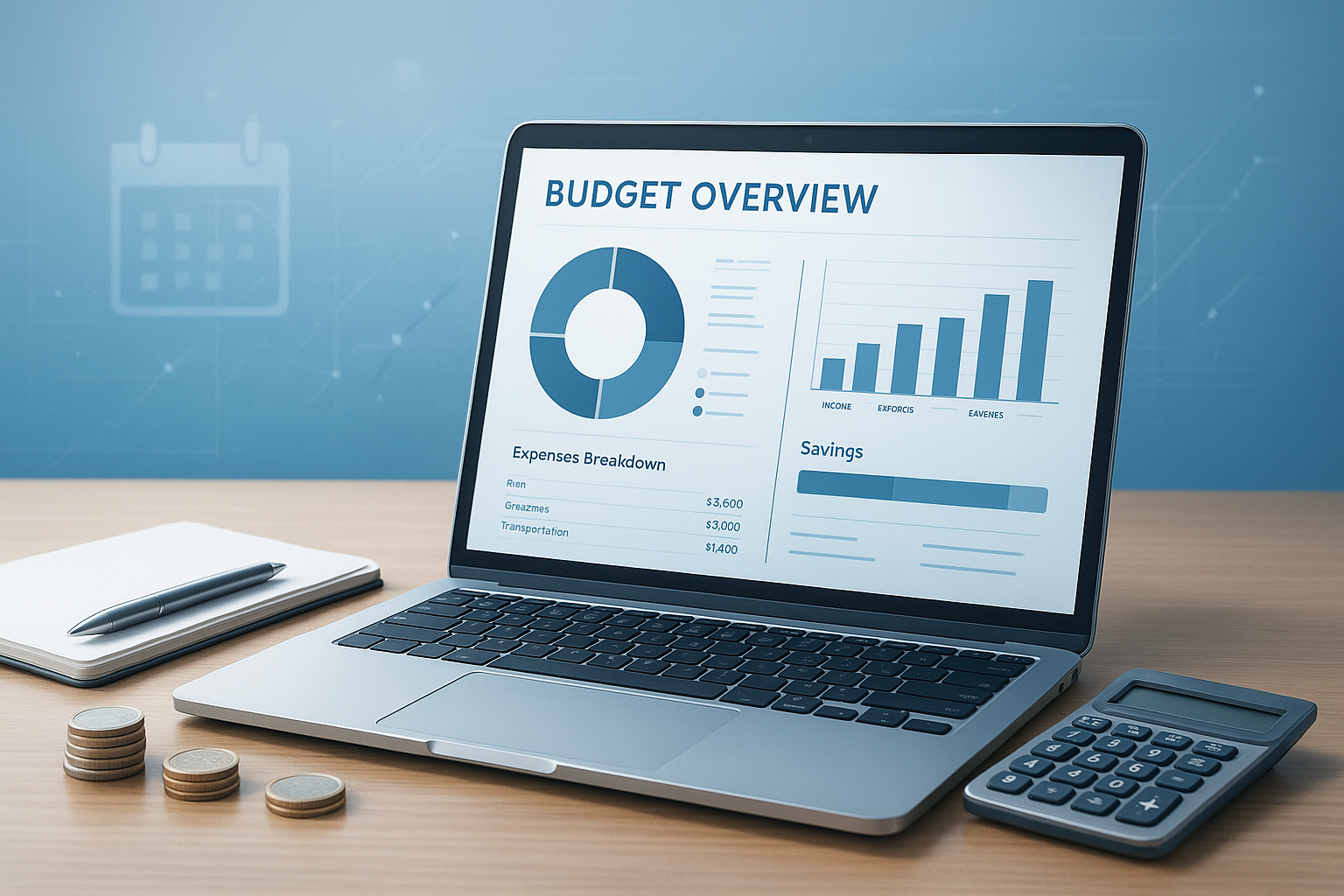
Before calculating the payment, calculate your room in the budget. This is one of the most overlooked steps.
A simple approach is to review:
- Monthly income
- Rent or mortgage
- Utilities
- Food
- Transport
- Insurance
- Existing debt payments
- Savings goals
Whatever remains is your realistic payment range. But do not use every extra dollar for debt. Leave space for emergencies and rising expenses.
If you want a clearer picture, a budget planner can help you test whether a loan payment fits comfortably into your monthly finances.
What is a good monthly payment for a personal loan?
There is no single perfect number. A good monthly payment is one you can make comfortably every month without relying on credit cards, dipping into emergency savings, or falling behind on essentials.
As a rule of thumb, your payment should:
- Fit within your regular monthly budget
- Leave room for savings
- Not cause stress if one unexpected bill appears
- Be sustainable for the full loan term
If the payment only works in your best month, it is probably too high.
Should you choose a shorter or longer loan term?
The answer depends on your priorities.
| Option | Main Advantage | Main Drawback | Best For |
|---|---|---|---|
| Shorter term | Lower total interest | Higher monthly payment | Borrowers with stable income who want to save money overall |
| Longer term | Lower monthly payment | Higher total interest | Borrowers who need more monthly flexibility |
If you can comfortably handle the higher payment, a shorter term usually makes more financial sense. If cash flow is tight, a longer term may reduce pressure, but you should understand the cost trade-off.
How can you lower your monthly personal loan payment?
If the estimated payment feels too high, you have a few options.
- Borrow less
- Improve your credit before applying
- Choose a longer repayment term
- Compare offers from multiple lenders
- Add a co-borrower if appropriate
- Refinance later if rates improve
But be careful. Extending the term may help your monthly budget while increasing your total cost. Lowering the interest rate is usually the better long-term win.
Common mistakes people make when calculating loan payments
Let’s look at why borrowers often misjudge personal loans.
- They focus only on the monthly payment
- They ignore fees
- They confuse APR with interest rate
- They choose the longest term without checking total interest
- They forget to test the payment against their real budget
- They do not read prepayment rules
These mistakes can turn an affordable-looking loan into a stressful one.
When does a personal loan make sense?
A personal loan can be useful when it helps you solve a clear financial need at a reasonable cost.
Common reasons include:
- Debt consolidation
- Medical expenses
- Home repairs
- Emergency costs
- Large planned purchases
It usually makes less sense for impulse spending, nonessential luxury purchases, or borrowing without a repayment plan.
Personal loan vs credit card: which has the more predictable payment?
For many borrowers, personal loans are easier to plan around because fixed-rate loans usually have fixed monthly payments. Credit cards are more flexible, but that flexibility can become expensive.
| Feature | Personal Loan | Credit Card |
|---|---|---|
| Monthly payment | Usually fixed | Usually variable |
| Interest rate | Often lower than credit cards | Often higher |
| Repayment term | Set end date | No fixed payoff date if only minimums are paid |
| Best for | Planned borrowing with structure | Short-term spending and revolving access |
If your goal is predictable repayment, a personal loan often gives you more clarity.
How do lenders decide your interest rate?
Lenders usually look at several factors before offering a rate:
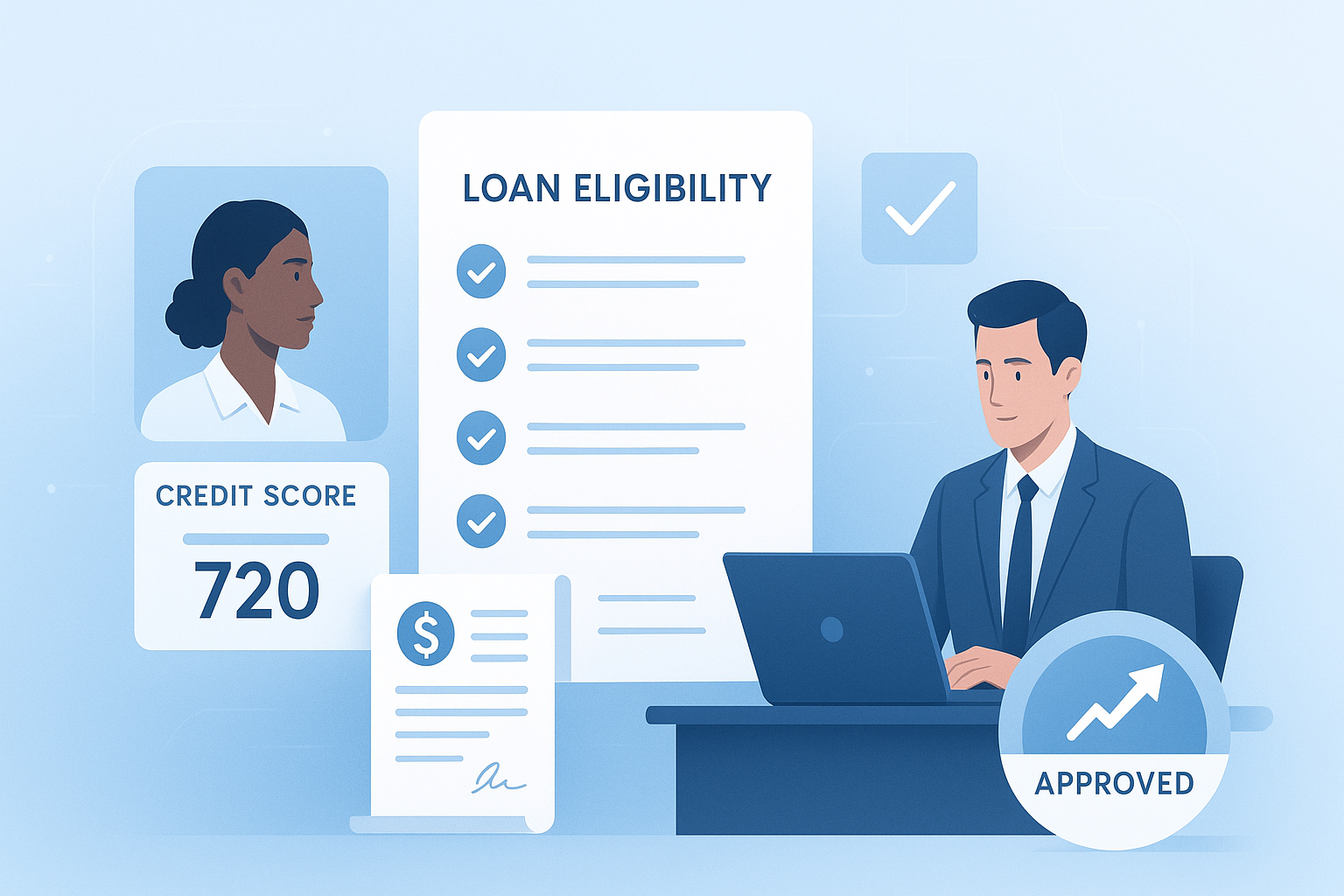
- Credit score
- Income
- Debt-to-income ratio
- Employment history
- Loan amount
- Loan term
- Existing relationship with the lender
Better credit and stronger finances often lead to lower rates. Even a small rate reduction can save a meaningful amount over the life of the loan.
What should you compare before accepting a loan offer?
Do not stop at the monthly payment. Compare the complete offer.
- Loan amount
- Interest rate
- APR
- Monthly payment
- Total repayment amount
- Origination fees
- Late fees
- Prepayment penalties
- Funding speed
If you are comparing borrowing options for a home purchase instead, the numbers work differently. In that case, a mortgage calculator is the more suitable tool because mortgage terms, taxes, and long repayment periods change the math.
Practical example: how to compare two personal loan offers
Suppose you receive these two offers for a $15,000 loan.
| Offer | Interest Rate | Term | Monthly Payment | Fees | Estimated Total Cost |
|---|---|---|---|---|---|
| Lender A | 10% | 36 months | Higher | Low | Lower overall |
| Lender B | 8.5% | 48 months | Lower | Higher | May be higher overall |
At first glance, Lender B may look better because the monthly payment is lower and the stated rate is lower. But once fees and the longer term are included, the total cost may be higher. This is exactly why side-by-side comparison matters.
Best practices before taking a personal loan
- Borrow only what you need
- Choose the shortest term you can comfortably afford
- Compare multiple lenders
- Check APR, not just interest rate
- Read all fee details
- Review the monthly payment against your full budget
- Ask about early repayment terms
- Keep proof of the final loan agreement
Frequently Asked Questions
How do I calculate monthly payments on a personal loan?
You need the loan amount, interest rate, and repayment term. Most people use an online loan calculator because it is faster and reduces errors.
What is the formula for a personal loan monthly payment?
The standard formula is M = P × r × (1 + r)^n / ((1 + r)^n - 1), where M is the monthly payment, P is the principal, r is the monthly interest rate, and n is the number of payments.
Does a longer loan term always mean a better deal?
No. A longer term usually lowers the monthly payment but increases the total interest paid over time.
What is included in a monthly personal loan payment?
Most monthly payments include principal and interest. Some loans may also involve fees, depending on the lender.
Is APR more important than interest rate?
For comparing overall loan cost, APR is often more useful because it may include fees in addition to the interest rate.
Can I lower my monthly payment after taking a loan?
Possibly. You may be able to refinance, extend the term, or make changes if your lender allows it. The best option depends on your loan terms and credit profile.
How can I tell if a loan payment fits my budget?
Check your income, essential expenses, current debts, and savings goals. If the payment leaves no room for emergencies, it is likely too high.
Do extra payments reduce total interest?
Yes, in many cases. Extra payments can reduce the principal faster and cut future interest, as long as your lender does not charge a prepayment penalty.
What credit score do I need for a lower personal loan rate?
Requirements vary by lender, but higher credit scores generally qualify for better rates and more favorable terms.
Should I use a personal loan for debt consolidation?
It can make sense if the new loan has a lower rate than your existing debts and the payment is manageable. The key is not running up new balances again afterward.
Final thoughts
Calculating personal loan monthly payments is not just about getting a number. It is about understanding what that number means for your budget, your interest costs, and your long-term financial health.
The smartest way to approach a personal loan is simple. Start with the amount you truly need. Compare rates, terms, and fees carefully. Look at both the monthly payment and the total cost. Then make sure the payment fits your life, not just the lender’s approval range.
When you understand the math behind the loan, you make better choices. And better choices usually save money.