
Do you know where your money goes every month, or do you just hope there is enough left at the end? That small gap between what you earn and what you track is where most money problems begin.
Many people are not bad with money. They are just working without a system. Bills arrive at different times. Subscriptions pile up quietly. One large purchase throws off the whole month. Then saving gets pushed to “later.”
A personal finance checklist fixes that. It gives you a clear way to review income, spending, savings, debt, and future goals in one place. Add a budget calculator to the process, and your numbers stop feeling vague. They become useful.
In this guide, you will learn how to build a practical personal finance checklist, how to use a budget calculator for smarter money management, what to review every month, and which mistakes to avoid if you want better control over your finances.
What is a personal finance checklist?
A personal finance checklist is a simple list of financial items you review regularly to stay in control of your money. Think of it as a routine inspection for your financial life.
It usually includes:
- Monthly income
- Fixed expenses
- Variable spending
- Savings contributions
- Debt payments
- Emergency fund progress
- Investment tracking
- Insurance and tax review
- Short-term and long-term goals
The purpose is not to make budgeting complicated. It is to make money decisions visible. When you can see the full picture, it becomes much easier to decide what to cut, what to increase, and what to prioritize.
Why does a budget calculator matter?
Here’s the problem. Many people try to budget in their head. That rarely works for long. Income may be clear, but spending usually is not.
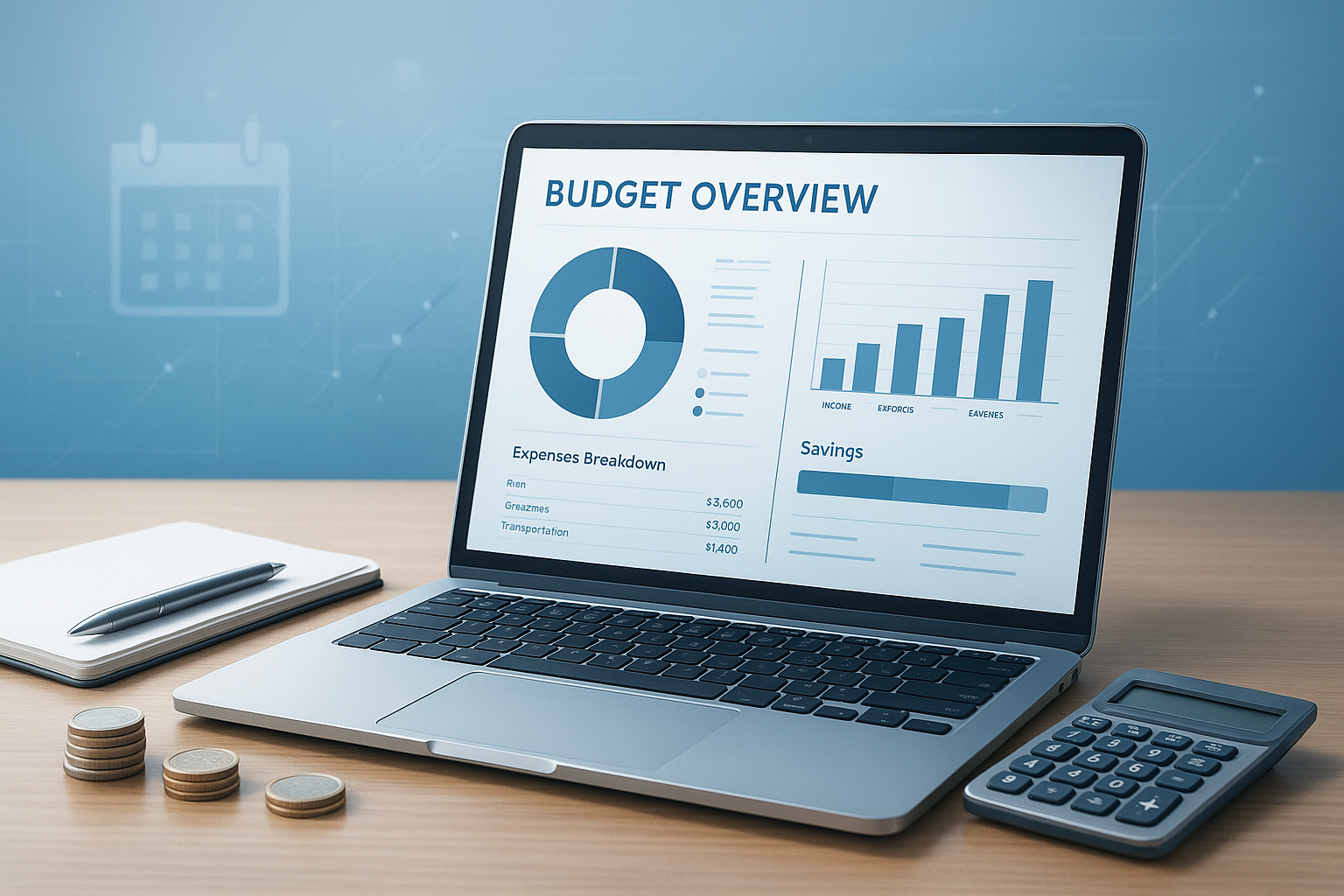
A budget calculator helps you assign numbers to real life. It shows how much you earn, how much you spend, and how much remains. That one snapshot can reveal whether your money is supporting your goals or drifting away in small, avoidable expenses.
Using a budget planner calculator can help you organize your monthly cash flow faster than building everything from scratch. It gives you a practical starting point and helps you spot imbalances early.
This is where many people struggle. They think budgeting means restriction. In reality, a good budget is a decision tool. It helps you spend with less stress because you already know what is affordable.
What should be included in a personal finance checklist?
Let’s break this down into the core categories that matter most.
1. Track your total monthly income
Start with the money you actually receive each month. Use net income if possible, since that is what lands in your account after deductions.
Include:
- Salary or wages
- Freelance or side income
- Rental income
- Bonuses if they are regular
- Other consistent income sources
If your income changes each month, use a conservative average based on the last 6 to 12 months.
2. List your fixed expenses
Fixed expenses are the bills that stay mostly the same each month. These are the easiest to plan for.
- Rent or mortgage
- Loan payments
- Insurance premiums
- School fees
- Internet and phone plans
- Subscriptions
If you have a home loan, a mortgage payment calculator can help you understand how much of your monthly budget goes toward housing and whether refinancing or prepaying might improve your financial position.
3. Estimate variable spending
This small detail changes everything. Variable spending is where budgets usually drift.
These costs change from month to month:
- Groceries
- Transportation
- Fuel
- Dining out
- Entertainment
- Shopping
- Medical costs
- Household supplies
Look at your last three months of bank and card statements. Use real averages, not guesses. This creates a more honest budget.
4. Review debt obligations
Debt should always be part of your checklist. Not just the monthly amount, but the type of debt and the interest rate.
Track:
- Credit card balances
- Personal loans
- Student loans
- Car loans
- Home loans
Now comes the important part. High-interest debt deserves special attention because it can quietly block savings progress even when income is healthy.
If you want to compare repayment amounts and timelines, an EMI and loan calculator can help you estimate monthly payments and see how loan terms affect your budget.
5. Set a savings target
A budget without a savings line is only an expense tracker. Savings should be treated like a planned category, not something left over by chance.
Your checklist should include:
- Emergency fund contributions
- Travel savings
- Home down payment savings
- Education savings
- Retirement savings
Even a small monthly amount creates momentum. The key is consistency.
6. Plan for investing
Saving protects you. Investing grows your money over time. A complete personal finance checklist should make room for both.
Here’s what experienced professionals do differently. They do not wait for a perfect month. They set a realistic amount and automate it.
If you invest regularly, a SIP investment calculator can show how monthly contributions may grow over the years. This is useful for goal-based planning such as retirement, children’s education, or wealth building.
7. Don’t forget taxes and annual costs
Many budgets fail because people only plan for monthly bills. Annual and irregular expenses still count.
Examples include:
- Insurance renewals
- Vehicle maintenance
- Holiday spending
- Gifts
- Property taxes
- School admissions
- Medical emergencies
Break these large annual costs into monthly portions and include them in your budget. That way, the expense is expected instead of disruptive.
How to use a budget calculator step by step
The answer depends on one thing: whether you use the calculator as a one-time estimate or as an ongoing planning habit. For best results, make it part of your monthly review.
- Enter your total monthly income. Use reliable after-tax income if available.
- Add fixed expenses. Start with housing, insurance, utilities, and debt payments.
- Estimate variable costs. Use real transaction history, not rough assumptions.
- Add savings and investment contributions. Treat these as planned categories.
- Check the balance. If expenses exceed income, adjust immediately.
- Review category by category. Cut waste before cutting essentials.
- Repeat every month. A budget works best when it is updated regularly.
If your result shows very little left over, do not panic. That simply means your budget is doing its job. It is showing reality clearly so you can respond early.
A simple monthly budget example
Let’s look at a realistic example of how a personal finance checklist and budget calculator work together.
| Category | Monthly Amount |
|---|---|
| Net Income | $4,000 |
| Rent | $1,200 |
| Utilities and Internet | $220 |
| Groceries | $450 |
| Transport | $250 |
| Loan Payments | $300 |
| Insurance | $180 |
| Dining and Entertainment | $250 |
| Savings | $500 |
| Investments | $250 |
| Miscellaneous | $150 |
| Total Expenses | $3,750 |
| Remaining Balance | $250 |
This budget is workable, but it is tight. A checklist review might show that dining out or miscellaneous spending needs a limit. It might also show a chance to increase income or reduce debt faster.
What are the best budgeting methods for smarter money management?
Not every budget system fits every person. The best one is the one you can actually follow.
| Budget Method | How It Works | Best For |
|---|---|---|
| 50/30/20 Rule | 50% needs, 30% wants, 20% savings and debt repayment | Beginners who want a simple framework |
| Zero-Based Budget | Every dollar is assigned a job until income minus expenses equals zero | People who want full control |
| Pay Yourself First | Savings and investing are funded before flexible spending | People focused on long-term goals |
| Envelope Style Budgeting | Set spending limits by category | People who overspend in daily expenses |
If you are just starting, the 50/30/20 method is a good entry point. If your spending feels messy or unpredictable, zero-based budgeting gives stronger control.
How often should you review your personal finance checklist?
Most people need three levels of review.
- Weekly: Check spending, account balances, and upcoming bills.
- Monthly: Update your budget calculator and compare planned versus actual spending.
- Quarterly: Review savings goals, debt payoff progress, investments, and major life changes.
Here’s why this matters. A budget is not something you set once and forget. Income changes. Prices rise. Goals shift. Your checklist keeps your money plan aligned with real life.
Common personal finance mistakes that hurt your budget
Most money problems are not caused by one dramatic mistake. They usually come from repeated blind spots.
- Ignoring small recurring subscriptions
- Underestimating variable spending
- Saving only what is left over
- Using credit cards without a payoff plan
- Forgetting annual expenses
- Setting unrealistic budget limits
- Not tracking partner or household spending together
- Avoiding budget reviews after overspending
The last one is more common than people admit. A bad month often causes people to stop tracking. That makes the next month worse. Review the numbers anyway. Honest data is always more useful than avoidance.
How can you improve your budget quickly?
You do not need a full financial reset to make meaningful progress. Small adjustments often create the fastest wins.
- Audit the last 90 days of spending. Look for patterns, not just one-off purchases.
- Cancel or reduce unused services. Recurring expenses are easy to miss.
- Cap flexible categories. Food delivery, shopping, and entertainment are good starting points.
- Automate savings. Remove the need to decide every month.
- Build a basic emergency buffer. Even a small reserve lowers financial stress.
- Prioritize high-interest debt. This improves cash flow over time.
- Review price increases. Insurance, internet, and service plans often rise quietly.
If you want to understand how spending increases or savings changes affect your plan, a percentage calculator for budget changes can be helpful when comparing category growth, salary raises, or expense cuts.
What does a healthy personal budget look like?
A healthy budget is not one that looks perfect on paper. It is one that is sustainable, realistic, and aligned with your goals.
In most cases, a healthy budget should allow you to:
- Pay all essential bills on time
- Avoid relying on debt for routine expenses
- Save something every month
- Make progress on debt reduction
- Prepare for irregular expenses
- Invest consistently if possible
If you can do those six things, your money management is moving in the right direction.
Personal finance checklist for beginners
If you are new to budgeting, start simple. Do not try to optimize every category at once.
- Write down monthly take-home income
- List every fixed bill
- Review the last 3 months of spending
- Set limits for groceries, transport, and fun spending
- Choose a monthly savings amount
- Track debt balances and interest rates
- Create a small emergency fund target
- Review your budget at the end of each month
This starter checklist is enough to build awareness. Once that becomes routine, you can improve details like retirement planning, tax efficiency, and investment strategy.
Personal finance checklist for families
Family budgeting needs a slightly different approach because spending is shared and often less predictable.
A family checklist should also include:
- Childcare and school costs
- Medical and insurance planning
- Shared savings goals
- House maintenance
- Seasonal spending
- Emergency contact and document planning
The biggest improvement usually comes from one habit: one monthly money meeting. When both partners review the budget together, fewer surprises appear later.
FAQ
1. What is the main purpose of a personal finance checklist?
Its main purpose is to help you review all important parts of your finances in one system, including income, expenses, debt, savings, and goals.
2. How does a budget calculator help with money management?
A budget calculator helps you compare income and expenses clearly, so you can see whether you are overspending, saving enough, or carrying too much debt.
3. How much should I save each month?
The exact amount depends on your income, expenses, and goals. A common starting point is at least 10% to 20% of income, but any consistent amount is better than none.
4. What is the best budget rule for beginners?
The 50/30/20 budget rule is often the easiest for beginners because it gives simple spending targets for needs, wants, and savings.
5. Should I budget before or after paying debt?
You should always budget first. Your budget shows how much you can realistically put toward debt while still covering essentials and savings.
6. How often should I use a budget calculator?
At minimum, use it once a month. Weekly check-ins are also helpful if your spending changes often or your income is irregular.
7. What if my expenses are higher than my income?
Start by reviewing variable spending, subscriptions, and debt costs. Then look for ways to reduce expenses, increase income, or restructure repayments.
8. Is budgeting useful even if I earn a high income?
Yes. Higher income does not automatically create financial control. Without tracking, spending can expand just as quickly as earnings.
9. What is the difference between saving and investing?
Saving is usually for short-term security and planned expenses. Investing is for long-term growth and usually involves some level of risk.
10. Can a budget calculator help with financial goals?
Yes. It helps you see whether your current income and spending support goals like building an emergency fund, paying off loans, or investing for retirement.
Final thoughts
Smarter money management usually starts with one honest review, not a major financial breakthrough. A personal finance checklist helps you see what is working, what is leaking money, and what needs attention next.
A budget calculator makes that process practical. Instead of relying on memory or guesswork, you work with real numbers. That leads to better decisions, less stress, and more control over your financial future.
If your budget feels unclear right now, start small. Track income. List expenses. Set one savings target. Review one month honestly. The goal is not perfection. The goal is clarity, and clarity is what turns money management into progress.