
Do you know where your money goes each month, or does it seem to disappear before your goals even get a chance?
That is the problem a financial goals budget calculator helps solve. It turns vague plans like “save more,” “pay off debt,” or “buy a home” into clear monthly numbers you can actually follow.
Most people do not fail at money planning because they lack discipline. They fail because their goals are not connected to their real income, bills, and spending habits. A good calculator closes that gap.
In this guide, you will learn what a financial goals budget calculator does, how to use one properly, which numbers matter most, and how to build a budget that supports short-term and long-term financial goals without feeling unrealistic.
What is a financial goals budget calculator?
A financial goals budget calculator is a planning tool that helps you match your income with your expenses, savings targets, and debt payments. Instead of making a general budget, you create a budget with a purpose.
That purpose might be:
- Building an emergency fund
- Saving for a vacation
- Paying off credit card debt
- Buying a car
- Saving for a home down payment
- Planning retirement
- Reducing overspending
Here is the key idea. A normal budget tells you what you spent. A goal-based budget tells you what your money needs to do next.
Why is a budget calculator better than guessing?
Here’s the problem. Many people set financial goals based on emotion, not math.
They decide they want to save $500 a month without checking whether their income can support it. Or they focus on debt repayment but forget annual expenses like insurance, school fees, or holiday travel.
A budget calculator gives structure. It helps you:
- See your full income picture
- Track fixed and variable expenses
- Set realistic savings targets
- Balance debt repayment with daily living costs
- Find extra money in your current spending
- Adjust your plan before problems grow
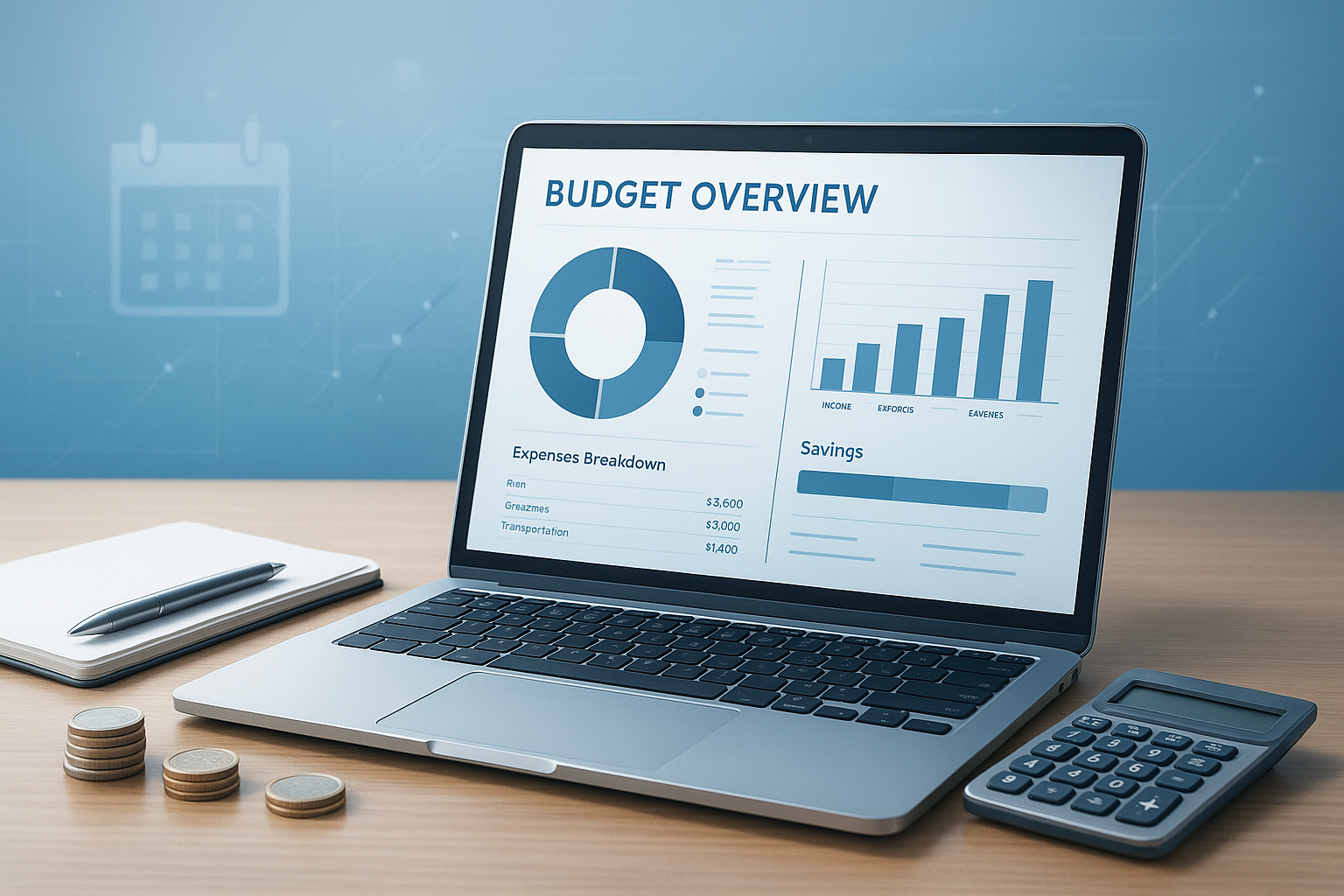
If you want a starting point for organizing your monthly cash flow, a budget planner calculator can help you map income, expenses, and goal amounts in one place.
How does a financial goals budget calculator work?
Most budget calculators follow a simple structure. You enter your income, list your expenses, and then assign money toward specific goals.
Let’s break this down.
1. Add your total monthly income
This includes your take-home pay after taxes and deductions. If your income changes month to month, use your average income based on the last 6 to 12 months.
Common income sources include:
- Salary
- Freelance work
- Business income
- Rental income
- Side hustle income
- Investment payouts
2. List your fixed expenses
These are bills that usually stay the same each month.
- Rent or mortgage
- Loan payments
- Insurance
- Subscriptions
- School fees
- Childcare
3. Estimate variable expenses
These costs move up and down every month.
- Groceries
- Transport
- Eating out
- Shopping
- Utilities
- Entertainment
4. Enter financial goals
This is where the calculator becomes more useful than a basic expense tracker.
You can set target amounts and timelines for goals like:
- $3,000 emergency fund in 10 months
- $10,000 down payment in 24 months
- $5,000 debt payoff in 8 months
- $100,000 retirement contribution strategy over several years
5. Review the gap
The calculator shows whether your current budget supports your goals. If not, you have three choices:
- Reduce spending
- Extend your timeline
- Increase income
This small detail changes everything. Without that gap analysis, goals stay theoretical.
What makes a good financial goal?
Not every money goal works well in a calculator. The most useful goals are specific, measurable, and time-bound.
| Weak Goal | Better Goal | Why It Works Better |
|---|---|---|
| Save more money | Save $200 a month for a $2,400 emergency fund | It has a monthly target and total amount |
| Pay off debt soon | Pay off $4,800 in credit card debt in 12 months | It gives a deadline and a repayment pace |
| Invest for future | Invest $300 monthly for retirement starting this month | It creates a repeatable action |
| Buy a house someday | Save $20,000 for a down payment in 36 months | It turns a dream into a plan |
Here’s what experienced planners do differently. They define the amount, the deadline, and the monthly contribution before they start cutting expenses.
How to use a financial goals budget calculator step by step
If you want accurate results, how you enter the numbers matters.
- Start with net income, not gross income. Use the amount that actually reaches your bank account.
- Use real spending data. Check the last 2 to 3 months of bank and card statements.
- Include irregular expenses. Annual costs should be divided into monthly amounts.
- Prioritize essential bills first. Housing, food, transport, insurance, and utilities come before optional spending.
- Add one to three main financial goals. Too many goals at once usually weaken the plan.
- Test the monthly target. If the calculator says you need to save $900 a month but your surplus is only $350, the target needs revision.
- Review and adjust monthly. A budget is a living system, not a one-time setup.
Which financial goals should come first?
This is where many people struggle. They try to do everything at once.
The smarter approach is to rank goals by urgency and financial impact.
Top priority goals for most people
- Essential living expenses
- Minimum debt payments
- Emergency fund
- High-interest debt payoff
- Retirement or long-term investing
- Medium-term lifestyle goals
If you are balancing saving and investing, a savings and retirement planner can help estimate how today’s monthly contributions support future needs.
Why emergency savings often comes before aggressive investing
If you invest heavily but have no emergency reserve, one unexpected expense can force you to borrow money or sell investments at the wrong time.
That is why many financial professionals suggest building a starter emergency fund first, then attacking high-interest debt, then increasing investments over time.
Popular budgeting methods you can use with a calculator
A budget calculator works even better when you pair it with a budgeting method. The answer depends on one thing: how you naturally manage money.
| Method | How It Works | Best For |
|---|---|---|
| 50/30/20 Budget | 50% needs, 30% wants, 20% savings or debt | Beginners who want a simple framework |
| Zero-Based Budget | Every dollar gets a job | People who want control and detail |
| Pay Yourself First | Save first, spend the rest | People who struggle to save consistently |
| Goal-Based Budget | Budget categories built around financial targets | People saving for specific milestones |
Which one is best?
There is no universal winner.
If you are just getting started, the 50/30/20 rule is easy to understand. If you have debt, irregular spending, or several competing goals, a more detailed goal-based or zero-based system usually works better.
When checking whether a category fits a target percentage, a percentage calculator for budget ratios can make the math much easier.
How to calculate monthly savings for a financial goal
The formula is simple:
Monthly savings needed = Total goal amount ÷ Number of months
Example:
- Goal: $6,000 emergency fund
- Timeline: 12 months
- Monthly amount needed: $500
Now comes the important part. This formula only tells you the basic target. It does not account for interest, inflation, or missed months.
That means it is often wise to:
- Round your target up slightly
- Build a buffer for irregular spending
- Automate transfers right after payday
What if the target feels too high?
You have several options:
- Extend the timeline
- Lower the goal amount if reasonable
- Cut one non-essential category
- Increase income through side work
- Split the goal into phases
For goals tied to investing growth over time, a compound interest calculator can show how regular contributions may grow faster than simple saving alone.
Short-term vs long-term financial goals
Not all goals should be treated the same way. Time horizon changes the strategy.
| Goal Type | Typical Timeline | Examples | Best Budget Approach |
|---|---|---|---|
| Short-term | 0 to 12 months | Emergency fund, travel, small debt payoff | Higher monthly contributions, lower risk |
| Medium-term | 1 to 5 years | Car purchase, wedding, down payment | Structured monthly saving plan |
| Long-term | 5+ years | Retirement, child education, wealth building | Budget plus investing strategy |
Here’s why this matters. A vacation fund and a retirement plan should not be treated with the same urgency, risk level, or contribution style.
Common budget categories to include
A financial goals budget calculator works best when your categories are realistic. If categories are too broad, you miss patterns. If they are too detailed, you stop using the system.
A practical setup usually includes:
- Housing
- Utilities
- Groceries
- Transportation
- Insurance
- Debt payments
- Savings
- Investments
- Healthcare
- Family and education
- Personal spending
- Entertainment
- Annual or irregular expenses
Do not forget sinking funds
This is one of the most overlooked parts of budget planning.
Sinking funds are small monthly amounts set aside for future expected costs such as:
- Car repairs
- Holiday shopping
- Renewal fees
- Home maintenance
- Medical expenses
- School expenses
Without sinking funds, your budget may look balanced until one large bill blows it up.
How to budget when your income changes every month
If you freelance, run a business, earn commissions, or work seasonally, fixed monthly budgeting can feel frustrating.
Here’s what works better.
- Calculate your average monthly income based on recent history.
- Build your budget around your lowest reliable month.
- Separate essential expenses from flexible spending.
- Use high-income months to fund savings, taxes, and future lean months.
- Keep a larger emergency buffer than someone with a fixed salary.
Many self-employed people also forget tax planning. That leads to a cash flow crisis later in the year. If taxes affect your monthly budgeting, a tax estimate tool can help you plan those deductions early.
How debt affects your financial goals budget
Debt changes the math. But not all debt should be treated the same way.
| Type of Debt | Priority Level | Why |
|---|---|---|
| Credit card debt | Very high | Usually carries high interest |
| Personal loan | High | Can strain monthly cash flow |
| Car loan | Medium | Important, but often lower than card debt |
| Mortgage | Medium | Long-term and usually structured |
| Student loan | Depends | Rate and terms matter |
If debt repayment is one of your main goals, calculate how much extra payment is realistic after essential bills and minimum payments. Going too aggressive too early often leads to budget burnout.
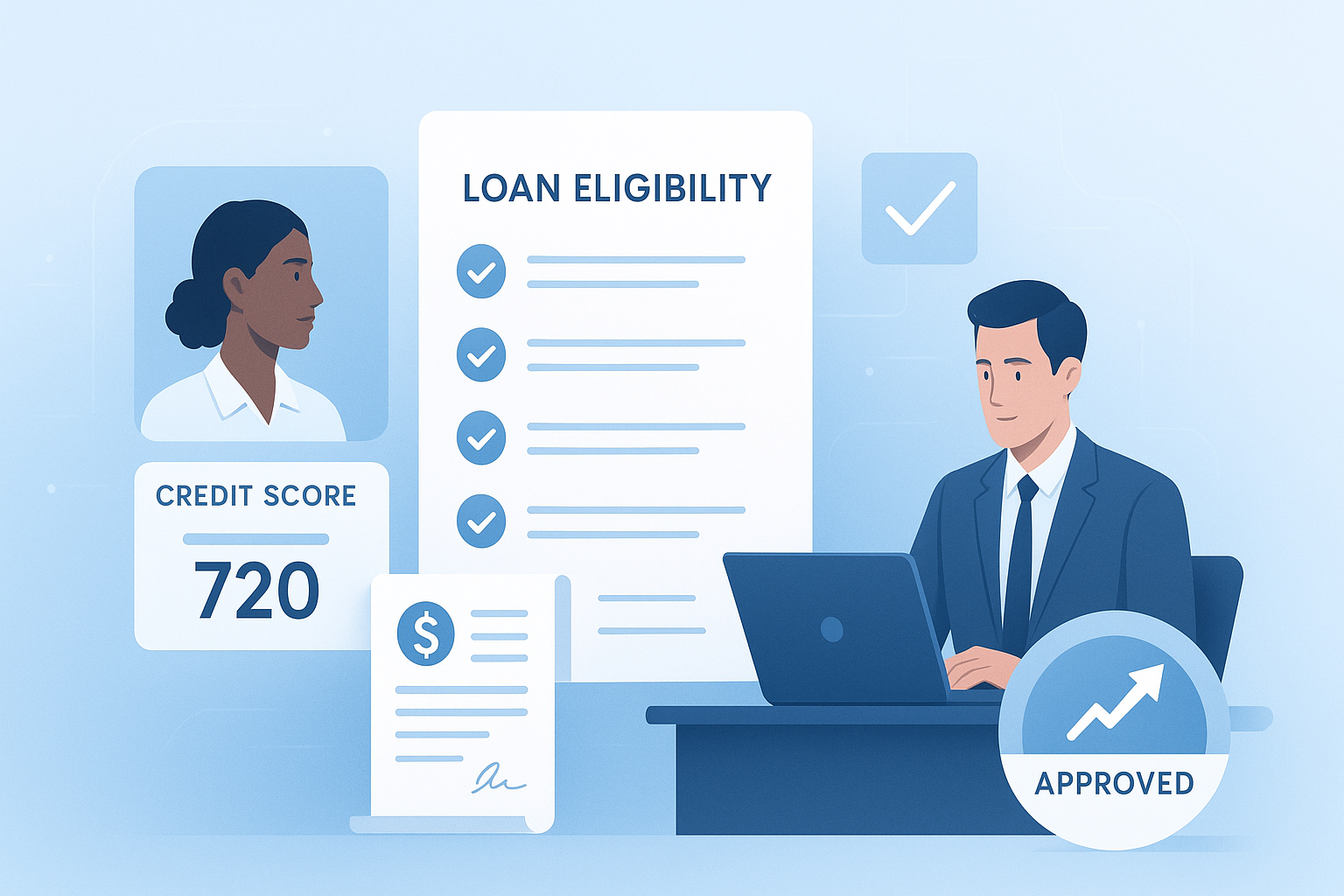
For installment planning, a loan repayment calculator can help you see monthly payment impact before changing your debt strategy.
What are the most common mistakes people make?
Most budgeting problems are not caused by bad tools. They come from bad assumptions.
- Using estimated income that is too high
This creates a false sense of room in the budget. - Ignoring annual expenses
If you only budget monthly bills, your plan is incomplete. - Setting too many goals at once
Focus beats scattered effort. - Forgetting irregular spending
Birthdays, repairs, travel, and fees matter. - Making the budget too strict
A budget with no flexibility usually fails. - Not reviewing the budget regularly
Your plan should change when your life changes. - Treating savings like leftovers
If you save only what remains, there is often nothing left.
How often should you update your budget calculator?
At minimum, once a month.
But certain situations call for immediate updates:
- Your income changes
- You start or finish a loan
- You move to a new home
- You begin saving for a new goal
- Your utility or insurance costs rise
- You have a major life event such as marriage, a child, or career change
Monthly review helps you catch small problems early. It also keeps your goals connected to real life instead of old assumptions.
A simple example of goal-based budgeting
Let’s say your monthly take-home income is $3,500.
Your budget might look like this:
| Category | Monthly Amount |
|---|---|
| Rent and utilities | $1,200 |
| Groceries | $400 |
| Transport | $250 |
| Insurance | $150 |
| Debt payments | $300 |
| Personal and entertainment | $250 |
| Emergency fund goal | $300 |
| Vacation savings goal | $150 |
| Retirement investing | $250 |
| Irregular expenses fund | $150 |
| Total | $3,400 |
This leaves a $100 cushion.
That cushion matters. Budgets that use every dollar too tightly without flexibility often fall apart after one unusual week.
Best practices for smarter money planning
If your goal is long-term success, these habits matter more than perfection.
- Automate savings contributions
- Track spending weekly, not just monthly
- Build a small cash buffer
- Recalculate goals after major life changes
- Use separate accounts for major savings goals if helpful
- Increase goal contributions when income rises
- Review subscriptions and hidden recurring charges
- Keep your budget simple enough to maintain
Can a budget calculator help with investing goals too?
Yes, but with one caution.
A budget calculator tells you how much you can set aside. It does not by itself tell you where to invest or what returns to expect.
For example, if your budget shows you can invest $400 a month, that is the cash flow decision. What happens next depends on the type of investment, time horizon, and expected returns.
That is why many people use a budget calculator first, then use savings, retirement, or investment planning tools for the next layer of strategy.
Frequently Asked Questions
What is the main purpose of a financial goals budget calculator?
Its main purpose is to align your income and expenses with specific money goals, such as saving, debt payoff, or investing. It helps turn general plans into monthly action steps.
How accurate is a budget calculator?
It is only as accurate as the numbers you enter. If you use real income and recent spending data, the results can be very useful for planning.
Can I use a budget calculator if my income is irregular?
Yes. Use your average income or base your plan on your lowest reliable monthly income. This creates a safer budget.
How many financial goals should I budget for at one time?
Usually one to three major goals is manageable. Too many goals at once can spread your money too thin and slow progress.
Should I save money or pay off debt first?
For most people, the best starting point is a small emergency fund plus minimum debt payments. After that, high-interest debt often becomes the next priority.
What is the easiest budgeting method for beginners?
The 50/30/20 budget is often the easiest because it gives simple spending limits for needs, wants, and savings or debt repayment.
How often should I review my financial goals budget?
Review it every month. Update it sooner if your income, expenses, or goals change significantly.
Can a budget calculator help me save for retirement?
Yes. It helps you determine how much room exists in your monthly budget for retirement contributions. You can then pair that with a retirement or investment calculator for growth projections.
What if my budget shows I cannot afford my goals?
You may need to reduce expenses, extend the timeline, increase income, or focus on fewer goals at the same time. The calculator helps reveal which adjustment is most realistic.
Final thoughts
A financial goals budget calculator is not just a budgeting tool. It is a decision tool. It shows whether your current money habits support the future you say you want.
That clarity is powerful.
Once you connect your monthly income to specific goals, budgeting stops feeling like restriction and starts feeling like progress. You are no longer guessing. You are planning with numbers that match real life.
Start simple. Use real data. Focus on a few important goals first. Then review and improve your plan as your finances change. That is how smarter money planning actually works.