
Ever look at your bank balance and wonder where the money went? That feeling usually has less to do with income and more to do with small, repeated habits that quietly drain cash.
The good news is this: you do not need a perfect budget, a finance degree, or a massive salary increase to start saving money fast. What works is a set of practical personal finance tips you can use right away.
This guide breaks down 101 personal finance tips that actually make a difference. You will find quick wins, longer-term habits, and smart ways to cut waste without making life miserable. Where numbers matter, tools like a percentage calculator for budget planning can help you make faster decisions with less guesswork.
What are the best personal finance tips to save money fast?
The best personal finance tips to save money fast are the ones that reduce recurring expenses, stop impulse spending, automate savings, and help you track where your money goes. Fast savings usually come from cutting leaks, not making extreme sacrifices.
- Know your real monthly spending
- Reduce fixed bills first
- Automate transfers to savings
- Pay high-interest debt aggressively
- Use cash limits for weak spending areas
- Compare prices before major purchases
- Review subscriptions and fees every month
Here is the key idea. A $10 mistake repeated every week costs more than a one-time splurge. That is why experienced savers focus on patterns, not perfection.
How can you start saving money today?
If you want to save money today, start with actions you can finish in under an hour. Quick changes create momentum, and momentum makes longer-term habits easier to keep.
- Check your last 30 days of transactions.
- Cancel one unused subscription.
- Move a fixed amount into savings today.
- Set a weekly spending cap for eating out.
- Pick one bill to negotiate this week.
- Pause all non-essential purchases for 48 hours.
Suggested Infographic: First 5 Steps to Save Money Fast
101 personal finance tips to save money fast
Let’s break this down into clear, usable categories. You do not need all 101 at once. Pick 10 that fit your life and start there.
Budgeting and money awareness
- 1. Track every expense for 30 days before changing anything.
- 2. Separate needs, wants, and waste.
- 3. Use last month’s spending as your real baseline, not your guess.
- 4. Build a simple weekly budget, not just a monthly one.
- 5. Create a spending limit for groceries, dining out, and shopping.
- 6. Round up irregular costs like gifts, car repairs, and annual fees.
- 7. Review your bank statements every week.
- 8. Use percentages to split income into essentials, savings, and flexible spending. A ratio calculator for budget categories can make this easier.
- 9. Give every dollar a job before the month starts.
- 10. Adjust your budget after real life happens. A budget is a tool, not a test.
Cutting everyday spending
- 11. Shop with a list and leave when the list is done.
- 12. Never grocery shop hungry.
- 13. Switch from name brands to store brands on basics.
- 14. Compare unit prices, not package prices.
- 15. Plan meals around what you already have.
- 16. Bring coffee or tea from home more often.
- 17. Keep a no-spend day once or twice a week.
- 18. Use a 24-hour rule for small impulse buys.
- 19. Use a 30-day rule for bigger non-essential purchases.
- 20. Stop paying for convenience you barely notice.
Lowering monthly bills
- 21. Call your internet provider and ask for a lower plan or current promotion.
- 22. Compare car insurance rates before renewal.
- 23. Raise deductibles only if your emergency fund can handle them.
- 24. Audit phone plans and remove extra lines or features.
- 25. Review streaming services and keep only what you actually use.
- 26. Refinance expensive debt if the math truly works in your favor.
- 27. Ask for medical bill itemization and verify charges.
- 28. Set utility reminders so you catch spikes early.
- 29. Use energy-saving habits that cost nothing, like adjusting thermostats and unplugging idle devices.
- 30. Review banking fees and switch if necessary. The Consumer Financial Protection Bureau offers reliable guidance on common financial products and fees.
Saving money automatically
- 31. Set an automatic transfer to savings on payday.
- 32. Save raises and bonuses before lifestyle inflation kicks in.
- 33. Split direct deposit if your employer allows it.
- 34. Create separate savings buckets for emergencies, travel, and annual bills.
- 35. Use a rule that sends a percentage of extra income to savings. A decimal to percent calculator can help when you want clean, clear budget targets.
- 36. Increase your automatic savings by a small amount every few months.
- 37. Keep emergency savings in an account that is easy to access but not too easy to spend.
- 38. Treat savings like a required bill.
Debt payoff strategies
- 39. List every debt with balance, rate, and minimum payment.
- 40. Focus extra payments on the highest-interest debt first if your goal is to save the most money.
- 41. Use the smallest-balance method if quick wins keep you motivated.
- 42. Stop adding new debt while paying off old debt.
- 43. Pay more than the minimum whenever possible.
- 44. Use windfalls like tax refunds to knock down balances.
- 45. Review your payoff timeline with a days calculator for debt goal planning if you want a clearer end date.
- 46. Avoid debt settlement offers that sound vague or aggressive.
- 47. Know your rights by reviewing FTC consumer protection resources before signing up for relief programs.
Smarter shopping habits
- 48. Price compare before any purchase over your personal limit.
- 49. Use a shopping list for online purchases too.
- 50. Remove saved card details from favorite stores.
- 51. Unsubscribe from retailer emails that trigger impulse buys.
- 52. Buy off-season when possible.
- 53. Check total cost, including shipping, fees, and required add-ons.
- 54. Use cash for categories where you overspend.
- 55. Wait for replacement needs, not just boredom.
- 56. Borrow, swap, or rent items you will rarely use.
Food and grocery savings
- 57. Plan dinners before going to the store.
- 58. Pick a few low-cost staple meals you genuinely enjoy.
- 59. Cook extra and use leftovers for lunch.
- 60. Freeze food before it goes bad.
- 61. Keep one “use it up” meal every week.
- 62. Limit delivery apps to planned occasions.
- 63. Use pickup instead of in-store shopping if it reduces impulse spending.
- 64. Track cost per meal, not just total grocery spend.
Housing and transportation savings
- 65. If rent is too high, negotiate before moving out.
- 66. Consider roommates, house hacking, or downsizing if housing eats too much of your income.
- 67. Handle simple home maintenance early to avoid bigger repair bills.
- 68. Refinance a mortgage only after calculating total closing costs and savings.
- 69. Drive a reliable used car longer instead of upgrading for status.
- 70. Bundle errands to save fuel and time.
- 71. Check tire pressure and routine maintenance to improve fuel efficiency.
- 72. Compare commuting costs before changing jobs or moving.
Income protection and planning
- 73. Build an emergency fund before chasing higher-risk investments.
- 74. Keep at least one month of essential expenses as an early milestone.
- 75. Review health, auto, renters, or homeowners coverage once a year.
- 76. Understand employer retirement matches and never leave free money unclaimed.
- 77. Increase retirement contributions after each pay raise if you can.
- 78. Use a compound interest calculator for long-term savings growth to see how small monthly contributions can expand over time.
- 79. Learn the basics of inflation, taxes, and risk before investing heavily. The SEC investor education page is a solid place to start.
- 80. Keep beneficiaries and account details updated.
Mindset and behavior changes
- 81. Stop comparing your finances to other people’s visible lifestyle.
- 82. Define what “enough” means for you.
- 83. Make saving a default, not a monthly debate.
- 84. Expect setbacks and plan for them.
- 85. Track progress monthly so you can see improvement.
- 86. Celebrate milestones without undoing them.
- 87. Talk openly with your partner or family about money rules.
- 88. Replace guilt with honest review and better systems.
Big financial wins most people miss
- 89. Negotiate salary when changing jobs or taking on more responsibility.
- 90. Review tax withholding if your take-home pay and refund pattern make no sense.
- 91. Avoid recurring fees on accounts you barely use.
- 92. Sell items you do not use and move the money straight to savings.
- 93. Use sinking funds for predictable yearly expenses.
- 94. Compare total loan cost, not just monthly payment. A loan calculator for repayment planning helps here.
- 95. Read all renewal notices, especially insurance, memberships, and software.
- 96. Avoid buying upgrades just because the monthly payment seems low.
- 97. Review your credit report regularly for errors. You can learn how through the official Annual Credit Report website.
- 98. Learn one basic negotiation script and use it often.
- 99. Put limits on gifts, events, and social spending before the calendar fills up.
- 100. Choose value over appearance on expensive purchases.
- 101. Repeat the habits that worked last month instead of chasing a brand-new system.
Which money-saving changes have the biggest impact?
The fastest way to save money is to target the largest and most frequent expenses first. Housing, transportation, food, insurance, and debt interest usually offer the biggest savings opportunities.
| Expense Area | Typical Savings Speed | Potential Impact |
|---|---|---|
| Subscriptions | Immediate | Low to medium |
| Groceries and dining out | This week | Medium to high |
| Insurance shopping | Within renewal period | Medium |
| Housing changes | Slow | Very high |
| High-interest debt payoff | Months | Very high |
Here’s the problem. Many people focus on tiny cuts and ignore the big leaks. Skipping one coffee helps, but reducing a major monthly bill often matters more.
What mistakes stop people from saving money?
Most saving failures come from three issues: unclear numbers, unrealistic rules, and inconsistent follow-through. People often know they should save, but they do not build a system that makes saving easier than spending.
- Guessing monthly expenses instead of tracking them
- Trying to cut everything at once
- Ignoring fixed bills and focusing only on small treats
- Using credit to cover budget gaps every month
- Failing to plan for annual or irregular expenses
- Not automating savings
- Giving up after one bad month
This is where many people struggle. They think discipline alone should solve the problem. In reality, systems beat willpower.
How do you build a simple monthly money plan?
A simple monthly money plan tells your income where to go before spending happens. It should cover essentials, savings, debt, and flexible spending in a way you can actually maintain.
- Write down monthly take-home income.
- List fixed expenses such as rent, utilities, loans, insurance, and phone.
- Estimate variable spending like groceries, gas, and personal spending from your real history.
- Set a savings target, even if it starts small.
- Assign extra money to debt payoff or emergency savings.
- Review the plan weekly and adjust when needed.
If you like quick visual planning, a monthly average calculator for expense tracking can help smooth out categories that change from week to week.
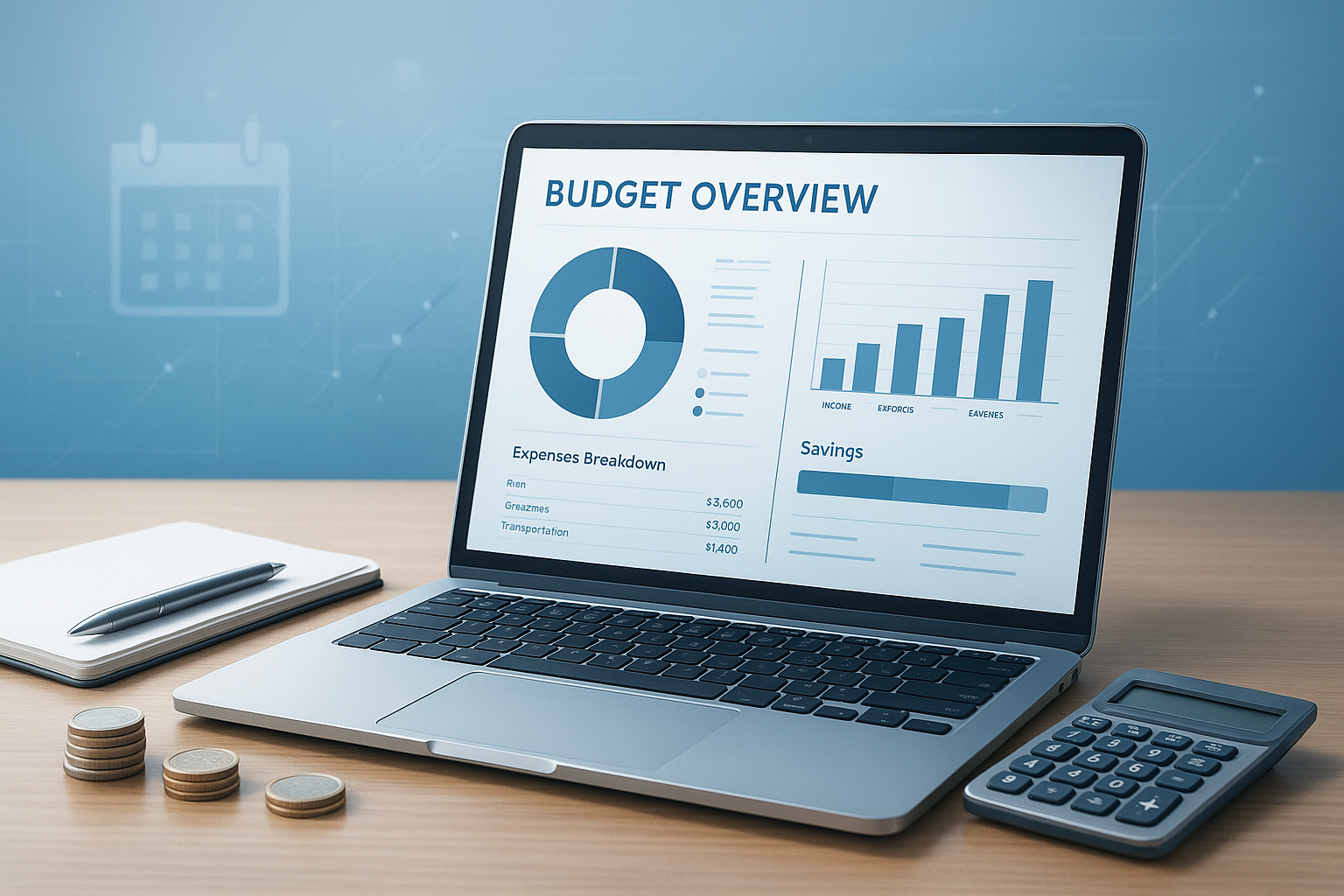
Suggested Screenshot: Simple Monthly Budget Template With Categories
How much should you save each month?
The answer depends on your income, fixed bills, debt, and goals. A useful starting point is to save something consistently, then increase the amount as you cut waste and improve cash flow.
For some people, 5 percent is realistic at first. For others, 10 to 20 percent is possible. What matters most in the beginning is consistency. If you save a smaller amount every month, you build the habit and create room to grow it later.
| Situation | Good Starting Goal |
|---|---|
| High debt and tight cash flow | Save a small emergency buffer first |
| Stable income with few emergencies | Save 10 percent or more if possible |
| Irregular income | Base savings on average monthly income and hold extra cash in a buffer |
Can small habits really make a big financial difference?
Yes, but only when those habits are repeated consistently and tied to larger goals. Small changes matter because they improve cash flow, reduce stress, and free up money for debt payoff, investing, or emergency savings.
Now comes the important part. Small habits work best when you measure them. Saving $50 a week may not feel dramatic, but over a year that becomes $2,600 before any interest. Use a multiplication calculator for annual savings estimates if you want to see how repeated weekly changes add up.
Frequently asked questions
1. What is the fastest way to save money when living paycheck to paycheck?
Start by finding expenses you can reduce immediately without creating bigger problems. Cancel unused subscriptions, pause non-essential shopping, lower food waste, and call at least one service provider to ask about a cheaper plan. Then automate even a small transfer to savings on payday. If your budget is extremely tight, focus first on creating a tiny emergency cushion so one surprise bill does not force you into more debt.
2. Should I save money or pay off debt first?
Usually, you should do both in stages. Build a small emergency fund first so you do not need to rely on credit cards for every surprise expense. After that, focus heavily on high-interest debt while still saving a little each month. If your debt interest rate is very high, paying it down can save more money than keeping large amounts in low-interest savings.
3. How much emergency savings do I need?
A practical first goal is enough to cover a small emergency, such as a minor car repair or medical bill. After that, many people aim for one month of essential expenses, then work toward three to six months depending on job stability, household size, and income predictability. If your income is irregular, a larger buffer is usually smarter.
4. Why do budgets fail so often?
Budgets often fail because they are based on ideal behavior instead of real spending patterns. People underestimate variable expenses, forget irregular costs, and create rules that are too strict to maintain. A budget works better when it reflects your actual habits, includes room for flexible spending, and gets reviewed weekly instead of being ignored until the end of the month.
5. What expenses should I cut first to save money fast?
Start with recurring charges and high-frequency spending. That usually means subscriptions, dining out, delivery fees, impulse shopping, insurance overpayments, and unnecessary upgrades on phone or internet plans. These changes can improve your monthly cash flow quickly. After that, review larger categories like transportation and housing, where even one smart change can produce major long-term savings.
6. Is it better to use cash or cards when trying to save?
The better choice depends on your spending habits. Cash works well for categories where you tend to overspend because it creates a clear stopping point. Cards are useful for tracking purchases and paying bills, but they can also make spending feel less real. If cards lead to debt or impulse buying, use cash or debit for problem areas while keeping cards for planned expenses.
7. How can I save money on groceries without buying unhealthy food?
Focus on planning, not deprivation. Build meals around staples you already enjoy, buy produce in season, cook larger portions, and freeze leftovers before they spoil. Compare unit prices and use store brands where quality is similar. A cheaper grocery bill does not require poor nutrition. It usually comes from fewer impulse buys, less waste, and more intentional meal planning.
8. Do small savings really matter if my big bills are high?
Yes, but they matter most when paired with bigger financial decisions. Cutting small daily expenses improves awareness and frees up quick cash, which is useful for building momentum. Still, your largest wins often come from reducing housing costs, transportation costs, insurance premiums, and debt interest. Think of small savings as habit builders and big savings as structural upgrades.
9. How often should I review my budget and spending?
Weekly is ideal for most people. A quick weekly check helps you catch mistakes early, notice patterns, and adjust spending before the month gets away from you. Monthly reviews are useful for bigger planning decisions, but they are not enough on their own if your spending tends to drift. Frequent review is one of the simplest ways to stay in control of your money.
10. What tools help with personal finance planning?
The most useful tools are the ones that make financial decisions easier and faster. Budget trackers, savings calculators, debt payoff planners, and percentage tools all help. If you need to estimate growth, compare payments, or organize category targets, calculators like a compound interest calculator, loan calculator, and percentage calculator can turn vague goals into numbers you can act on right away.
Final thoughts
Saving money fast rarely comes from one dramatic move. It comes from seeing your money clearly, cutting repeated waste, lowering major bills when possible, and building habits you can keep.
Start simple. Pick a handful of the 101 personal finance tips that fit your life right now. Track spending this week. Cut one recurring expense. Automate one savings transfer. Review one big bill.
If you want help with the math, use practical tools like the compound interest calculator, loan calculator, or percentage calculator to turn good intentions into a clear financial plan.