

Does your loan payment eat up too much of your salary every month? If you’re trying to reduce monthly EMI without throwing your budget off balance, you’re not alone. A high EMI can quietly limit savings, delay goals, and create stress even when you’re earning well.
The good news is that lowering your EMI is often possible. You may not need a new loan, and you may not need to take extreme financial steps. Sometimes a small change in tenure, interest rate, repayment strategy, or lender terms can make a meaningful difference.
This guide breaks down practical ways to reduce your monthly EMI, when each option makes sense, and what to watch out for before making changes. You’ll also see how to compare choices instead of picking the one that only looks cheaper at first glance.
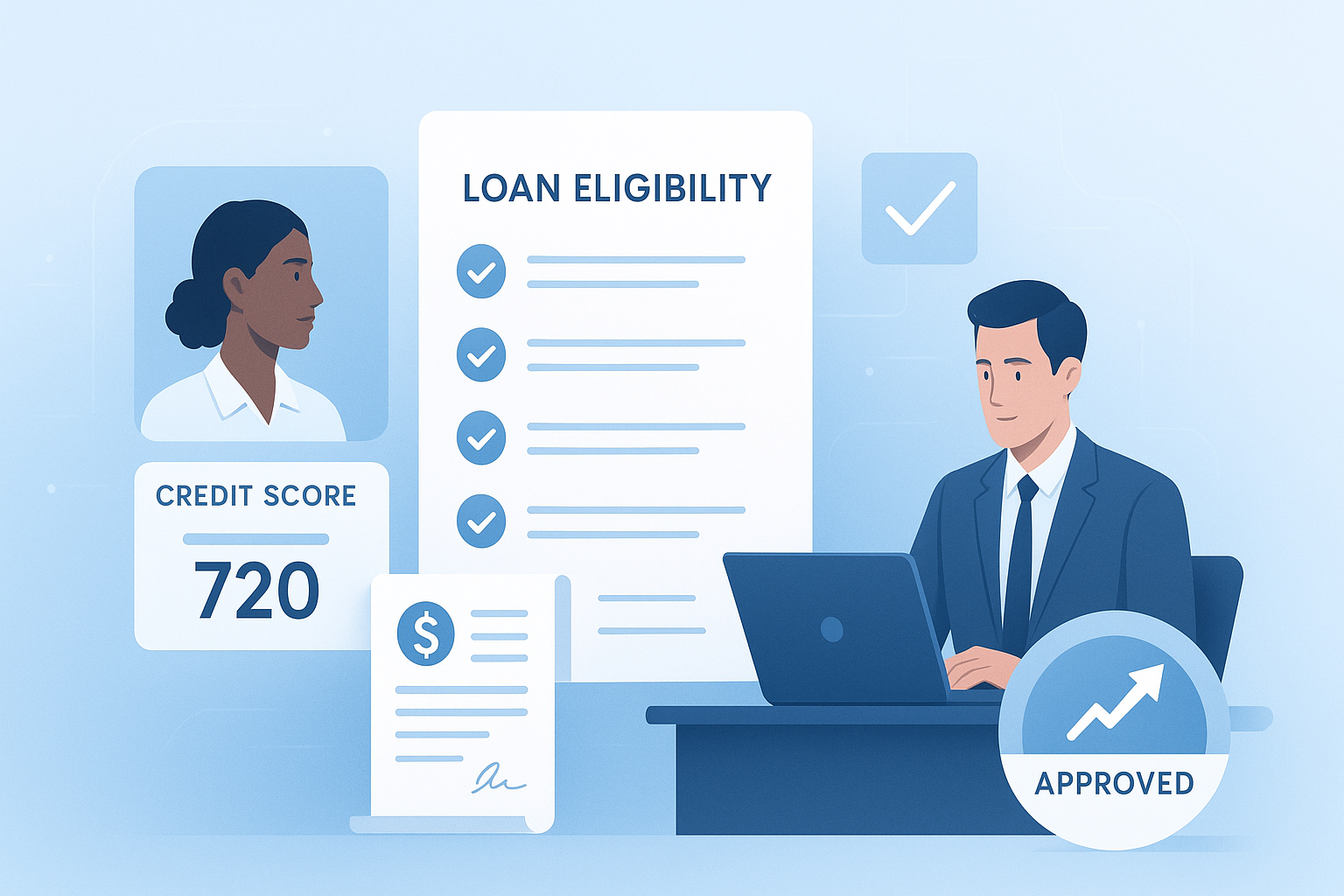
Suggested Image: Finance illustration showing loan EMI reduction options such as prepayment, refinancing, and tenure extension
What does it mean to reduce monthly EMI?
To reduce monthly EMI means lowering the fixed amount you pay every month toward a loan. This usually happens by getting a lower interest rate, extending the repayment period, making a part-prepayment, or moving the loan to better terms.
EMI stands for Equated Monthly Installment. It includes both principal and interest. When you change one part of the loan structure, the EMI changes too. Before making a decision, it helps to estimate the real impact with a repayment tool like the loan calculator.
- Lower EMI can improve monthly cash flow
- Lower EMI may increase total interest if tenure becomes longer
- Best option depends on income stability, loan type, and remaining tenure
- Not every reduction method is cost-effective
Why your EMI feels too high in the first place
A loan becomes hard to manage when the EMI takes too large a share of your take-home income. In personal finance, this often happens when borrowing was planned based on expected income growth, but real life did not follow the plan.
Common reasons include:
- Interest rates went up on a floating-rate loan
- You borrowed at the edge of affordability
- Your loan tenure is too short for your income level
- You took multiple loans at the same time
- Your income fell or expenses increased
- You did not compare offers before signing
Here’s the problem. A lower EMI is helpful only if it supports long-term repayment. If you reduce the amount but sharply increase total interest, you may just be delaying the pressure instead of solving it.
Best ways to reduce your monthly EMI
There are four main ways to reduce monthly EMI: lower the interest rate, extend the tenure, make a part-prepayment, or refinance the loan. The right approach depends on whether your priority is cash flow relief, lower total interest, or both.
1. Negotiate a lower interest rate with your current lender
This is often the simplest place to start. If your repayment record is strong and market rates have softened, your lender may offer a reduced rate without requiring a full refinance.
Ask your lender:
- Can my current rate be revised?
- Is there a conversion fee?
- Will the lower rate reduce EMI or shorten tenure?
- Are there any conditions for approval?
Check current lending standards and borrower rights through official consumer guidance such as the Consumer Financial Protection Bureau loan estimate guidance. If your lender offers a lower rate, compare the fee against the savings before saying yes.
2. Increase the loan tenure
Extending the repayment period usually lowers EMI immediately. This helps when cash flow is tight and you need breathing room now. But this small detail changes everything: a longer tenure almost always means paying more interest overall.
| Option | Monthly EMI | Total Interest | Best For |
|---|---|---|---|
| Shorter tenure | Higher | Lower | Borrowers prioritizing lower total cost |
| Longer tenure | Lower | Higher | Borrowers needing immediate monthly relief |
If you want to estimate the tradeoff over time, a monthly EMI calculator makes the comparison easier.
3. Make a part-prepayment
A lump-sum prepayment reduces the outstanding principal. Once principal drops, the lender may reduce your EMI, shorten the remaining tenure, or let you choose between the two.
This is one of the most effective strategies when you receive:
- A bonus
- Tax refund
- Maturity proceeds from investments
- Incentive payout
- Cash from selling an asset
Before prepaying, confirm whether your lender charges a penalty. Some lenders limit how much can be prepaid in a year. Official disclosures and lending paperwork matter here. The FTC’s guidance on loan-related disclosures is a useful reminder to read terms carefully rather than relying on verbal promises.
4. Refinance or transfer the loan
If another lender offers a significantly lower rate, refinancing can reduce monthly EMI and sometimes total borrowing cost too. This is particularly useful for large loans with many years left.
Now comes the important part. Refinancing is worth considering only if the savings exceed all transfer costs.
- Processing fee
- Legal and administrative charges
- valuation fees for secured loans
- insurance changes
- documentation costs
For planning, use a simple interest calculator for rough estimates and then compare with an amortized EMI schedule from your lender. For broader lender comparison practices, Investopedia’s refinance cost breakdown offers a useful overview.
5. Switch from a fixed-rate trap to a better structured loan
Some borrowers are locked into loan products that no longer fit their situation. A restructuring may help if your current loan has a high fixed rate, bundled charges, or unfavorable terms. This is common when loans were taken during periods of high interest rates.
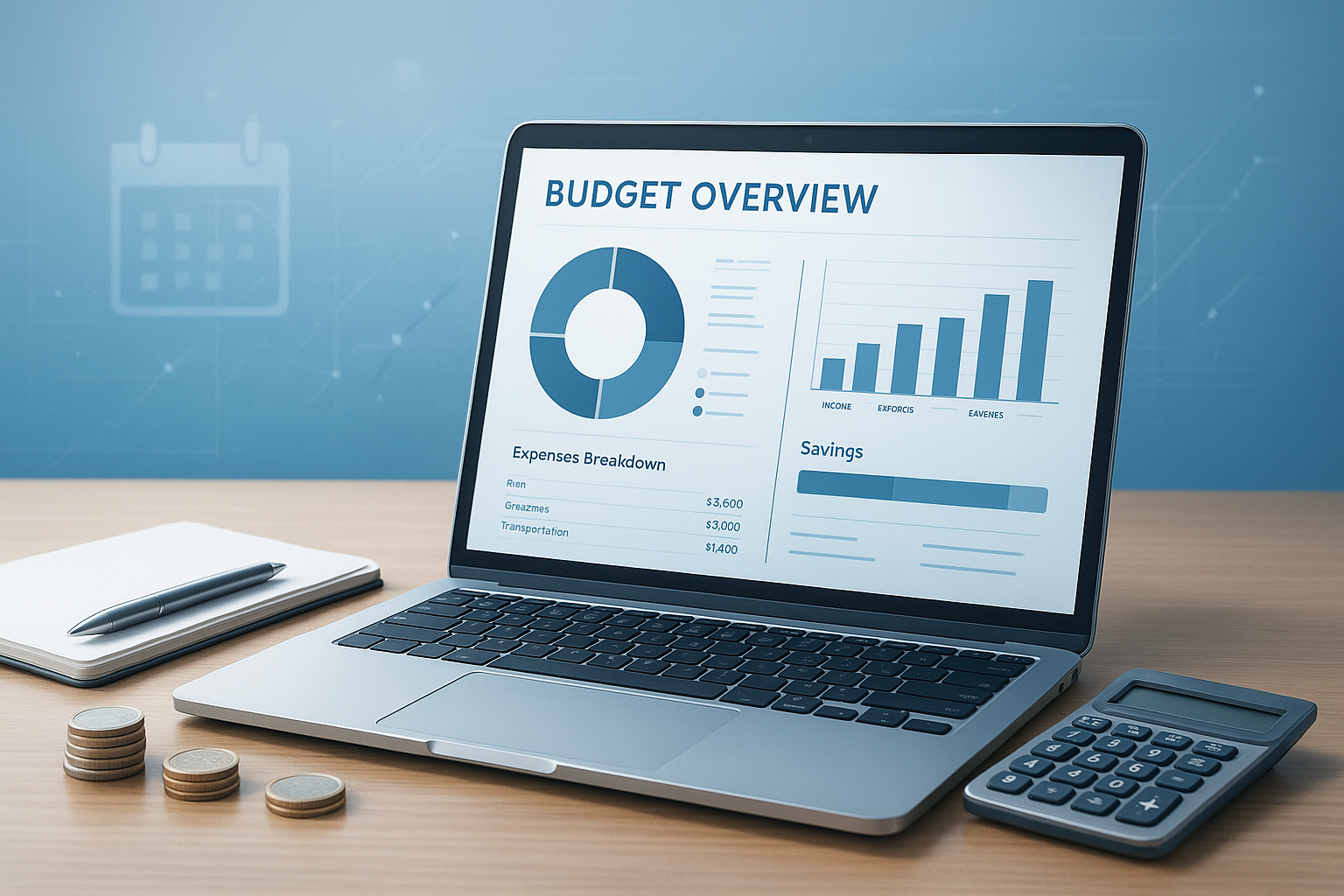
Ask for a complete repayment schedule before agreeing to the switch. If you need to compare monthly affordability against your budget, pairing estimates with a budget calculator can show whether the lower EMI actually improves your finances.
Which option saves the most money?
If your goal is purely lower monthly outflow, extending tenure usually works fastest. If your goal is lower long-term cost, part-prepayment or a lower interest rate tends to be better. The cheapest-looking EMI is not always the smartest choice.
| Method | Reduces EMI Fast? | May Reduce Total Interest? | Main Risk |
|---|---|---|---|
| Lower interest rate | Yes | Yes | Conversion or transfer fees |
| Longer tenure | Yes | No | Higher lifetime interest |
| Part-prepayment | Yes, if lender revises EMI | Usually yes | Reduces emergency savings if overdone |
| Refinancing | Yes | Often yes | Hidden costs and paperwork |
How to decide the right EMI reduction strategy
The answer depends on one thing: are you short on cash each month, or are you trying to lower the total cost of the loan? Once you know that, the right move becomes much clearer.
- Check your current EMI-to-income ratio. If too much of your take-home pay goes to debt, you need monthly relief first.
- Review your emergency fund. Do not use every spare rupee or dollar for prepayment if it leaves you exposed.
- Ask your lender for both options. Compare lower EMI versus shorter tenure after a rate cut or prepayment.
- Calculate total interest. A lower EMI may cost more over the life of the loan.
- Include all fees. Refinancing savings should be net of every cost.
For people juggling more than one debt, a debt payoff calculator can help map the order of repayment and show where EMI pressure is really coming from.
A simple example: lower EMI versus lower total cost
Let’s break this down with a basic scenario. Suppose you have a loan balance of 500,000 at 10% interest with 5 years left. You have two choices: increase tenure to 7 years or prepay 100,000 and keep the original structure as close as possible.
In many cases:
- Extending tenure lowers the monthly EMI more
- Prepaying lowers total interest more
- Refinancing may deliver both if the new rate is meaningfully lower
This is why comparing only the EMI is incomplete. To understand future value and opportunity cost, some borrowers also model whether that same cash could earn more elsewhere using a compound interest calculator. That does not mean you should avoid prepayment. It simply helps you make a decision with numbers, not emotion.
Suggested Infographic: Side-by-side comparison of tenure extension, refinancing, and part-prepayment on EMI and total interest
Common mistakes people make when trying to reduce monthly EMI
Many borrowers focus only on the next month’s payment. That can backfire. A loan decision should improve cash flow without quietly damaging your finances over the next several years.
- Extending tenure too quickly: It lowers the EMI but may add substantial interest.
- Using emergency savings for prepayment: This can force you into fresh debt later.
- Ignoring processing fees: A refinance deal may look better than it is.
- Not checking reset clauses: Floating-rate loans can change more often than expected.
- Taking a new loan to manage old EMI: This often worsens debt stress.
- Skipping the amortization schedule: Without it, you cannot see the real cost.
For general budgeting discipline, the CFPB budgeting resource is a practical place to review repayment capacity before changing loan terms.
When should you not try to lower your EMI?
You should be cautious if the lender’s solution mainly benefits them, not you. A lower EMI is not automatically a better loan. Sometimes keeping the current EMI is wiser if it helps you clear the debt faster and your cash flow is manageable.
You may want to avoid major changes if:
- You are close to finishing the loan
- Transfer fees are too high
- The new tenure becomes much longer
- You would lose important borrower protections
- You would need to wipe out your savings to prepay
If your debt stress is severe, it may be worth reviewing broader debt-relief guidance from the USA.gov debt help page or your country’s official consumer advisory body.
How to talk to your lender effectively
Lenders respond better when you are specific. Do not ask vaguely for help. Ask for exact revisions and request them in writing. This makes comparison easier and reduces misunderstanding later.
Here’s what experienced professionals do differently. They collect quotes, review numbers, and negotiate from a position of preparation.
- Request your current outstanding principal
- Ask for the reset interest rate policy
- Request charges for conversion, restructuring, or foreclosure
- Ask whether part-prepayment reduces EMI or tenure
- Get a revised amortization schedule
- Compare at least two outside offers if refinancing
Loan terms should always be reviewed against official documentation. If you’re in the US, the CFPB explanation of amortization schedules is useful for understanding how each payment is applied.
Practical checklist before you make any EMI change
Before signing anything, run through this short checklist. It takes a few minutes and can prevent a costly decision that looks good only in a headline EMI number.
- Compare old EMI and new EMI
- Compare old total interest and new total interest
- Add every fee and charge
- Check prepayment penalties
- Review your monthly budget after the change
- Keep at least a basic emergency fund intact
- Save the revised repayment schedule
If your income is uneven, a savings calculator can help you decide how much cash to hold back before making any prepayment.
Frequently Asked Questions
Can I reduce monthly EMI without refinancing?
Yes. In many cases, you can reduce monthly EMI by negotiating a lower rate with your current lender, extending the loan tenure, or making a part-prepayment. Refinancing is only one option. It usually makes sense when another lender offers clearly better terms and the savings are large enough to offset all fees and transfer costs.
Is extending loan tenure a good idea?
It can be a good short-term solution if your monthly cash flow is under pressure. A longer tenure lowers your EMI, which can make the loan easier to manage. The downside is that you usually pay more interest overall. It works best when your immediate goal is affordability, not minimizing total borrowing cost.
Does part-prepayment always reduce my EMI?
Not always. After a part-prepayment, some lenders reduce the EMI, while others keep the EMI the same and shorten the remaining tenure. Neither is automatically better. If you need monthly relief, ask for an EMI reduction. If your budget is comfortable, keeping the EMI and shortening the tenure often saves more interest.
How much of my income should go toward EMI?
There is no single rule that fits everyone, but many borrowers become financially stretched when debt payments consume too much of their take-home pay. The right level depends on rent, family expenses, savings needs, and other loans. If your EMI leaves little room for emergencies or basic goals, it is probably too high for your current situation.
Are there charges for reducing my EMI?
Sometimes, yes. The costs may include rate conversion fees, processing charges, refinancing costs, legal fees, valuation fees for secured loans, or prepayment penalties. That is why a lower EMI should never be judged on monthly payment alone. Always ask for the full revised cost structure before approving any change.
Should I use my bonus to prepay the loan?
Usually, a bonus can be a smart source for part-prepayment, especially on high-interest debt. But don’t use all of it automatically. First keep enough for emergency savings, insurance, and near-term essentials. A prepayment helps most when your loan rate is high and the lender allows prepayment without heavy penalties.
Can a floating-rate loan increase my EMI again later?
Yes. If your loan has a floating rate, the lender may revise your EMI or tenure when benchmark rates change. In some cases, the EMI stays the same and the tenure is extended instead. Read the reset terms carefully. A reduced EMI today is not guaranteed to stay unchanged over the full life of the loan.
What is the best tool to compare EMI reduction options?
The best approach is to use more than one calculation. Start with an EMI calculator to compare monthly payments, then review total interest, tenure, and prepayment impact. A budget calculator helps test affordability, and a debt payoff calculator helps if you have multiple loans competing for your monthly cash flow.
Final thoughts on how to reduce your monthly EMI
If you want to reduce monthly EMI, start with the least disruptive option first. Ask your current lender for a rate revision, compare that with a tenure extension, and then check whether a part-prepayment or refinance gives better value. The right solution is the one that improves cash flow without creating a much bigger long-term cost.
Before you decide, calculate the numbers, review all charges, and protect your emergency savings. As a next step, compare scenarios using the loan calculator, monthly EMI calculator, budget calculator, and debt payoff calculator. A lower EMI should bring relief, not a hidden financial tradeoff you notice too late.