
Have you ever opened a JSON file and seen one long line of brackets, quotes, and commas? At that point, even a simple data check can feel impossible. That is exactly why a JSON formatter matters.
A JSON formatter takes messy JSON data and turns it into a clean, readable structure. It helps developers, analysts, testers, and even non-technical users spot errors faster, understand relationships between fields, and work with APIs more confidently.
In this guide, you will learn what a JSON formatter is, how it works, when to use one, and what mistakes to avoid. You will also see how formatting differs from validation, minification, and beautification, plus a few practical tips for handling structured data more efficiently.
What Is a JSON Formatter?
A JSON formatter is a tool that reorganizes JSON data into a readable layout using indentation, line breaks, and consistent spacing. Its main job is to make structured data easier for humans to scan without changing the actual values inside the JSON.
JSON stands for JavaScript Object Notation. It is a lightweight format used to exchange data between systems, applications, and APIs. According to MDN’s guide to JSON, it is one of the most common data formats on the web.
Here is what a formatter typically improves:
- Indentation for nested objects
- Line breaks between properties
- Clear alignment of arrays and values
- Better visibility into brackets, braces, and commas
- Optional syntax highlighting in some tools
If you often work with encoded or transformed data, related utilities can also help. For example, a Base64 Encoder tool is useful when data needs to be converted for transport or embedding.
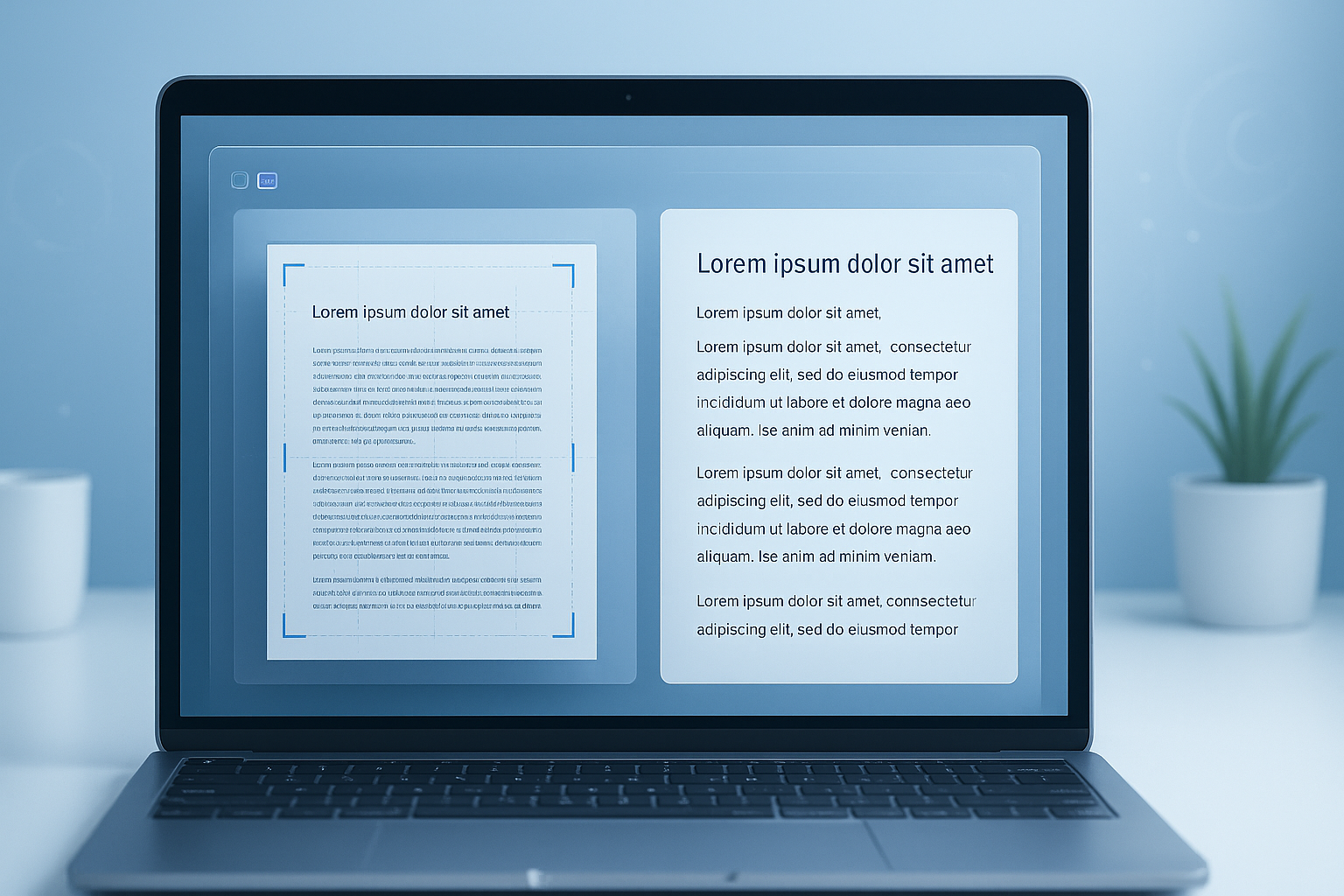
Suggested Screenshot: Raw JSON vs formatted JSON side by side
How Does a JSON Formatter Work?
A JSON formatter reads the JSON structure, parses it according to JSON syntax rules, and then rewrites it in a cleaner layout. It does not invent data or change field names. It simply displays the same information in a more organized way.
Let’s break this down.
- The tool reads the input text.
- It checks whether the text follows valid JSON syntax.
- It identifies objects, arrays, keys, and values.
- It applies spacing and indentation rules.
- It outputs a formatted version that is easier to read.
For example, this:
{"name":"Sam","age":28,"skills":["JSON","API","SEO"]}
becomes this:
{

  "name": "Sam",

  "age": 28,

  "skills": [

    "JSON",

    "API",

    "SEO"

  ]

}
This kind of structure makes debugging much easier. If you also need to inspect encoded links or query strings around API workflows, a URL Decoder tool can help you read transformed data more clearly.
Why Is JSON Formatting Important?
JSON formatting matters because raw JSON is hard to read, easy to misinterpret, and slower to debug. A well-formatted JSON file helps you find missing commas, mismatched brackets, and incorrect nesting before those small errors become bigger development problems.
Here is where many people struggle. They assume formatting is only about appearance. It is not. Readability affects speed, accuracy, collaboration, and troubleshooting.
Key benefits of using a JSON formatter
- Speeds up debugging
- Helps teams review data more easily
- Reduces mistakes when editing structured content
- Makes API responses easier to inspect
- Improves documentation and code examples
Formatting can be especially useful when comparing payloads from different sources. If you need to compare characters, lengths, or payload size while preparing content or code samples, a Word Counter tool can be a simple helper for text analysis.
JSON Formatter vs JSON Validator vs JSON Minifier
These tools are related, but they do different jobs. A JSON formatter improves readability. A validator checks whether the structure is valid. A minifier removes unnecessary whitespace to reduce file size.
This small detail changes everything. Many users think a formatter automatically fixes bad JSON. Some tools show the problem, but they cannot always correct broken syntax for you.
| Tool | Main Purpose | Best For |
|---|---|---|
| JSON Formatter | Makes JSON readable with indentation and spacing | Debugging, reviewing, learning structure |
| JSON Validator | Checks whether JSON syntax is correct | Error detection before use |
| JSON Minifier | Removes whitespace to reduce size | Production payloads, faster transfer |
If you are cleaning code snippets before publishing or sharing them, a HTML Formatter tool can be useful alongside JSON formatting when your workflow includes both markup and data.
What Makes JSON Valid or Invalid?
Valid JSON follows strict syntax rules. Keys must use double quotes, strings must be quoted properly, objects must use braces, arrays must use brackets, and commas must appear in the right places. Even one small mistake can make the entire structure invalid.
The official format is defined by standards such as RFC 8259 for JSON. In practice, most errors come from a short list of avoidable issues.
Common reasons JSON becomes invalid
- Missing comma between properties
- Trailing comma at the end of an object or array
- Using single quotes instead of double quotes
- Unclosed braces or brackets
- Invalid escape characters inside strings
- Adding comments, which standard JSON does not allow
When checking technical content, developers often paste data from different sources. If copied text includes hidden formatting characters, tools like a Text Case Converter or cleanup workflow can help standardize content before review.
Who Uses a JSON Formatter?
A JSON formatter is useful for anyone who reads or edits structured data. Developers use it most often, but it also helps QA teams, data analysts, technical writers, SEO professionals working with schema, and students learning APIs or web development.
Now comes the important part. You do not need to be a programmer to benefit from one.
- Developers: Inspect API requests and responses
- QA testers: Validate payload structure during testing
- SEO specialists: Review schema markup and JSON-LD blocks
- Data analysts: Read exports from tools and dashboards
- Students: Learn nested objects and arrays more easily
- Writers and editors: Check structured content in headless CMS platforms
If you work with web page metadata, pairing your data workflow with a Meta Tag Generator can help when technical SEO tasks overlap with structured data implementation.
How to Use a JSON Formatter Step by Step
Using a JSON formatter is usually simple. You paste your JSON into the tool, run the formatting action, and review the output. If the data is invalid, the tool may return an error message showing where the issue begins.
- Copy the raw JSON from your file, API response, or code editor.
- Paste it into the JSON formatter input field.
- Click the format or beautify action.
- Review the indented result.
- If there is an error, check the reported line or character position.
- Correct the syntax issue and format again.
- Copy the cleaned JSON back into your project if needed.
Suggested Screenshot: JSON formatter interface with input, output, and error highlight
If your workflow includes compressed assets for documentation or development tutorials, an Image Compressor can help keep screenshots lightweight without hurting readability.
What Does Formatted JSON Look Like?
Formatted JSON is structured so each level of nesting is clearly visible. Objects and arrays are broken across lines, and each key-value pair appears in a predictable place. That structure helps you understand relationships inside the data at a glance.
Here is a simple comparison.
| Raw JSON | Formatted JSON |
|---|---|
{"user":{"id":12,"name":"Ava","active":true},"roles":["admin","editor"]} |
{ |
The data itself is identical. Only the presentation changes. That is why formatting is safe when you simply need better visibility.
Best Practices for Formatting JSON
The best JSON formatting approach is consistent, readable, and syntax-safe. Good formatting helps teams collaborate, review data quickly, and avoid accidental edits that break the structure.
Here’s what experienced professionals do differently.
- Use consistent indentation, usually two or four spaces
- Keep keys descriptive and predictable
- Avoid deeply nested structures when possible
- Validate JSON after manual edits
- Use UTF-8 safe editors for international text
- Store examples in readable format for documentation
- Minify only when needed for production delivery
For front-end documentation and structured examples, it also helps to review standards from W3C’s JSON-LD specification when your JSON is used for linked data or schema markup.
Common JSON Formatter Mistakes to Avoid
The biggest mistake is assuming formatting fixes broken JSON automatically. It often does not. A formatter can reveal the problem, but if the syntax is invalid, you still need to correct the source data manually.
Let’s look at the most common issues.
- Pasting JavaScript objects and expecting them to behave like strict JSON
- Using comments inside JSON
- Leaving trailing commas after the last item
- Breaking quote marks when copying from rich text editors
- Confusing formatted JSON with validated JSON
- Editing nested arrays without checking closing brackets
If you move content between systems often, checking raw text before formatting can save time. A Remove Line Breaks tool may help when copied content is full of unwanted spacing before you rebuild it into valid JSON.
When Should You Format JSON and When Should You Minify It?
Format JSON when humans need to read it. Minify JSON when machines need to transfer it efficiently. The right choice depends on whether you are debugging, documenting, storing, or sending the data.
This is where context matters most.
| Situation | Better Choice | Why |
|---|---|---|
| Debugging an API response | Format | You need clear structure |
| Adding examples to documentation | Format | Readers need readability |
| Sending data in production | Minify | Smaller payload size |
| Editing nested objects manually | Format | Less chance of syntax mistakes |
How JSON Formatters Help with SEO and Structured Data
JSON formatters are useful in SEO because structured data often uses JSON-LD. Clean formatting makes it easier to review schema fields, spot errors, and confirm that required properties are present before publishing a page.
Google explains structured data implementation in its structured data documentation. While search engines do not care about indentation, people do. Readable code lowers the chance of invalid markup being deployed.
- Review product schema more easily
- Check article and FAQ markup before launch
- Find missing fields in JSON-LD blocks
- Audit generated schema from plugins or CMS tools
If you are optimizing content pages, a Keyword Density Checker can support on-page review while JSON formatting helps you validate the technical SEO side of the page structure.
Can a JSON Formatter Fix Errors Automatically?
Sometimes, but not always. A JSON formatter can only format data that it can parse. If the syntax is broken badly enough, the tool may stop and show an error instead of producing a clean result.
Here is the practical answer:
- If the JSON is valid, the formatter will usually organize it instantly.
- If the JSON has a small issue, some tools may point to the broken line.
- If the structure is invalid, you must correct the source before formatting works.
This is why validation matters. Formatting is about readability. Validation is about correctness. You often need both.
Frequently Asked Questions
1. What is the main purpose of a JSON formatter?
A JSON formatter makes JSON data easier to read by adding indentation, spacing, and line breaks. It does not change the meaning of the data. It simply reorganizes the presentation so humans can scan objects, arrays, and key-value pairs more clearly. This is especially helpful when debugging APIs, reviewing schema markup, or editing nested structures manually.
2. Is a JSON formatter the same as a JSON validator?
No. A JSON formatter focuses on readability, while a JSON validator checks whether the syntax is correct. Some tools combine both functions, but they still perform separate tasks. A file can be valid but hard to read, or easy to read after formatting but still contain a logic problem in the data itself.
3. Can formatting JSON break my data?
In normal use, formatting should not break valid JSON because it only changes whitespace and layout. It does not alter property names, values, or nesting. Problems usually happen when someone manually edits the output afterward and introduces mistakes like missing commas or mismatched brackets. That is why it is smart to validate after editing.
4. Why does my JSON formatter show an error instead of formatting the text?
This usually means the input is not valid JSON. Common causes include trailing commas, missing quotes, unclosed braces, or comments inside the data. The formatter cannot organize what it cannot parse. Check the error location, fix the syntax issue, and then try formatting again. In many tools, the reported line number points close to the real problem.
5. When should I use formatted JSON instead of minified JSON?
Use formatted JSON when people need to read or edit it, such as during testing, debugging, documentation, or learning. Use minified JSON when reducing file size matters, such as sending data in production environments. The content is the same in both cases. The difference is whether readability or transfer efficiency matters more at that moment.
6. Do search engines care if JSON-LD is formatted?
Search engines care that JSON-LD is valid and correctly implemented, not whether it is pretty. Formatting mainly helps humans review the code before publishing. Clean formatting can reduce mistakes during implementation, which indirectly improves SEO by making structured data easier to maintain and audit across pages.
7. Is JSON the same as a JavaScript object?
Not exactly. JSON looks similar to JavaScript object syntax, but it follows stricter rules. JSON requires double quotes around keys and strings, does not allow comments, and supports a limited set of data types. A JavaScript object may work in code while failing as JSON if it includes unsupported syntax.
8. Can beginners use a JSON formatter effectively?
Yes. In fact, beginners often benefit the most because formatted JSON makes the structure easier to understand. It helps new users see how objects, arrays, keys, and values connect. Instead of staring at one long line of text, they can learn the pattern of structured data step by step.
9. Are online JSON formatters safe to use?
They can be safe for non-sensitive data, but caution is important. If your JSON includes passwords, private user information, API secrets, or company data, avoid pasting it into unknown online tools. Use trusted platforms or local tools instead. Always assume sensitive payloads should be handled in secure environments.
10. What should I check before sharing formatted JSON with a team?
Make sure the JSON is valid, readable, and free of sensitive data. Confirm that field names are correct, nested structures are complete, and placeholder values are clearly labeled if the file is for documentation. If the JSON supports a tutorial or report, formatted output is usually the best version to share because it reduces confusion.
Final Thoughts
A JSON formatter is a simple tool, but it solves a very real problem. Raw JSON is difficult to read, easy to misread, and frustrating to debug. Formatting turns that clutter into structure.
If you work with APIs, schema markup, application data, or technical documentation, using a formatter should be part of your normal workflow. It helps you catch mistakes sooner, understand nested data faster, and collaborate more smoothly.
And if your work extends beyond JSON, related utilities like an HTML Formatter tool, Meta Tag Generator, or Image Compressor can help streamline the rest of your content and development process in practical ways.