
Do you know where your money goes each month, or do you only notice it when your account balance looks lower than expected?
That gap between earning and actually managing money is where most financial stress begins. People often think financial planning is complicated, but the truth is simpler. If you can track income, sort expenses, and make a few smart decisions ahead of time, you can take control of your finances without feeling overwhelmed.
A financial planning checklist gives structure to that process. A budget calculator makes it easier by turning rough guesses into clear numbers. In this guide, you’ll learn how to build a practical money plan, what to include in your checklist, which mistakes to avoid, and how to use a budget tool to make better choices with your income.
What is a financial planning checklist?
A financial planning checklist is a step-by-step list of money tasks that helps you organize your financial life. It covers income, spending, savings, debt, goals, and protection. Instead of reacting to money problems after they happen, you plan for them in advance.
Think of it as a personal system for making sure your finances are working in the right order. It helps answer questions like:
- How much money do I bring in every month?
- What are my fixed and variable expenses?
- Am I saving enough?
- Do I have high-interest debt that needs attention?
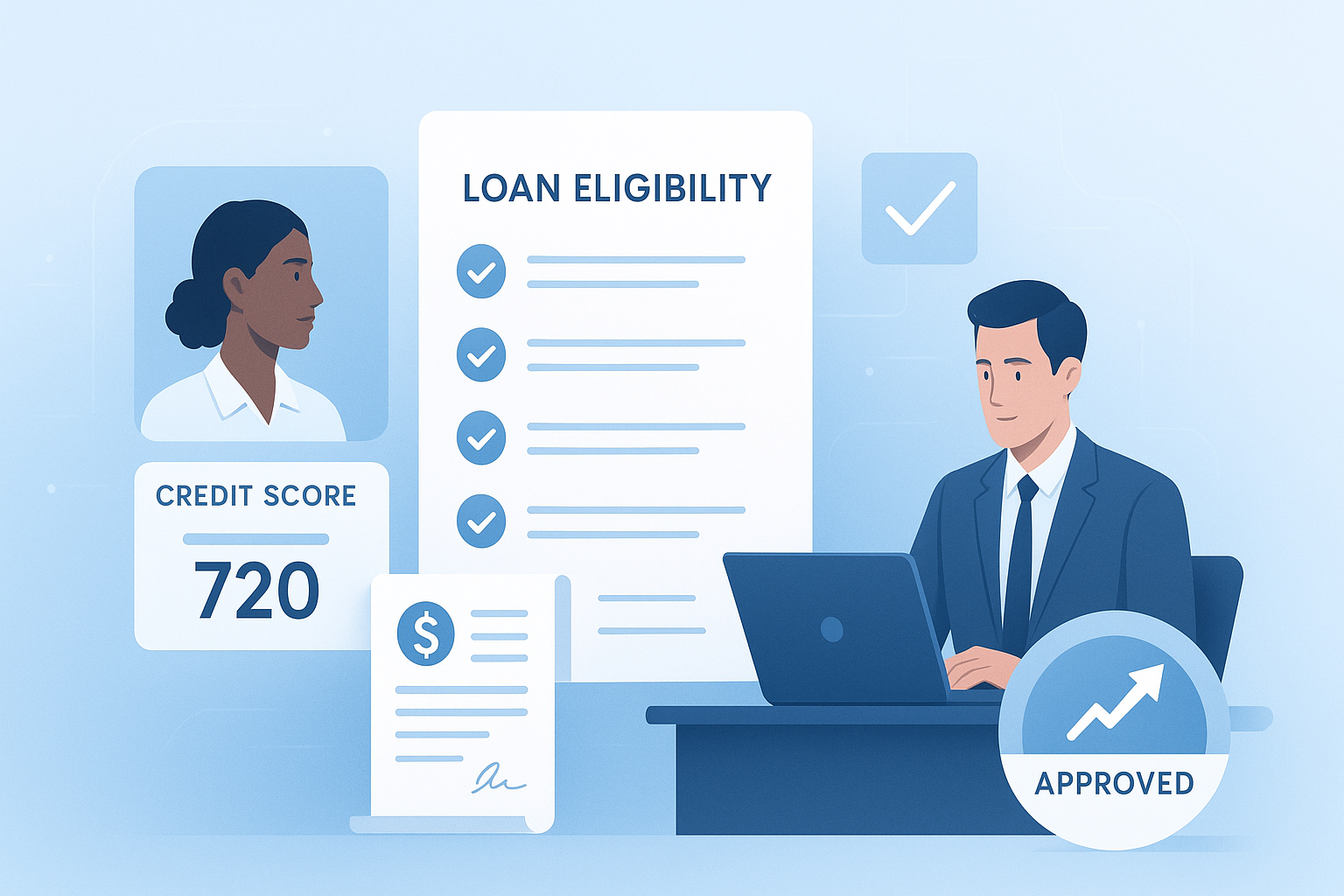
- Can I afford a loan, home, or large purchase?
- Am I investing for the future?
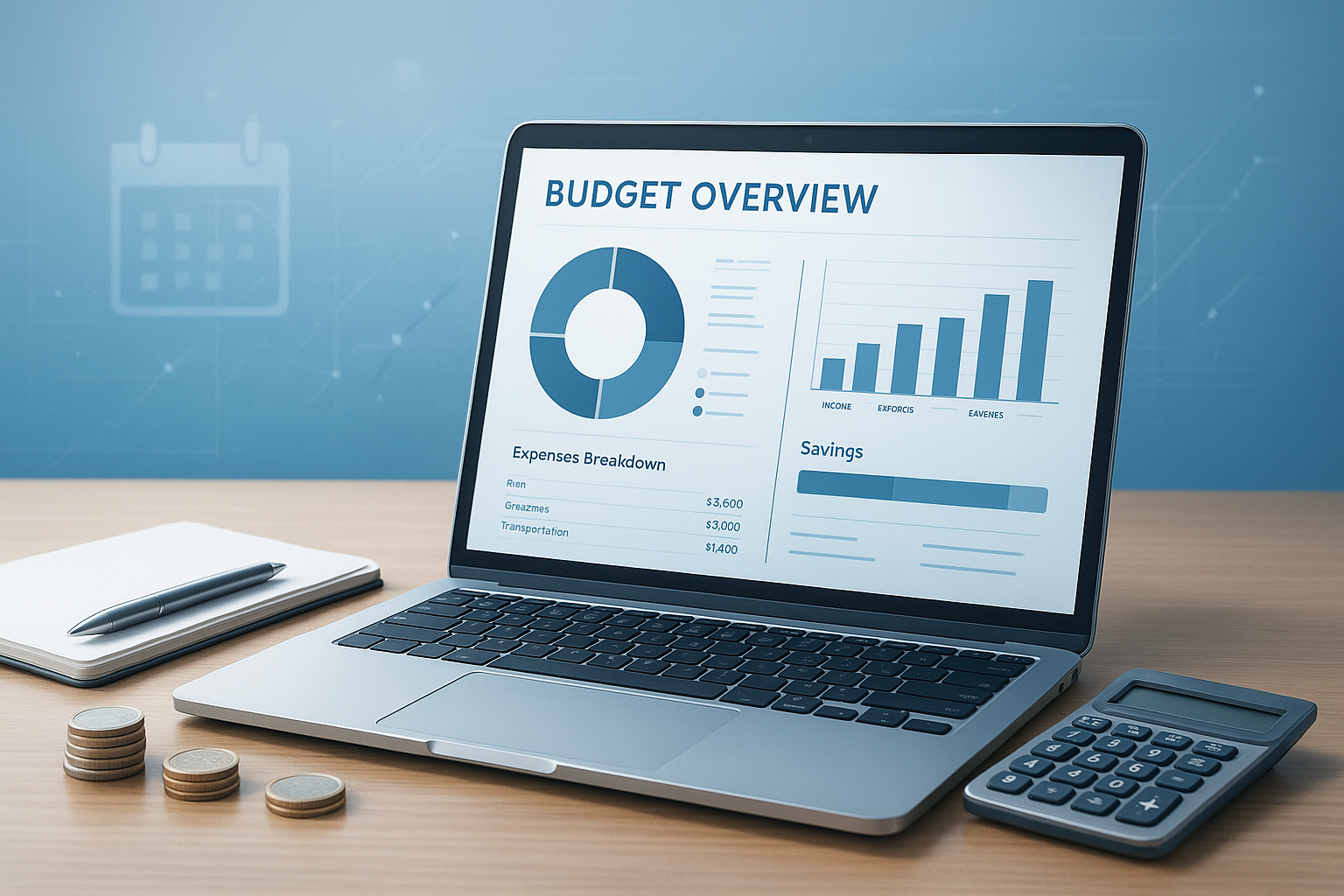
This is where a budget planner calculator becomes useful. It gives you a clear view of your cash flow so you can make decisions based on actual numbers, not assumptions.
Why does a budget calculator matter for smarter money management?
Here’s the problem. Many people create financial goals without knowing what their current budget allows. They want to save more, invest more, or pay off debt faster, but they haven’t measured how much room exists in their monthly finances.
A budget calculator solves that. It helps you:
- Track monthly income
- Categorize spending
- Identify wasteful expenses
- See how much you can save
- Adjust your plan before financial pressure builds
- Create realistic goals
This small detail changes everything. When you can see the numbers in one place, financial planning becomes less emotional and more practical.
The complete financial planning checklist
Let’s break this down into the core parts of a working financial plan.
1. Calculate your total monthly income
Start with the money that actually reaches you. Use your net income, not just your salary before deductions.
Include:
- Salary or wages
- Freelance income
- Business income
- Rental income
- Side hustle earnings
- Bonuses if they are consistent
If your income changes every month, use a conservative average from the last 6 to 12 months.
2. List all fixed expenses
Fixed expenses are the bills that usually stay the same each month.
- Rent or mortgage
- Insurance
- Loan payments
- School fees
- Subscriptions
- Internet and phone plans
If you’re buying a home or reviewing housing costs, a mortgage payment calculator can help estimate what fits your budget before you commit.
3. Track variable expenses
This is where many people struggle. Variable expenses shift from month to month, and they often cause budgets to fail because they are underestimated.
Examples include:
- Groceries
- Transportation
- Eating out
- Entertainment
- Shopping
- Medical costs
- Utility bills
Review your last three months of spending if possible. That gives you a more honest estimate than using memory alone.
4. Build an emergency fund
An emergency fund protects your budget from unexpected shocks. Without it, one car repair, health bill, or job interruption can push you into debt.
A good starting goal is:
- 1 month of essential expenses for beginners
- 3 to 6 months of essential expenses for stability
- More for freelancers or variable-income households
Your emergency fund should be separate from everyday spending money. It needs to be easy to access, but not so easy that you spend it casually.
5. Review debt and interest rates
Not all debt is equally harmful. High-interest debt usually deserves faster action because it drains future financial flexibility.
List:
- Credit cards
- Personal loans
- Car loans
- Student loans
- Home loans
For each debt, note:
- Total balance
- Interest rate
- Minimum payment
- Remaining term
If you are evaluating borrowing costs or monthly repayments, an EMI and loan calculator can show how different loan amounts, rates, and tenures affect your budget.
6. Set financial goals by timeline
Now comes the important part. A budget is not just about controlling spending. It should support real goals.
Divide your goals into three categories:
| Goal Type | Time Frame | Examples |
|---|---|---|
| Short-term | 0 to 12 months | Emergency fund, travel, small debt payoff |
| Medium-term | 1 to 5 years | Car purchase, house down payment, education fund |
| Long-term | 5+ years | Retirement, wealth building, children’s future |
Each goal should include a target amount and a monthly contribution amount. Vague goals rarely become action.
7. Plan savings and investments
Saving and investing are not the same. Savings protect short-term needs. Investments help money grow over time.
Here’s a simple way to think about it:
- Emergency savings for protection
- Short-term savings for planned expenses
- Long-term investments for future growth
If you want to estimate how regular investing may grow over time, a SIP investment calculator is useful for planning monthly contributions and long-term outcomes.
8. Account for taxes
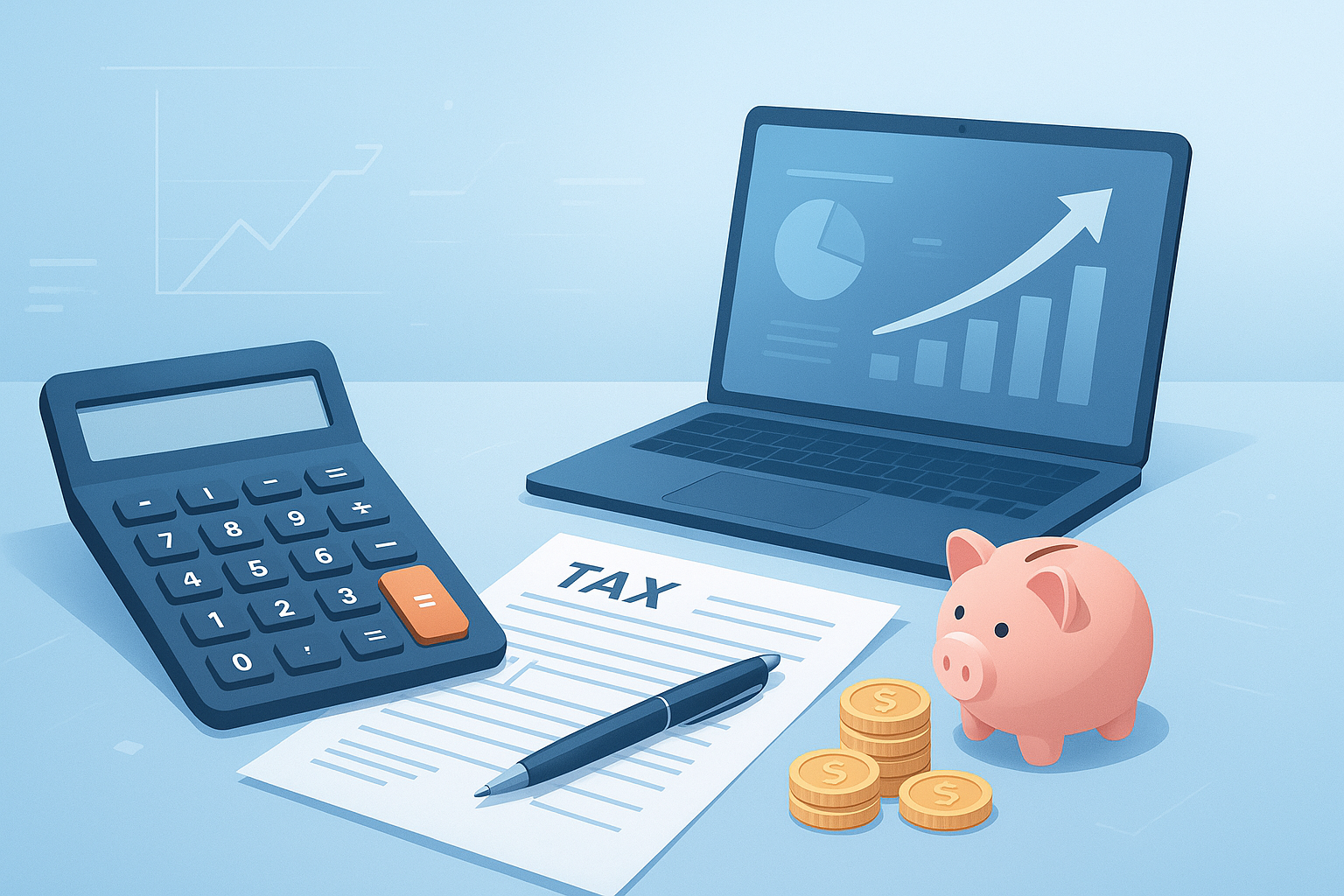
Taxes are often ignored until they create cash flow problems. If you are salaried, self-employed, or have multiple income sources, tax planning should be part of your checklist.
At a basic level, ask:
- How much tax is being deducted?
- Do I need to set aside money separately?
- Will bonuses, freelance income, or capital gains affect my tax liability?
Good financial planning works better when taxes are treated as a planned expense, not a surprise.
9. Review insurance coverage
A complete financial checklist should include protection. Insurance is not exciting, but it prevents one crisis from undoing years of progress.
Review relevant coverage such as:
- Health insurance
- Life insurance
- Disability protection
- Home or renter’s insurance
- Vehicle insurance
The goal is not to buy every policy. The goal is to identify major risks and make sure your finances can survive them.
10. Schedule regular reviews
A budget is not something you create once and forget. Income changes. Expenses rise. Goals shift. Good financial planning depends on regular review.
A practical review schedule looks like this:
- Weekly check for spending awareness
- Monthly budget review and adjustments
- Quarterly goal review
- Annual full financial review
How to use a budget calculator step by step
Let’s look at the process in a simple, usable way.
- Enter your total monthly income after deductions.
- Add fixed expenses such as rent, school fees, insurance, and loan payments.
- Add variable expenses based on actual past spending.
- Include savings and investment contributions as planned allocations.
- Compare total expenses with income.
- Adjust categories until your budget becomes realistic and sustainable.
- Set a monthly review date.
The answer depends on one thing: accuracy. If the numbers are honest, the budget becomes useful. If the numbers are guesses, the plan will break quickly.
Sample monthly budget breakdown
Here is a simple example of how a budget calculator can organize money.
| Category | Amount | Notes |
|---|---|---|
| Monthly income | $4,000 | Net income |
| Housing | $1,200 | Rent or mortgage |
| Utilities | $200 | Electricity, water, internet |
| Groceries | $400 | Household food spending |
| Transport | $250 | Fuel or commute |
| Insurance | $150 | Health or vehicle |
| Debt payments | $300 | Loans or credit cards |
| Savings | $500 | Emergency and goals |
| Investments | $300 | Long-term growth |
| Lifestyle spending | $400 | Dining, shopping, entertainment |
| Remaining buffer | $300 | Flex room for irregular costs |
This kind of layout helps you see trade-offs clearly. If savings are too low, you know which category may need adjustment.
What percentage of income should go to each category?
There is no perfect budget ratio for everyone, but guidelines can help. A common starting point is the 50/30/20 rule:
- 50% for needs
- 30% for wants
- 20% for savings and debt repayment
Still, real life does not always fit clean percentages. In expensive cities, housing may take more. If you are paying off debt, your savings and debt category may be higher for a while.
If you need help checking ratios quickly, a percentage calculator for budgeting can help measure exactly how much of your income each category uses.
Best practices for smarter money management
Here’s what experienced professionals do differently. They do not rely on motivation alone. They build systems that make good decisions easier.
- Track spending from real transactions, not memory
- Automate savings where possible
- Separate emergency savings from daily spending
- Review subscriptions every few months
- Plan for annual expenses monthly
- Use realistic categories instead of idealized ones
- Adjust quickly when income changes
- Keep a small buffer to avoid overdrafts or missed payments
Common budgeting mistakes to avoid
Most budgets fail for predictable reasons. Let’s look at the most common ones.
Ignoring irregular expenses
Car maintenance, gifts, medical costs, school events, and annual renewals do not happen every month, but they still need to be planned for.
Underestimating lifestyle spending
Small purchases add up fast. Coffee, food delivery, impulse shopping, and app charges often create silent budget leaks.
Setting unrealistic savings goals
Trying to save half your income overnight may look ambitious, but it usually fails. A sustainable plan works better than an extreme one.
Not reviewing the budget
A budget only works when it stays current. Old numbers create false confidence.
Treating debt as normal
Debt may feel manageable until interest compounds over time. Tracking it closely helps protect cash flow.
Financial planning checklist for different life stages
Your financial priorities change with age, income, and responsibilities. The checklist should reflect that.
| Life Stage | Main Focus | Priority Actions |
|---|---|---|
| Early career | Stability | Build budget, start emergency fund, avoid high-interest debt |
| Married or family stage | Protection and planning | Review insurance, manage childcare and housing, increase savings |
| Mid-career | Growth | Invest more, reduce large debts, plan education and retirement |
| Pre-retirement | Security | Boost retirement contributions, lower risk, review long-term withdrawals |
How often should you update your financial plan?
You should review your financial planning checklist anytime one of these changes happens:
- Your income goes up or down
- You take a new loan
- You move to a new home
- You get married
- You have a child
- Your insurance costs change
- Your savings goals change
- You start or stop investing
Even without major life events, a monthly review is a smart habit.
Frequently Asked Questions
What should be included in a financial planning checklist?
A solid checklist should include income, monthly expenses, savings, emergency fund planning, debt review, insurance, taxes, investment goals, and regular financial reviews.
How does a budget calculator help with financial planning?
A budget calculator shows how much money you earn, spend, save, and owe. It helps you make decisions using actual numbers instead of rough estimates.
How much should I save every month?
The amount depends on your income, expenses, debt, and goals. A common starting point is at least 20% of income, but even smaller consistent savings can make a difference.
What is the difference between budgeting and financial planning?
Budgeting focuses on monthly cash flow. Financial planning is broader. It includes budgeting, saving, debt management, investing, taxes, insurance, and long-term goals.
Should I pay off debt or save first?
In most cases, do both. Build a small emergency fund first, then focus more aggressively on high-interest debt while continuing some level of savings.
What is the best budget method for beginners?
A simple monthly budget with clear categories is often the easiest starting point. The best method is the one you can maintain consistently.
How often should I use a budget calculator?
At least once a month. It is also useful whenever your income, expenses, or financial goals change.
Can a budget calculator help with irregular income?
Yes. It can help you use an average monthly income, prioritize essential expenses, and create a buffer for lower-income months.
Final thoughts
Smart money management does not start with complicated strategies. It starts with clarity. A financial planning checklist gives you the structure. A budget calculator gives you the numbers. Together, they help you make better choices with less stress.
If you want your finances to improve, start with the basics and do them well. Know what you earn. Know what you spend. Protect yourself from surprises. Save with purpose. Review your plan regularly. That is how financial confidence is built in real life.
The good news is you do not need to fix everything at once. Start with one honest budget review, then build from there.