
One unexpected expense can wreck a carefully planned month. A car repair, a medical bill, or a sudden job loss can force you to use credit cards, borrow money, or dip into long-term savings. That is exactly why an emergency fund matters.
Most people know they should save for emergencies. The hard part is figuring out how much to save, where that money should come from, and how to fit it into a real budget without feeling deprived.
This emergency fund guide will help you build a budget that works in everyday life. You’ll learn how much to save, how to set a realistic monthly target, which mistakes to avoid, and how to use simple tools to stay on track.
What is an emergency fund?
An emergency fund is money set aside for urgent, unplanned expenses. It acts as a financial buffer when life does not go according to plan.
This money is not for vacations, gifts, shopping, or planned annual bills. It is meant for true emergencies such as:
- Job loss or reduced income
- Unexpected medical expenses
- Car repairs
- Essential home repairs
- Urgent travel for family emergencies
- Temporary replacement of damaged essentials
The main purpose of an emergency fund is simple. It helps you handle financial shocks without taking on debt or disrupting long-term goals.
Why is an emergency fund important?
Here’s the problem. Many people build budgets that work only when nothing goes wrong. But real life always includes surprise costs.
Without emergency savings, even a small setback can lead to:
- Credit card debt
- Missed loan payments
- Late fees
- Stress and poor financial decisions
- Using retirement or investment money too early
An emergency fund gives you time, flexibility, and peace of mind. It also makes your budget stronger because you are planning for uncertainty instead of pretending it will not happen.
How much should you keep in an emergency fund?
The answer depends on one thing: how stable your income and expenses are.
A common rule is to save three to six months of essential living expenses. In some cases, more makes sense.
| Situation | Suggested emergency fund |
|---|---|
| Stable salaried job, low dependents | 3 months of essential expenses |
| Single income household | 4 to 6 months of essential expenses |
| Freelancer, business owner, variable income | 6 to 12 months of essential expenses |
| High medical needs or major financial obligations | 6 months or more |
Essential expenses usually include:
- Rent or mortgage
- Groceries
- Utilities
- Insurance
- Transport
- Loan minimum payments
- Basic medical costs
- School or childcare essentials
Do not calculate your target using your full lifestyle spending. Focus on what you must pay to keep life running.
Quick example
If your essential monthly expenses are 40,000, then:
- 3 months = 120,000
- 6 months = 240,000
That number may look large at first. That is normal. The goal is not to save it overnight. The goal is to build it step by step.
How do you calculate your emergency fund target?
Let’s break this down into a simple process.
- List your non-negotiable monthly expenses.
- Remove optional spending like dining out, entertainment, and shopping.
- Add up the essential total.
- Multiply that number by 3, 6, or more depending on your situation.
If you want a faster way to estimate your monthly outflow, use an expense calculator for monthly essentials. It helps you separate necessary costs from optional ones, which is the foundation of a realistic emergency savings plan.
What makes a budget actually work for emergency savings?
This is where many people struggle. They try to save whatever is left at the end of the month. Usually, nothing is left.
A working budget gives emergency savings a fixed role. It treats the fund as a planned priority, not a lucky leftover.
A practical budget should do three things:
- Cover your current needs
- Make room for future surprises
- Stay realistic enough to follow every month
If your budget feels perfect on paper but impossible in real life, it will not last.
Step by step: build a budget that supports your emergency fund
1. Start with your monthly income
Use your actual take-home income, not gross salary. If your income changes from month to month, use a conservative average based on the lower end of recent earnings.
People with irregular income should be extra careful here. It is better to underestimate income than overestimate it.
2. Separate fixed and variable expenses
Fixed expenses stay fairly stable. Variable expenses change from month to month.
| Fixed expenses | Variable expenses |
|---|---|
| Rent | Groceries |
| Insurance | Fuel |
| EMI payments | Electricity |
| School fees | Eating out |
| Subscriptions | Personal spending |
Once you know where your money goes, it becomes easier to find space for emergency savings.
3. Set a minimum monthly savings amount
Now comes the important part. Decide on a fixed amount to save every month, even if it feels modest.
For example:
- 5 percent of income if money is tight
- 10 percent if you have moderate flexibility
- 15 percent or more if you are aggressively building your fund
Consistency matters more than starting big.
4. Automate the transfer
Experienced professionals do this differently. They remove the need to decide every month.
Set up an automatic transfer to a separate savings account right after your income arrives. This turns saving into a system instead of a monthly test of self-control.
5. Cut only the expenses that do not matter much
You do not need to make your life miserable to build an emergency fund. Start with low-value spending.
- Unused subscriptions
- Impulse purchases
- Frequent food delivery
- Small convenience spending that adds up
The goal is not extreme frugality. The goal is to redirect money from low-priority spending to high-priority protection.
6. Track progress every month
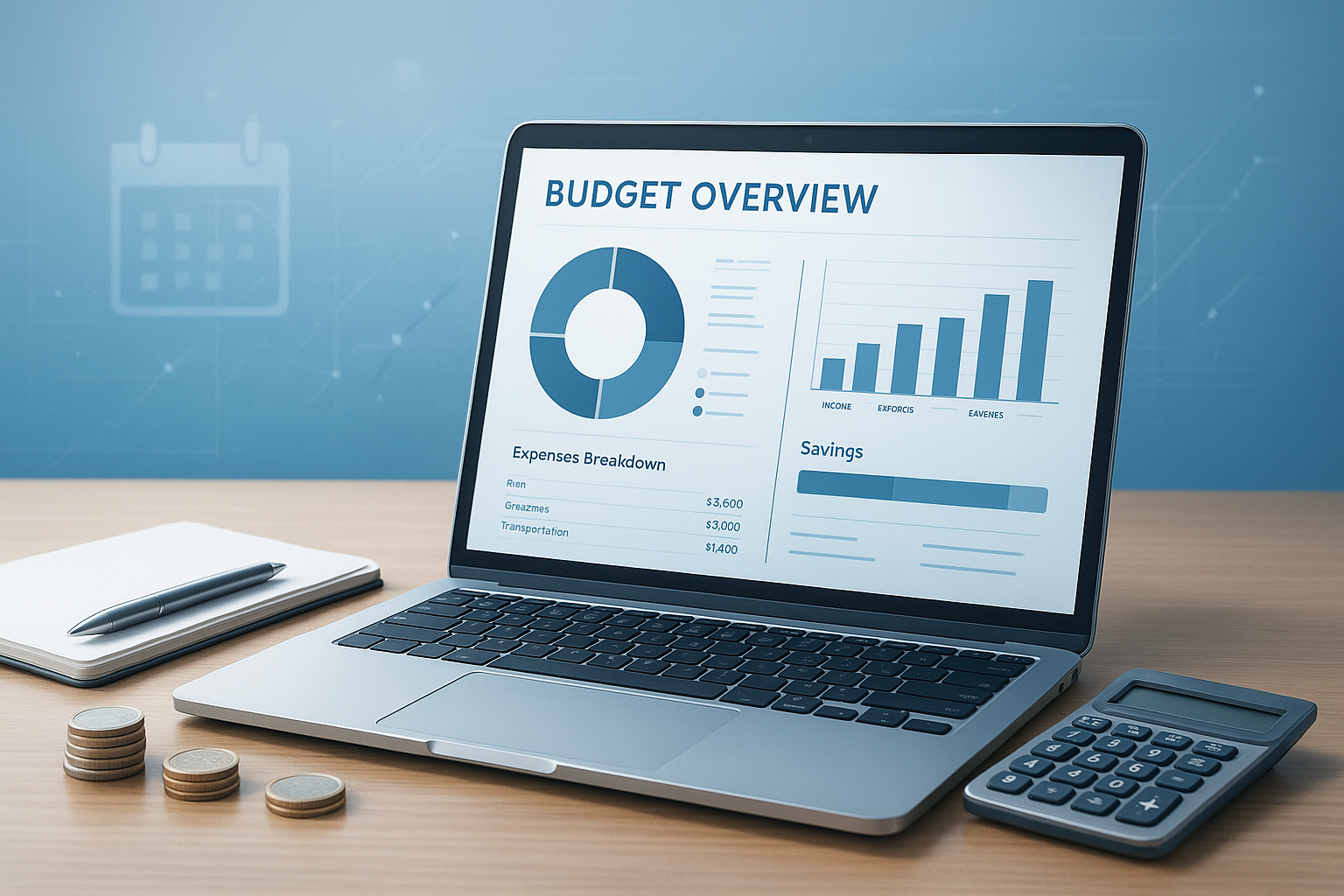
A budget works better when you can see progress clearly. A budget planner for monthly cash flow can help you map income, expenses, and your savings target in one place.
That visibility matters. When you can see the gap between where you are and where you want to be, better decisions come faster.
How long will it take to build an emergency fund?
The timeline depends on your target amount and monthly contribution.
| Emergency fund target | Monthly savings | Estimated time |
|---|---|---|
| 60,000 | 5,000 | 12 months |
| 120,000 | 10,000 | 12 months |
| 180,000 | 7,500 | 24 months |
| 240,000 | 10,000 | 24 months |
If you want to test different timeframes and contribution amounts, a savings calculator for goal planning can make the math easier.
This small detail changes everything: your first goal does not need to be the full amount.
A smart approach is to build in stages:
- First 10,000 to 25,000 for minor emergencies
- Then one month of essential expenses
- Then three months
- Then expand further if needed
That makes the process less overwhelming and gives you protection earlier.
Where should you keep your emergency fund?
Your emergency fund should be safe, accessible, and separate from your daily spending account.
Good options often include:
- High-interest savings account
- Sweep-in savings account
- Short-term liquid fund if access is easy and risk is low
- Cash reserve linked to your bank for fast withdrawal
Avoid placing your emergency fund in assets that can drop in value when you need the money.
That means it usually should not sit in:
- Stocks
- Long lock-in investments
- Retirement accounts
- Property
- Risky crypto assets
Emergency savings are not meant to maximize returns. They are meant to protect you when time matters.
Emergency fund vs regular savings: what is the difference?
Many people combine everything into one savings bucket. That creates confusion and makes it easier to use emergency money for non-emergencies.
| Type of savings | Purpose | When to use it |
|---|---|---|
| Emergency fund | Unexpected urgent costs | Only during real emergencies |
| Regular savings | Planned goals | Travel, gadgets, festivals, annual spending |
| Long-term investing | Future wealth growth | Retirement, education, major future goals |
Keeping these categories separate helps you protect your financial progress.
How does debt affect your emergency fund plan?
Here’s what many people ask: should you save an emergency fund first or pay off debt first?
The best answer is usually a balanced one.
If you have high-interest debt, do not ignore it. But also do not leave yourself with zero cash buffer. That often leads to more borrowing when the next surprise bill shows up.
A practical strategy looks like this:
- Build a small starter emergency fund first
- Continue minimum debt payments
- Direct extra cash toward high-interest debt
- Expand the emergency fund after expensive debt is under control
If you are managing loan repayments, an EMI and loan calculator can help you understand how much room debt takes in your monthly budget.
What percentage of income should go to an emergency fund?
There is no single perfect number, but these ranges are useful:
- 5 percent if your budget is very tight
- 10 percent if you want a steady pace
- 15 to 20 percent if you have a short timeline or unstable income
If you receive bonuses, tax refunds, incentives, or freelance side income, consider sending part of that money directly to your emergency fund. Lump sums can speed up progress without making your monthly budget feel restrictive.
Common mistakes that slow down emergency savings
Most people do not fail because they cannot save. They fail because the plan is unclear or unrealistic.
Saving without a target
If you do not know your goal, it is hard to stay motivated. A specific number gives direction.
Keeping the money too easy to spend
If your emergency fund sits in the same account as daily spending, it can disappear quietly.
Calling every expense an emergency
Annual insurance, holiday shopping, and school admissions are not emergencies if they are predictable.
Trying to save too much too fast
A very aggressive target can break your budget and lead to giving up entirely.
Ignoring inflation and lifestyle changes
If rent, family size, or fixed obligations rise, your emergency fund target may need an update.
What counts as a real emergency?
This question matters because the wrong definition can undo months of effort.
A real emergency usually meets three conditions:
- It is unexpected
- It is necessary
- It is urgent
Examples of true emergencies:
- Emergency dental treatment
- A broken appliance you truly need
- Sudden travel due to a family crisis
- A job loss that affects bill payments
Examples that usually are not emergencies:
- Festival shopping
- Upgrading your phone
- Discount sales
- Routine car servicing
- Planned home improvements
How to rebuild your emergency fund after using it
Using your emergency fund is not failure. That is what the money is for.
What matters is how quickly you rebuild it.
- Pause non-essential savings goals temporarily if needed.
- Set a fresh monthly replenishment target.
- Use any extra income to refill the fund faster.
- Review what caused the emergency and whether insurance or planning gaps can be improved.
If the emergency was large, do not panic. Return to the same steady process that helped you build it the first time.
Budgeting methods that work well for emergency savings
You do not need a complicated system. You need one you can follow.
Zero-based budgeting
Every unit of income gets a job. This method works well if you want maximum control and detail.
50/30/20 budgeting
A simple model where money is split into needs, wants, and savings or debt repayment. Emergency savings often falls into the savings portion.
Pay yourself first
You move money to savings before spending on optional categories. This is one of the easiest ways to make steady progress.
| Budgeting method | Best for | Challenge |
|---|---|---|
| Zero-based budget | People who want full control | Takes more monthly effort |
| 50/30/20 rule | Beginners who want simplicity | May be too broad for tight budgets |
| Pay yourself first | People who struggle to save consistently | Requires automation and discipline |
Best practices for building an emergency fund faster
- Start before you feel fully ready
- Use a separate savings account
- Automate transfers
- Increase savings after salary raises
- Save part of all windfalls
- Review your target every 6 to 12 months
- Reduce small repeat expenses before cutting essentials
- Keep the goal visible
Emergency fund guide for different life stages
For students and first-job earners
Start small. Even one month of expenses can make a huge difference. Focus on building the habit first.
For families
Plan for more uncertainty. Children, healthcare, housing, and education costs increase the need for a stronger buffer.
For freelancers and self-employed workers
Income swings make emergency savings even more important. Aim for a larger fund and base your monthly budget on your lowest average months.
For people near retirement
Preserving liquidity becomes more important. A healthy cash reserve reduces the need to sell long-term assets at the wrong time.
Frequently Asked Questions
How much emergency fund should I have before investing?
Most people should build at least a basic emergency fund before investing heavily. A small cash buffer helps you avoid selling investments early when an urgent expense appears.
Is 1 month of expenses enough for an emergency fund?
It is a good starting point, but usually not enough for full protection. One month helps with small shocks. Three to six months offers stronger security.
Should I keep my emergency fund in cash at home?
Only a small amount if needed for immediate access. Most of your emergency fund is safer in a secure bank account where it is protected and easier to track.
Can I use my emergency fund to pay off credit card debt?
Usually no, unless the debt situation itself has become urgent and unavoidable. Emergency funds should stay available for unexpected essential expenses.
What if I have irregular income?
Use a lower average income estimate and aim for a larger emergency fund, often six months or more of essential expenses.
How often should I review my emergency fund target?
At least once or twice a year, or anytime your rent, family size, job situation, or fixed obligations change.
Should couples have one emergency fund or separate ones?
Either can work. Many couples keep a shared household emergency fund and may also maintain some personal reserves depending on how finances are managed.
What is better: paying extra on loans or saving more for emergencies?
If you have no cash buffer at all, build a starter emergency fund first. After that, balance debt repayment with continued savings.
Final thoughts
An emergency fund is not just a savings goal. It is a stability tool. It protects your budget, reduces financial stress, and gives you better options when life gets expensive without warning.
The best emergency fund plan is not the most ambitious one. It is the one you can actually maintain. Start with your essential expenses. Set a realistic target. Build your budget around steady monthly contributions. Then let time and consistency do the heavy lifting.
If you begin with a clear plan today, even a small amount can grow into real financial protection faster than you think.