
Have you ever checked the exchange rate online, then ended up with less money than expected when you actually paid? That gap is where banks, airport kiosks, and card issuers quietly make their money.
Most people focus on the headline rate and ignore the fees hidden around it. That is usually the mistake. A rate can look competitive while the total cost is still poor once markups, ATM charges, and foreign transaction fees are added.
If you want better currency exchange rates and lower fees, a few small decisions make a big difference. In this guide, you will learn how exchange rates work, where extra charges show up, when to exchange money, and how to compare options before you travel or send money abroad.
What does a good currency exchange rate actually mean?
A good exchange rate is not just the number you see on Google. It is the amount you receive after every fee, markup, and service charge has been deducted.
Here is the important part. The rate shown on financial websites is usually the mid-market rate. This is the benchmark rate used between banks. Regular travelers and consumers rarely get that exact rate.
Instead, providers often add a margin. That margin is their profit. Some charge a visible fee. Others advertise “zero commission” and build the cost into a worse exchange rate.
To compare providers properly, you need to look at the total landed cost.
Mid-market rate vs customer rate
| Type of rate | What it means | What you should know |
|---|---|---|
| Mid-market rate | The live market rate between major financial institutions | Useful as a benchmark, but often not the rate consumers receive |
| Customer exchange rate | The rate offered by a bank, app, exchange booth, or card network | Usually includes a markup or spread |
| Effective rate | The final rate after all fees are included | This is the number worth comparing |
A simple way to check value is to compare your offered rate with the live market rate using a reliable currency converter. That gives you a quick reference point before you exchange anything.
Why do people lose money on currency exchange?
Here’s the problem. Losses usually happen in small pieces, not one big charge. A 3 percent markup here, an ATM fee there, and a dynamic conversion prompt at checkout can quickly add up.
This is where many people struggle. They compare only one part of the transaction and miss the rest.
- Exchange rate markup
- Flat service fees
- Foreign transaction fees on cards
- ATM operator charges
- Bank ATM withdrawal fees
- Dynamic currency conversion at card terminals
- Poor rates at airports, hotels, and tourist zones
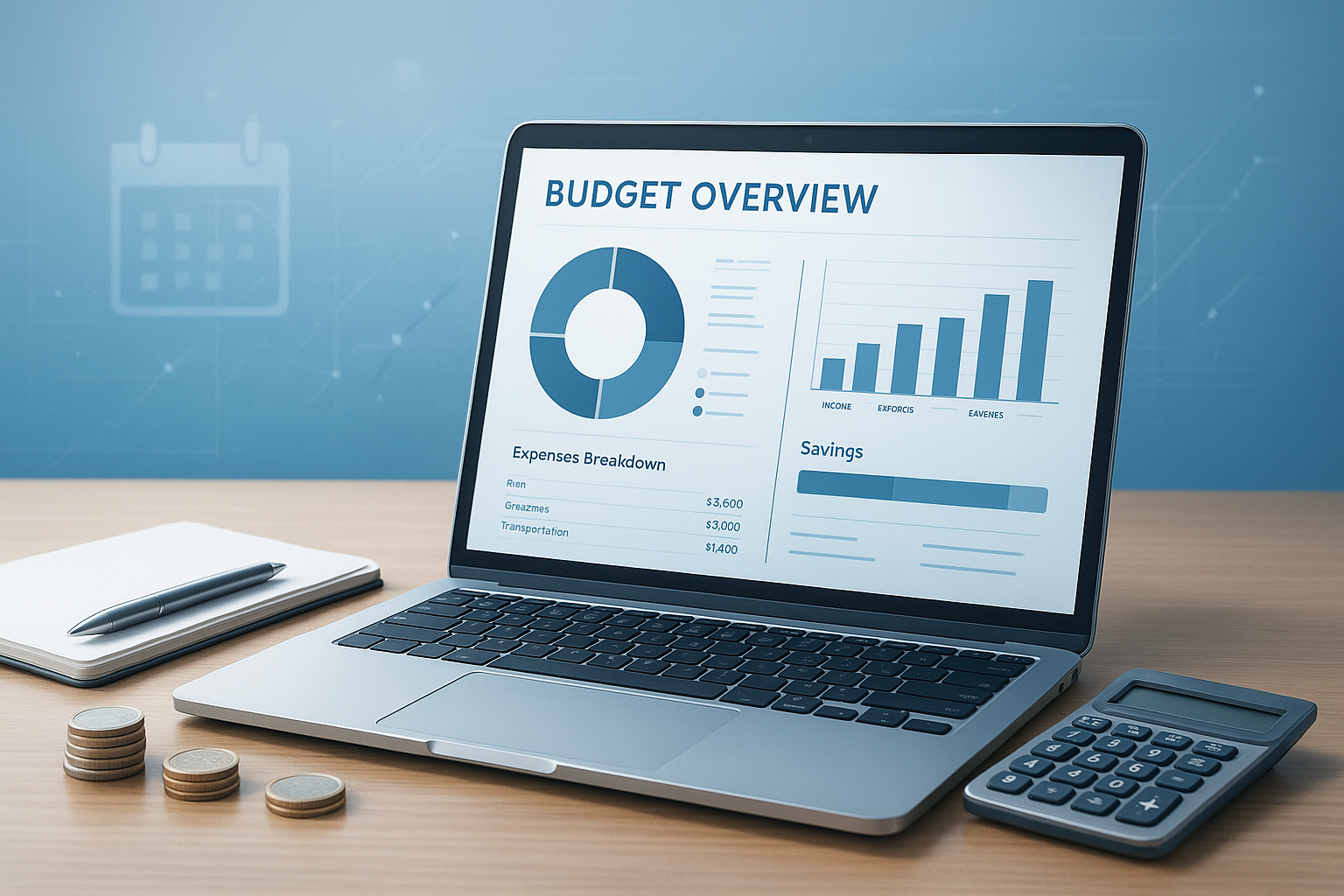
If you are planning a travel budget, these costs should be included from the start. A simple budget planner can help you estimate how much currency-related friction affects your total trip spend.
Where can you usually get the best exchange rates?
The answer depends on one thing. Are you spending with a card, withdrawing cash, or exchanging physical money?
Different methods have different cost structures. The cheapest choice for one situation may be expensive in another.
| Option | Typical value | Best for | Watch out for |
|---|---|---|---|
| Debit or credit card with no foreign transaction fee | Often very good | Everyday purchases abroad | Dynamic currency conversion prompts |
| Bank ATM withdrawal in local currency | Can be good | Getting cash after arrival | ATM operator fees and bank charges |
| Online multi-currency service | Often competitive | Travel spending and transfers | Weekend markups or transfer fees |
| Local bank branch | Moderate | Pre-trip cash exchange | Service fees and limited currency stock |
| Airport exchange counter | Usually poor | Emergency cash only | Wide spreads and high fees |
| Hotel exchange desk | Usually poor | Last resort | Convenience priced heavily |
In many cases, paying by card in the local currency is one of the cheapest options if your card does not charge foreign transaction fees. For cash, using a bank ATM after arrival can be better than buying large amounts at the airport before departure.
Should you exchange money before your trip or after arrival?
There is no single rule, but here is what experienced travelers do differently. They separate convenience money from main travel money.
Carry a small amount of local cash before departure if you need it for transport, tips, or immediate arrivals. Exchange the rest using better-value methods once you reach your destination.
A practical approach
- Check the live market rate a few days before travel.
- Exchange only a small starter amount if needed.
- Use a low-fee card for most purchases.
- Withdraw extra cash from a reputable ATM in local currency after arrival.
- Avoid exchanging large amounts at airports unless there is no alternative.
This small detail changes everything. You stop overpaying for convenience and keep flexibility if rates move.
How do exchange fees really work?
Many providers make pricing hard to compare. One may show a great rate with a high fixed fee. Another may charge no fee but offer a much worse rate.
Now comes the important part. You should calculate the total amount you receive, not just the visible charge.
The three main costs to check
- Spread: The difference between the market rate and the rate offered to you.
- Fixed fee: A flat charge per transaction.
- Percentage fee: A fee based on transaction size.
If you want to measure how much a markup changes the final amount, a percentage calculator is useful for quick comparisons. Even a 2 percent difference can be significant on larger exchanges.
Example of a misleading “zero fee” offer
| Provider | Advertised fee | Offered rate | Total value |
|---|---|---|---|
| Provider A | Zero fee | Rate includes 4 percent markup | Often worse overall |
| Provider B | Small flat fee | Rate close to mid-market | May leave you with more money |
Always ask one question: “How much local currency will I receive after all charges?” That is the clearest comparison.
What is dynamic currency conversion and why should you avoid it?
Dynamic currency conversion happens when an ATM, payment terminal, or merchant asks if you want to pay in your home currency instead of the local one.
It sounds helpful. It usually is not.
When you choose your home currency, the merchant or ATM provider often applies its own exchange rate, and that rate is commonly worse than your bank or card network would use.
Best practice
- At restaurants, shops, and hotels, choose the local currency.
- At ATMs, decline the provider’s conversion if offered.
- Check your card statement afterward to understand your actual card rate and fees.
This is one of the easiest ways to avoid hidden exchange costs.
How can you compare exchange options properly?
Let’s break this down. Good comparison means using the same amount, the same time, and the same destination currency across all options.
Use this 5-step comparison method
- Look up the current mid-market rate.
- Check the rate your provider offers.
- Add all visible fees.
- Include hidden costs like ATM charges or foreign transaction fees.
- Compare the final amount you will receive or spend.
If you are comparing the total impact on your travel spending, a price and cost calculator can help you model final costs across different exchange methods.
When is the best time to exchange currency?
Many people wait until the last minute. That usually reduces your choices and increases your costs.
You do not need to predict the market perfectly. You only need a sensible window and a plan.
Smarter timing tips
- Monitor rates for a few days or weeks before a large exchange.
- Avoid panic exchanging at airports or hotels.
- Break larger exchanges into smaller amounts if rates are volatile.
- Exchange earlier if your travel date is fixed and the current rate is acceptable.
- Do not delay purely to chase a tiny improvement if fees may erase the gain.
Here’s what experienced professionals do differently. They focus on total cost and timing discipline, not market guessing.
Are credit cards or cash better for foreign spending?
The answer depends on where you are traveling and how you spend. But in many countries, cards now offer strong value for routine purchases.
| Payment method | Main advantage | Main drawback |
|---|---|---|
| Credit card | Convenient and often secure | May include foreign transaction fees |
| Debit card | Useful for ATM access and direct spending | Bank withdrawal fees may apply |
| Cash | Accepted in small shops and tips | Risk of poor exchange rates and carrying loss |
| Multi-currency wallet | Can lock rates or reduce conversion friction | May have top-up or withdrawal limits |
A balanced approach usually works best:
- Use a low-fee card for most purchases.
- Carry some local cash for small expenses.
- Keep a backup card in case one fails.
- Tell your bank you are traveling if needed.
How much foreign cash should you carry?
This is where many people either carry too much or too little. Carrying large amounts increases risk. Carrying none can create problems in places where small cash payments are common.
A practical amount is enough for your first day or two plus emergencies. Think airport transfer, food, tips, and one or two local purchases.
Your ideal amount depends on:
- Whether taxis and transit accept cards
- How common cash is in your destination
- Your arrival time
- ATM access near your hotel or accommodation
- Local habits for tipping and markets
What mistakes should you avoid when exchanging currency?
Most expensive mistakes are predictable. Once you know them, they are easy to avoid.
- Exchanging all your money at the airport
- Choosing your home currency at checkout
- Ignoring card foreign transaction fees
- Using the first ATM you see in a tourist area
- Comparing rates without including service charges
- Waiting until the last minute
- Carrying too much cash
- Failing to check if your bank refunds ATM fees
How can travelers and online shoppers reduce currency costs?
Travelers are not the only ones affected. Online shopping from foreign retailers also comes with exchange costs. The same rules apply.
For travelers
- Use cards with no foreign transaction fee if possible.
- Withdraw larger, less frequent ATM amounts if your bank charges per withdrawal.
- Avoid exchanging money in highly convenient locations.
- Track rates before departure.
For online shoppers
- Pay in the seller’s local currency when your card offers better conversion.
- Check whether the site adds an international processing fee.
- Compare the final checkout value on different payment methods.
- Review refund policies because exchange losses can affect returns too.
What if you are exchanging a large amount of money?
If the amount is large, small differences matter more. A 1 to 3 percent gap can mean a meaningful loss.
For larger exchanges, take a more careful approach:
- Compare several providers on the same day.
- Ask for the exact final payout amount.
- Check whether higher amounts unlock better rates.
- Confirm transfer speed if timing matters.
- Review cancellation or revision fees.
If you are evaluating how much a small rate change affects a big transfer, it helps to price the scenario before acting. For people making major purchases overseas or planning cross-border payments, running the numbers can prevent expensive mistakes.
Quick checklist for getting better rates and lower fees
- Check the mid-market rate first
- Compare the final amount received, not just the fee
- Use local currency when paying abroad
- Avoid airport and hotel exchanges when possible
- Use low-fee cards for purchases
- Withdraw cash from reputable ATMs
- Carry only a reasonable amount of cash
- Plan ahead instead of exchanging in a rush
Frequently Asked Questions
What is the cheapest way to exchange currency?
For many people, the cheapest method is using a card with no foreign transaction fee for purchases and withdrawing limited cash from a bank ATM in local currency. The best choice still depends on your bank fees and destination.
Is it better to exchange money at the airport?
Usually no. Airport exchange counters often offer weaker rates and higher markups because they charge for convenience.
Should I pay in local currency or my home currency when abroad?
Pay in local currency in most cases. Choosing your home currency often triggers dynamic currency conversion, which typically uses a worse rate.
How much cash should I exchange before traveling?
Usually just enough for immediate arrival needs and emergencies. For many trips, that means transport, snacks, and small purchases for the first day.
Do banks offer better exchange rates than exchange booths?
Often yes, but not always. Banks can be better than tourist-area booths, though some online services and cards may still offer stronger value overall.
How can I tell if an exchange rate is fair?
Compare it with the current mid-market rate, then include all fees. A fair offer is one with a small markup and transparent charges.
Are “zero commission” currency exchanges a good deal?
Not necessarily. Many zero-commission offers recover their profit through a weaker exchange rate.
When should I exchange a large amount of currency?
If rates are acceptable and your need is certain, avoid waiting until the last minute. Compare providers and consider splitting the transaction if the market is volatile.
Can ATM withdrawals abroad be cheaper than exchanging cash?
Yes, they can be. But the outcome depends on your bank’s withdrawal fee, the ATM operator fee, and whether you decline the ATM’s own conversion offer.
Final thoughts
Getting better currency exchange rates is not about hunting for a perfect deal. It is about avoiding the common traps that quietly increase your costs.
Check the benchmark rate. Compare the final amount. Use local currency when paying. Avoid high-convenience exchange points. Plan before your trip instead of during it.
Those simple habits will usually save more money than trying to guess short-term market moves. And once you know where the fees hide, making smarter currency decisions becomes much easier.